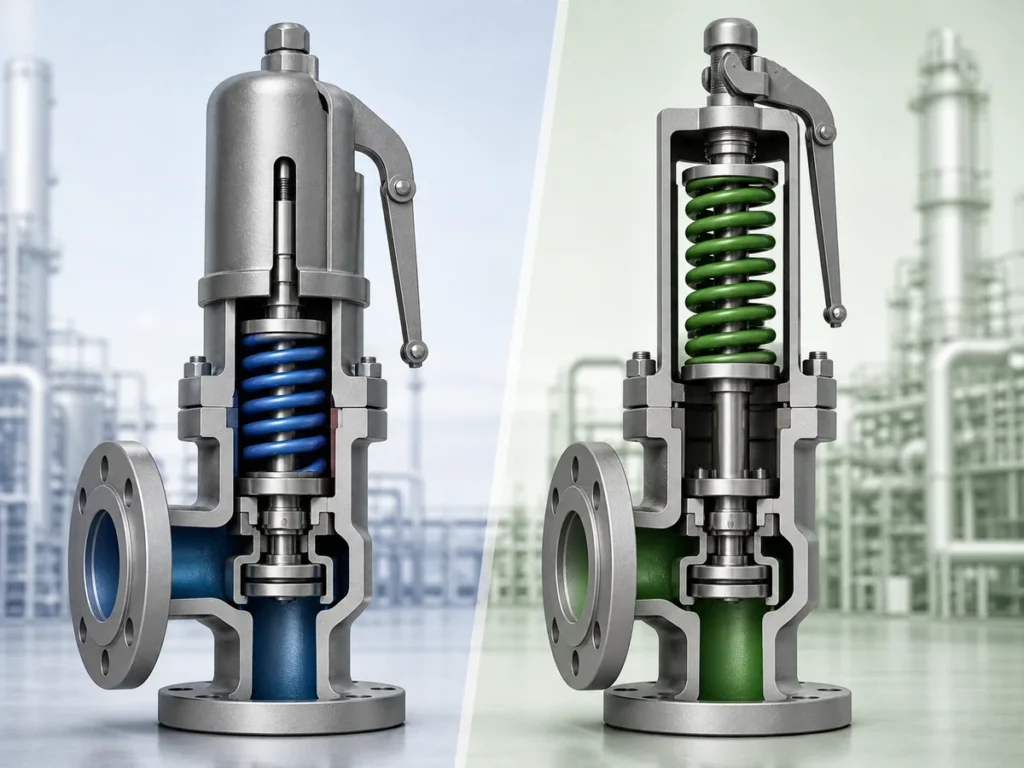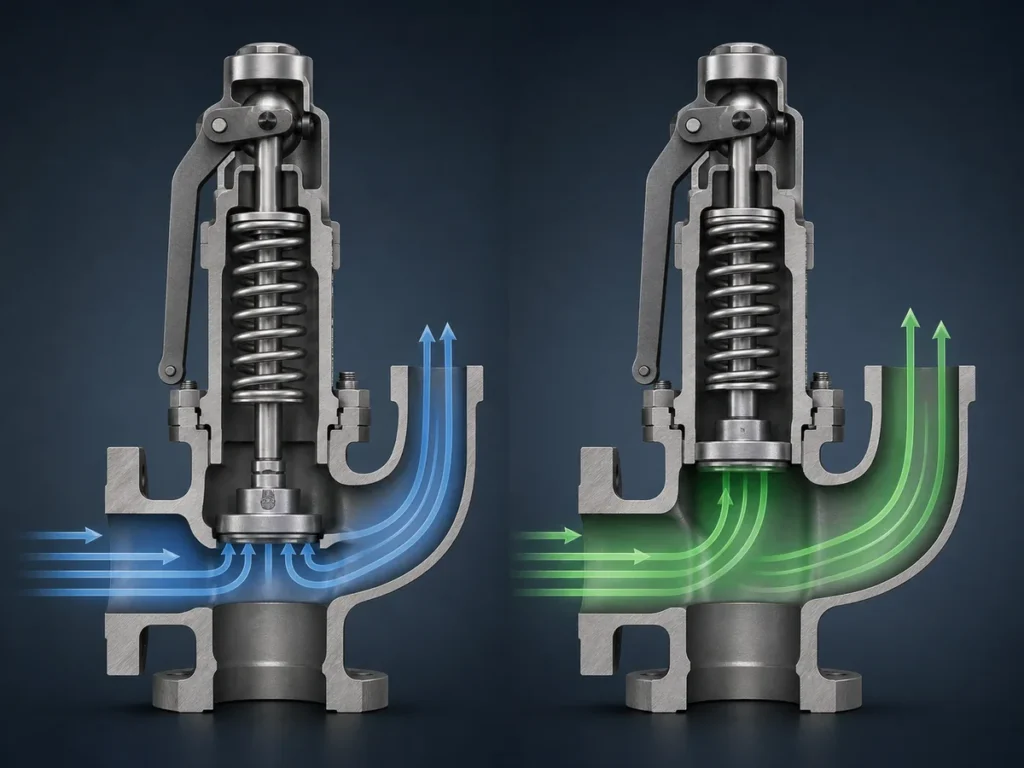
دليل صمام الأمان للوسائط المسببة للتآكل ما هو صمام الأمان المقاوم للتآكل؟ المواد والحدود وفحوصات الاختيار صمام الأمان المقاوم للتآكل هو جهاز لتنفيس الضغط يتم اختيار حدوده الخارجية وأجزائه الداخلية المبللة وأجزائه الوظيفية المكشوفة لوسط أو بيئة مسببة للتآكل محددة. إنه ليس مجرد صمام من الفولاذ المقاوم للصدأ. تكوين الوسط وتركيزه ومرحلته والملوثات ودرجة الحرارة العادية ودرجة حرارة التنفيس والضغط وخطر التكثف والغلاف الخارجي ونظام التفريغ تحدد المواد وتفاصيل البناء التي تتطلب مراجعة. يجب أن تشمل مقاومة التآكل الأجزاء التي تتحكم في الفتح والتدفق والتوجيه وإعادة الجلوس - وليس فقط الجسم. يجب أن يظل الصمام لديه ضغط الضبط الصحيح، وقدرة التنفيس الموثقة، وتصنيف الضغط ودرجة الحرارة، واستجابة الضغط الخلفي والتركيب. لا يمكن لملصق المواد أو حجم الفلنجة أو الطلاء إثبات ملاءمة التطبيق؛ يتطلب الاختيار النهائي بيانات الشركة المصنعة الخاصة بالنموذج والمعيار المعتمد للمشروع وصحيفة بيانات خدمة كاملة.

ما هو صمام الأمان المقاوم للتآكل؟ المواد والحدود وفحوصات الاختيار
صمام الأمان المقاوم للتآكل هو جهاز لتنفيس الضغط يتم اختيار حدوده الخارجية وأجزائه الداخلية المبللة وأجزائه الوظيفية المكشوفة لوسط أو بيئة مسببة للتآكل محددة. إنه ليس مجرد صمام من الفولاذ المقاوم للصدأ. تكوين الوسط وتركيزه ومرحلته والملوثات ودرجة الحرارة العادية ودرجة حرارة التنفيس والضغط وخطر التكثف والغلاف الخارجي ونظام التفريغ تحدد المواد وتفاصيل البناء التي تتطلب مراجعة. يجب أن تشمل مقاومة التآكل الأجزاء التي تتحكم في الفتح والتدفق والتوجيه وإعادة الجلوس - وليس فقط الجسم. يجب أن يظل الصمام لديه ضغط الضبط الصحيح، وقدرة التنفيس الموثقة، وتصنيف الضغط ودرجة الحرارة، واستجابة الضغط الخلفي والتركيب. لا يمكن لملصق المواد أو حجم الفلنجة أو الطلاء إثبات ملاءمة التطبيق؛ يتطلب الاختيار النهائي بيانات الشركة المصنعة الخاصة بالنموذج والمعيار المعتمد للمشروع وصحيفة بيانات خدمة كاملة.
حدود الصفحة: تشرح صفحة التعريف هذه ما يعنيه “صمام الأمان المقاوم للتآكل” وأي الفحوصات الهندسية تجعل هذا الوصف موثوقًا. لا تقدم مخطط توافق كيميائي عالمي، أو تقوم بحسابات التنفيس، أو تعد بدرجة مادة، أو تحل محل صحيفة بيانات خاصة بالنموذج والموافقة على المشروع.
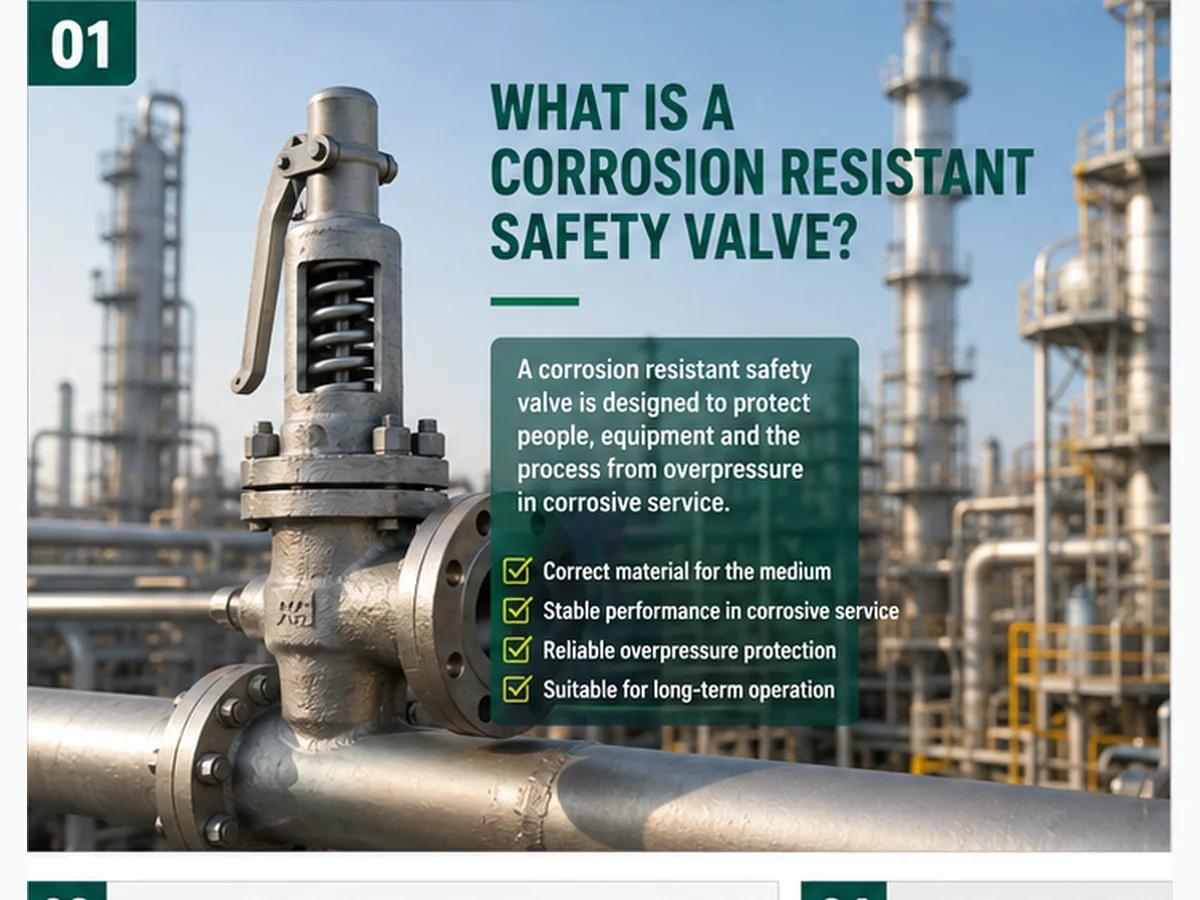
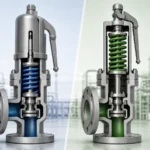
صورة مفهوم صناعي؛ يجب تأكيد ملاءمة المواد النهائية وتفاصيل المنتج مقابل صحيفة بيانات الصمام المحددة ومواصفات المشروع.
إجابة سريعة
يتم اختيار صمام الأمان المقاوم للتآكل لسائل أو بيئة مسببة للتآكل محددة، مع فحص توافق المواد عبر حدود الضغط، والتشذيب، وأجزاء التوجيه، وغرفة الزنبرك، والمنفاخ، والحشيات، ومسار التفريغ. لا يعتبر الفولاذ المقاوم للصدأ وحده دليلاً على التوافق. يجب أن يلبي الصمام أيضًا ضغط الضبط المطلوب، وقدرة التنفيس، ودرجة الحرارة، والضغط الخلفي، والتركيب، والأساس التوثيقي.
- حدد الوسط الدقيق والتركيز والمرحلة والملوثات ودرجة حرارة التنفيس.
- راجع كل مكون مبلل أو وظيفي مكشوف، وليس فقط الجسم.
- افصل بين ملاءمة المواد وقدرة التنفيس المطلوبة والموثقة/المصنفة.
- تحقق من الضغط الخلفي للمخرج، والتصريف، وتعرض غرفة الزنبرك، وأحمال الأنابيب.
- استخدم صحيفة بيانات النموذج المختار والإصدار المعتمد للمشروع للموافقة النهائية.
ما هو صمام الأمان المقاوم للتآكل؟
التعريف الهندسي
صمام الأمان المقاوم للتآكل هو صمام أمان يتم اختيار مواده وتصنيعه بحيث لا يمنع التآكل أو التكسير البيئي أو الترسبات أو الهجوم الكيميائي الجهاز من الفتح والرفع والتفريغ والتوجيه وإعادة الجلوس والبقاء محكم الضغط للخدمة المحددة. اعتمادًا على التعرض، قد يستخدم التصميم أجزاء ضغط من الفولاذ المقاوم للصدأ أو سبائك النيكل، وتشذيب مقاوم للتآكل، ومقاعد معدنية متوافقة أو لينة، وبناء غرفة زنبرك محمي، ومنفاخ، وحشيات مناسبة، وحماية خارجية من التآكل.
يظل جهازًا للحماية من الضغط الزائد. يجب أن يفتح الصمام المختار وفقًا لخصائص الفتح المحددة له، وأن يمرر حمل التنفيس المطلوب على أساس المائع المحدد، وأن يعيد الغلق ضمن متطلبات التصميم والمشروع المعمول بها. أسماء عائلات المنتجات لا تحل محل ورقة بيانات النموذج المختار. لتسلسل القرار الأوسع، استخدم دليل اختيار صمامات الأمان.
حدود المصطلحات: صمام أمان، صمام تنفيس، PSV، PRV، SRV
تختلف المصطلحات حسب عائلة الكود والصناعة. يمكن استخدام “صمام تنفيس الضغط” كفئة جهاز واسعة، بينما قد تصف “صمام الأمان” و “صمام التنفيس” و “صمام الأمان والتنفيس” خصائص فتح مختلفة أو تطبيقات سوائل مختلفة. PSV و SRV هي اختصارات شائعة للمشاريع. PRV غامض لأنه يمكن أن يعني أيضًا صمام تخفيض الضغط. الاسم وحده لا يمكنه تحديد أساس المائع، أو إجراء الفتح المفاجئ أو التدريجي، أو السعة المعتمدة، أو علامة الكود، أو الملاءمة؛ يجب أن تأتي هذه النقاط من ورقة بيانات الصمام والمعيار المطبق.
ما الذي يحميه
قد تحمي هذه الصمامات المفاعلات، أوعية الضغط، المبادلات الحرارية، الفواصل، أنظمة الغاز الرطب، معدات تخزين أو نقل المواد الكيميائية، أجهزة الغسل، خطوط الأنابيب والأنظمة المعبأة. يبدأ الاختيار بالحدود المضغوطة المحمية وسيناريو التنفيس الحاكم، لأن تلك تحدد السعة المطلوبة، طور المائع، درجة حرارة التنفيس، وحالة التفريغ.
ما لا يعنيه مصطلح “مقاوم للتآكل” تلقائيًا
“مقاوم للتآكل” لا يعني أنه مناسب لكل حمض، قلوي، سائل يحتوي على الكلوريد، مذيب، غاز حامض، بخار رطب، جو مياه البحر، أو عملية مختلطة الطور. لا يعني أن مادة الجسم تحمي الفوهة، القرص، الدليل، الجذع، النابض، المنفاخ، الحشية، الحلقة المطاطية، المسامير، أو نظام المخرج. كما أنه لا يثبت تصنيف الضغط، إحكام الغلق، سعة التنفيس، شهادة الكود، أو نطاق الفحص.
حدود الاختيار: توافق المواد هو مؤهل مستقل واحد. يجب التحقق بشكل منفصل من السعة، ضغط الضبط، هامش التشغيل، تصنيف الضغط ودرجة الحرارة، الضغط الخلفي، التركيب، والتوثيق. قد يقاوم الصمام الوسط ومع ذلك يكون صغير الحجم، غير مستقر، أو غير مقبول للمشروع.
| البند | المعنى العملي |
|---|---|
| الوظيفة الرئيسية | حماية تلقائية من الضغط الزائد لخدمة محددة مسببة للتآكل أو ذات مخاطر تآكل. |
| الحالة الطبيعية | مغلق ومحكم الغلق وفقًا لأساس القبول المحدد خلال التشغيل العادي. |
| أساس الفتح | ضغط الضبط المحدد وخصائص الفتح في ظل ظروف الاختبار والخدمة المعمول بها. |
| أساس مراجعة التآكل | التركيب الفعلي، التركيز، الطور، الملوثات، درجة الحرارة العادية ودرجة حرارة التنفيس، الضغط، التكثيف، والتعرض الخارجي. |
| مخاطر الاختيار الرئيسية | معاملة اسم مادة عام كدليل على توافق المكون، السعة، الاستقرار، والتوثيق. |
لماذا تؤثر الخدمة المسببة للتآكل على اختيار صمام الأمان
يمكن للتآكل أن يعطل حدود الضغط أو آلية التشغيل
يمكن للتآكل أن يخفف أو يكسر الجسم والغطاء، ويحدث تآكلًا في الفوهة والقرص، ويزيد من احتكاك الدليل أو المحور، ويضعف النابض، ويخترق المنفاخ، ويؤثر على الحشية أو حلقة O، ويطمس لوحة الاسم، ويتلف أنابيب الدخول أو الخروج. صمام الأمان هو جهاز ديناميكي: الهجوم الموضعي على سطح توجيه أو إحكام يمكن أن يكون أكثر أهمية من فقدان الجدار المنتظم في مكان آخر.
تتحكم التركيبة، والطور المبلل، والملوثات، ودرجة حرارة التنفيس في سلوك المادة
يجب تقييم التوافق في الظروف التي يراها المكون بالفعل. يمكن للغاز الجاف أن يصبح رطبًا أثناء التبريد؛ يمكن أن يتكثف البخار في الغطاء أو خط التفريغ؛ يمكن أن تتركز الكلوريدات في الرواسب؛ يمكن للمواد الكيميائية للتنظيف أن تخلق تعرضًا مختلفًا عن سائل العملية. يمكن لدرجة حرارة التشغيل والتنفيس تغيير معدل التآكل، وحدود المقاعد اللينة، وسلوك الحشية، وتصنيف الضغط المسموح به. تأكيد الصمام المحدد مقابل المطبق تصنيفات الضغط ودرجة الحرارة.
يمكن لمنتجات التآكل أن تسبب تسربًا، أو التصاقًا، أو رفعًا غير مستقر، أو إعادة إغلاق سيئة
يمكن أن تظل حدود الضغط سليمة ظاهريًا بينما تتداخل الرواسب، أو التبلور، أو البلمرة، أو منتجات التآكل مع حركة القرص وملامسة المقعد. قد يكون العرض الناتج هو التسرب، أو التأخر في الفتح، أو الرفع المقيد، أو الرفرفة، أو الثرثرة، أو الفشل في إعادة الإغلاق. العرض لا يحدد السبب الجذري بنفسه؛ يجب مراجعة الأدلة المادية، وسجل التشغيل، وبيانات الأنابيب، ونتائج الفحص معًا.
سيناريو هندسي مركب: تحدد ورقة بيانات الغاز الجاف بناء هيكل من الفولاذ المقاوم للصدأ، ولكن خط التشغيل يبرد بشكل دوري إلى ما دون نقطة تكثف الغاز الحمضي. يصل التكثف إلى الدليل وجيب المخرج، مما ينتج عنه رواسب وهجوم موضعي. المشكلة الملاحظة هي الالتصاق بعد الإغلاق. التصحيح هو تحديد حالة الترطيب، ومراجعة جميع الأجزاء المكشوفة والصرف، واختيار المواد باستخدام كيمياء التكثف الفعلية. التحكم الوقائي هو تضمين ظروف نقطة التكثف وظروف البدء/الإيقاف في طلب عرض السعر (RFQ). هذا سيناريو تدريبي، وليس سجل عميل.
لـ H2خدمة إنتاج النفط والغاز المحتوية على كبريت أو تحلية الغاز الطبيعي، قد تكون ISO 15156 / NACE MR0175 ذات صلة باختيار المواد المعدنية المقاومة للتشقق. وهي تكمل، بدلاً من أن تحل محل، كود التصميم المطبق. لا ينبغي إضافتها إلى كل طلب عرض سعر للخدمات الكيميائية أو التعامل معها كمعيار عام للتوافق مع الأحماض أو الكلوريدات أو التكرير اللاحق.
استخدم ISO 15156 / NACE MR0175 فقط للخدمات التي تقع ضمن نطاقها
| عامل الخدمة | لماذا يغير الاختيار | ما يجب تأكيده |
|---|---|---|
| الوسائط الحمضية أو القلوية | يمكن أن تؤثر على الأجزاء تحت الضغط، والتشذيب، والمقاعد، والحشيات؛ يتغير سلوك التآكل مع التركيز ودرجة الحرارة. | التركيب، نطاق التركيز، الملوثات، الطور، درجة حرارة التشغيل والتنفيس. |
| الكلوريدات أو التعرض البحري | يمكن أن تعزز التآكل الموضعي أو التشقق البيئي في المواد والظروف المعرضة لذلك. | مصدر الكلوريد، التعرض الرطب/الجاف، درجة الحرارة، الترسبات، الشقوق، الغسيل والغلاف الجوي الخارجي. |
| غاز رطب أو بخار أكّال | يمكن أن يؤدي التكثيف إلى كشف الأجزاء التي لا تتعرض للبلل أثناء التشغيل المستقر العادي. | نقطة الندى، ظروف البدء/الإيقاف، كيمياء التكثيف، الصرف وتوجيه المخرج. |
| وسائط متسخة، متبلورة أو بوليمرية | قد تسد الترسبات مسار التدفق، أو تزيد الاحتكاك، أو تتلف المقعد. | المواد الصلبة، اللزوجة، ميل التبلور/البلمرة، طريقة التنظيف وتاريخ الصيانة. |
| درجة حرارة تخفيف عالية أو منخفضة | يمكن أن تغير آلية التآكل، والخصائص الميكانيكية، وسلوك النابض وحدود الختم. | درجة الحرارة العادية، ودرجة حرارة الاضطراب والتخفيف بالإضافة إلى أساس تصنيف الضغط ودرجة الحرارة. |
قاعدة هندسية: لا يوجد سبيكة مقاومة لكل بيئة مسببة للتآكل. اختر المواد باستخدام التعرض الفعلي، أو بيانات الاختبار أو الخدمة المتاحة، والمتطلبات الميكانيكية، وقابلية الصيانة والتوافق مع المكونات المجاورة - وليس مجرد ملصق عام “مقاوم للتآكل”.
أين تُستخدم صمامات الأمان المقاومة للتآكل؟
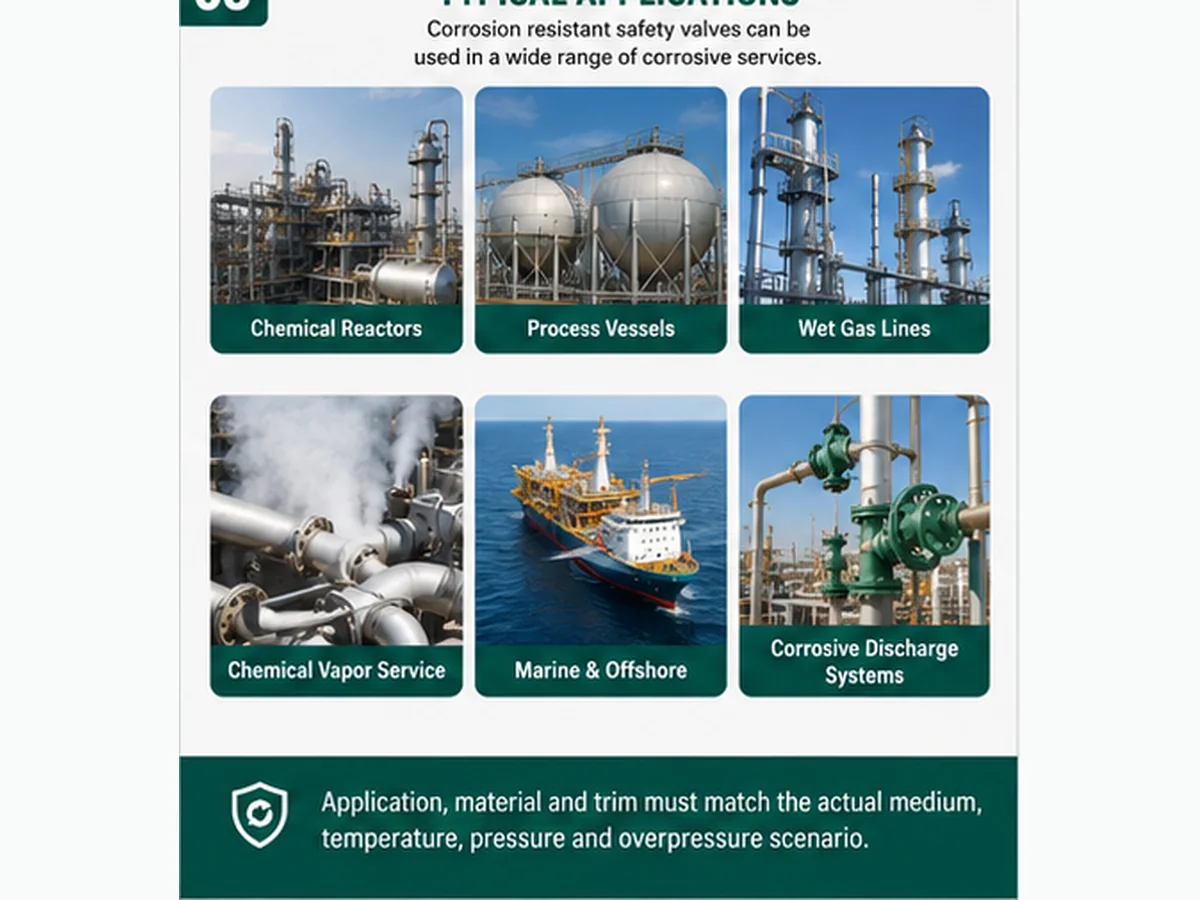
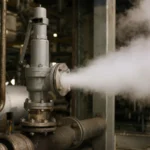
خريطة تطبيق مبسطة لتوجيه طلبات عروض الأسعار؛ يعتمد موقع الصمام الفعلي واختيار المواد على المعدات المحمية، سيناريو التنفيس، ومراجعة المشروع.
المعدات الكيميائية ومعدات العمليات
قد تتعرض المفاعلات، أوعية الضغط، المبادلات الحرارية، الفواصل وأنظمة النقل للأحماض، القلويات، المذيبات، المحفزات أو نواتج التفاعل عند مدخل الصمام وأجزائه المبللة. قد يختلف سيناريو التنفيس السائد وتركيبة الغاز المنفّس عن ظروف التشغيل العادية.
خدمة الغاز الرطب، البخار، والخدمة التكثيفية
يتطلب الغاز الرطب والبخار المسبب للتآكل مراجعة نقطة الندى، والتكثيف، والتصريف لأن الصمام ونظام التفريغ قد يتعرضان لمرحلة سائلة غير موجودة في وصف العملية العادي.
التعرض الخارجي، البحري، والجو المسبب للتآكل
يمكن أن يؤثر الهجوم الخارجي على الغطاء، وغلاف النابض، والمسامير، والغطاء، والذراع، وفتحات التهوية، والمصارف، ولوحة الاسم حتى عندما يكون سائل العملية غير مسبب للتآكل. يعتبر الطلاء والمواد والتصريف وإمكانية الوصول للفحص قرارات منفصلة.
الخدمة الصحية تمثل مشكلة اختيار مختلفة
تتمحور الخدمة الصحية حول قابلية التنظيف، وقابلية التصريف، وتشطيب السطح، ومتطلبات CIP/SIP أو ملامسة المنتج. قد يواجه الصمام الصحي أيضًا التآكل، ولكن “الصحي” و “مقاوم للتآكل” ليسا تعريفات منتجات قابلة للتبديل.
ما هي الأجزاء التي تحتاج إلى مراجعة للتآكل؟
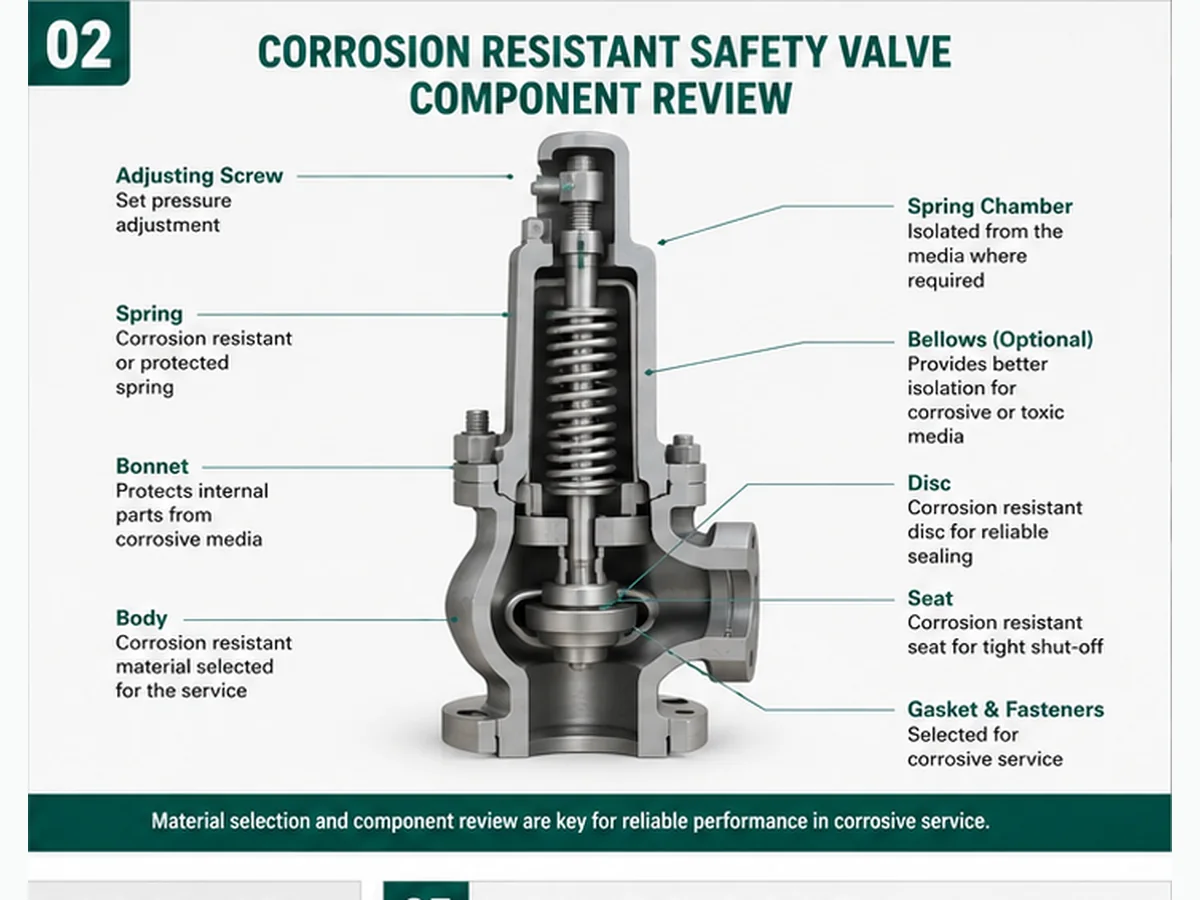
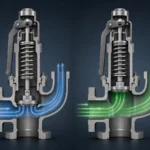
رسم توضيحي هندسي مبسط؛ ليس مقطعًا عرضيًا خاصًا بالنموذج، أو ضمانًا للمواد، أو رسمًا إنشائيًا معتمدًا.
تحديد مادة الجسم فقط هو خطأ شراء متكرر. يجب أن تتبع المراجعة حدود الضغط، ومسار التدفق المبلل، وآلية الحركة والتوجيه، وغرفة النابض، والحشوات، والتعرض لجانب التفريغ. يمكن أن يكون لكل مكون تعرض وعواقب فشل مختلفة.
| المكون | مخاوف التآكل | ما يجب تأكيده قبل طلب عرض السعر (RFQ) |
|---|---|---|
| الجسم والغطاء | التآكل العام أو الموضعي، الهجوم الخارجي، ترقق حدود الضغط أو التشقق. | المواد، مواصفات الصب/التشكيل إذا لزم الأمر، تصنيف الضغط ودرجة الحرارة، سياسة بدل التآكل، نطاق الفحص. |
| الفوهة والقرص | التنقر، التآكل الناتج عن التآكل، التآكل أو الترسبات التي تغير تلامس المقعد والرفع. | المواد المبللة، اقتران الصلابة، نظافة الوسط، تغيير السرعة/المرحلة وطريقة الصيانة. |
| المقعد / المقعد الناعم / حلقة دائرية (O-ring) | الهجوم الكيميائي، الانتفاخ، التصلب، الانتشار، البثق أو تلف درجات الحرارة. | تصميم المقعد المعدني أو اللين، درجة البوليمر، حدود درجة الحرارة، قبول التسرب وسلوك تخفيف الضغط حيثما كان ذلك مناسبًا. |
| الدليل والمغزل | التآكل الموضعي، الترسبات، الاحتكاك أو عدم المحاذاة التي تزيد من الاحتكاك. | توافق المواد، الخلوص، التعرض للتكثيف/المواد الصلبة، دليل التنظيف والفحص. |
| النابض وغرفة النابض | التآكل أو الترسبات التي تغير قوة النابض، الحركة أو التكرار. | بيئة الغطاء، توجيه التهوية، الحاجة إلى المنفاخ/الحماية، مادة النابض وحدود الطلاء. |
| منفاخ | التآكل، الإجهاد، الثقوب أو انسداد التهوية؛ يمكن أن يؤدي الفشل إلى تغيير استجابة الضغط الخلفي. | سبيكة المنفاخ، الحركة، درجة الحرارة، واجب الدورة، التعرض الداخلي/الخارجي ومسار التهوية. |
| الحشوات، الحشو والأختام | عدم التوافق الكيميائي، الزحف، الاسترخاء، الانتفاخ أو التسرب. | المادة الدقيقة، حدود درجة الحرارة/الضغط، إجراء التجميع وتتبع الاستبدال. |
| المثبتات، الغطاء والأجزاء الخارجية | التآكل الجوي، أجزاء الضبط المتجمدة، فقدان التعريف أو ضعف الوصول. | البيئة الخارجية، مادة الربط، نظام الطلاء، حماية لوحة الاسم، وإمكانية الوصول للفحص. |
إذا كان الوسط المسبب للتآكل أو ضغط المخرج يمكن أن يصل إلى حجرة النابض،, صمامات أمان متوازنة بمنفاخ أو قد تحتاج تركيبة محمية أخرى إلى مراجعة. المنفاخ ليس حاجزًا عالميًا للتآكل: السبائك، ودرجة الحرارة، والإجهاد، والتهوية، والحركة، ونمط الفشل تظل خاصة بكل طراز.
سيناريو هندسي مركب: يؤدي الاستبدال إلى ترقية الجسم من الفولاذ الكربوني إلى الفولاذ المقاوم للصدأ، ولكنه يحتفظ بمادة فوهة، وقرص، ودليل غير متوافقة. يجتاز الصمام فحص ضغط الضبط في الورشة، ثم يتطور لديه تسرب في المقعد وحركة خشنة أثناء الخدمة. السبب الهندسي هو عدم تطابق المواد على مستوى المكون، وليس درجة جسم غير صحيحة. التصحيح هو مراجعة جدول المواد الكامل المبلل والوظيفي؛ التحكم الوقائي هو ورقة بيانات تسمي مواد الجسم، والفوهة، والقرص، والدليل، والمحور، والنابض، والمنفاخ، والحشية، والمقعد بشكل منفصل. هذه حالة تدريب توضيحية.
مراجعة خيارات التصميم الرئيسية لصمام الأمان للوسائط المسببة للتآكل
تركيبات الفولاذ المقاوم للصدأ والسبائك
يجب أن يتطابق اختيار المواد مع آلية التآكل والواجب الميكانيكي. “مقاوم للصدأ” هو اسم عائلة، وليس قرار توافق، والمحتوى العالي من السبائك لا يزيل الحاجة إلى مراجعة التصنيع، والصلابة، والالتصاق، والمواد المجاورة.
منفاخ متوازن أو حجرة نابض محمية
قد يعزل المنفاخ أو الغطاء المحمي أجزاء مختارة عن ضغط المخرج أو التفريغ المسبب للتآكل، ولكن المنفاخ نفسه يصبح مكونًا حساسًا للضغط والإجهاد. يجب أن تظل فتحة التهوية الخاصة به ومؤشر الفشل مفتوحين وموجهين بشكل صحيح.
اختيار المقاعد المعدنية، والمقاعد اللينة، والحشيات
تتجنب المقاعد المعدنية حدود توافق البوليمرات ولكنها يمكن أن تكون حساسة للتنقر والجزيئات. قد تقلل المقاعد اللينة من التسرب عندما تكون مناسبة كيميائيًا وحراريًا، ولكن التورم، والصلابة، وفك الضغط، وتتبع الاستبدال تتطلب مراجعة.
قيود البطانة والطلاء
لا يمكن للطلاء أو البطانة دعم التحكم في التآكل الخارجي أو الداخلي المحدد إلا عندما يوافق المصنع على موقعه، وإعداده، وسُمكه، وطريقة الإصلاح، وخدمة درجة الحرارة/الضغط. يجب ألا يعيق التدفق، أو الخلوص، أو الفتحات، أو أسطح الختم.
حدود الصمامات التقليدية المحملة بنابض والتي تعمل بالبايلوت
الصمامات التقليدية بسيطة ولكنها قد تكون حساسة للضغط الخلفي وتعرض الغطاء. قد توفر التصميمات التي تعمل بالبايلوت سلوكًا مختلفًا لهامش التشغيل والضغط الخلفي، ومع ذلك، يمكن أن تكون خطوط الاستشعار، والبايلوتات، والأختام عرضة للانسداد، أو التكثيف، أو التبلور، أو الهجوم الكيميائي.
ضوابط الفحص والإصلاح والتوثيق
يجب تحديد سجلات المواد، ونتائج ضغط الضبط وإحكام المقعد، وبيانات الحالة كما وجدت/كما تركت، وتتبع قطع الغيار، وإعادة الختم، وإدارة التغيير عند الاقتضاء. هذه السجلات لا تحل محل مراجعة السعة أو نظام التركيب.
| خيار التصميم | عندما يمكن مراجعته | الحدود |
|---|---|---|
| أجزاء الضغط من الفولاذ المقاوم للصدأ أو السبائك | عندما تدعم بيانات التآكل الدرجة للسائل الفعلي، ودرجة الحرارة، وحالة التصنيع. | ليست عالمية؛ قد تكون الدرجة، وشكل المنتج، والمعالجة الحرارية، والصلابة، واللحام، والتعرض للخدمة مهمة. |
| بطانة مقاومة للتآكل | عندما تتعرض فوهة، أو قرص، أو دليل، أو وجه عمود للهجوم الموضعي، أو الاحتكاك، أو التآكل، أو الترسبات. | يجب أن تظل البطانة قادرة على الحركة، والتوجيه، والختم، والاحتفاظ بهندسة التدفق المحددة. |
| منفاخ متوازن / حجرة محمية | عندما يمكن أن يؤثر ضغط المخرج أو التفريغ المسبب للتآكل على مكونات حجرة الزنبرك. | تتطلب مادة المنفاخ، ودورة الحياة، والتهوية، ودرجة الحرارة، والحركة، وحدود الضغط الخلفي بيانات النموذج. |
| المقعد اللين | عندما تكون هناك حاجة إلى تسرب أقل وتكون المادة المطاطية أو البوليمر متوافقة مع الكيمياء والضغط ودرجة الحرارة. | يجب تأكيد التوافق الكيميائي، وإزالة الضغط، والتقادم، وإمكانية تتبع قطع الغيار. |
| البطانة أو الطلاء | عندما تتم الموافقة على سطح محدد وتعرض محدد كجزء من تصميم الشركة المصنعة/المشروع. | لا يحل محل مراجعة حدود الضغط، أو التجهيزات الداخلية، أو المقعد، أو منطقة التدفق، أو الفحص، أو مراجعة الكود. |
| تكوين يعمل بالبايلوت | عندما يحتاج المشروع إلى خصائص هامش التشغيل أو الضغط الخلفي الخاص به ويكون الوسط مناسبًا للبايلوت ومسار الاستشعار. | الخدمة التي تتضمن مواد متسخة، لزجة، متبلورة، متكثفة أو متجمدة يمكن أن تؤثر على ممرات البايلوت والأختام؛ استخدم الحدود الخاصة بالنموذج. |
سيناريو هندسي مركب: تم اختيار صمام يعمل بالبايلوت لتحسين هامش التشغيل، ولكن بخار العملية يتكثف في خط الاستشعار ويترك رواسب بلورية. يصبح الفتح متأخرًا وتتدهور قابلية التكرار. التصحيح هو مراجعة نظافة السائل، وسلوك الطور، وتوجيه خط الاستشعار، وبنية صمام بديلة. التحكم الوقائي هو تضمين ظروف التكثيف والمواد الصلبة والتنظيف في قرار نوع الصمام. هذا سيناريو توضيحي، وليس ادعاءً للمنتج.
مصفوفة المراجعة الأولية للخدمة المسببة للتآكل
هذه المصفوفة هي أداة فحص، وليست مخططًا للمواد أو محددًا نهائيًا للنموذج. تحدد المعلومات المطلوبة لتحديد التعرض للتآكل وللحفاظ على اختيار المواد منفصلاً عن حسابات الحماية من الضغط الزائد.
| سؤال | لماذا يغير القرار | ماذا ترسل قبل طلب عرض سعر (RFQ) |
|---|---|---|
| ما هي المعدات وحدود الضغط التي تتم حمايتها؟ | يحدد كود المعدات، MAWP/ضغط التصميم، وسيناريو التنفيس أساس الحماية من الضغط الزائد. | نوع المعدات/العلامة، وثائق التصميم، ضغط التشغيل، MAWP/ضغط التصميم، وبيانات الاتصال. |
| ما هو سيناريو التنفيس السائد؟ | انسداد المخرج، فشل المنظم، التمدد الحراري، اضطراب التفاعل، تمزق الأنبوب أو التعرض للحريق يمكن أن يغير التدفق والمرحلة والتركيب. | وصف السيناريو، السعة المطلوبة وأساس الحساب من المهندس المسؤول. |
| ما هي المادة التشغيلية الدقيقة في الظروف العادية وظروف التنفيس؟ | يعتمد التآكل على التركيب والتركيز والملوثات والمرحلة الرطبة ودرجة الحرارة والضغط - وليس على الاسم التجاري وحده. | نطاق التركيب، الملوثات، درجة الحموضة (pH) عند الاقتضاء، حالة البخار/السائل/الطور المزدوج ودرجة حرارة التنفيس. |
| هل يمكن أن يحدث تكثف أو ترسب مواد صلبة أو تبلور أو بلمرة؟ | يمكن أن تؤثر الرواسب وتغير الطور على تعرض المواد، الخلوصات، تلامس المقعد، الصرف والصيانة. | نقطة الندى، المواد الصلبة، اللزوجة، حدود التبلور/البلمرة، خطة بدء التشغيل/الإيقاف والتنظيف. |
| إلى أين يتم تصريف الصمام؟ | يغير التفريغ الجوي، مداخن التهوية والرؤوس المشتركة الضغط الخلفي، التعرض للتآكل، أحمال الصرف والتفاعل. | رسم المخرج، الوجهة، ضغط الرأس، الضغط الخلفي المتراكم، المصارف والدعم. |
| ما هي الأدلة ونطاق الفحص المطلوب؟ | سجلات المواد، فحص التوافق المادي (PMI)، سجلات الاختبار، دليل السعة ونقاط المراقبة تؤثر على القبول ووقت التسليم. | مواصفات المشروع، خطة ضمان الجودة، قائمة المستندات، نقاط الاحتجاز/المراقبة ومستوى التتبع. |
| ما هي آلية التآكل التي يمكن تصديقها؟ | الهجوم المنتظم، التنقر، تآكل الشقوق، التآكل الجلفاني، التآكل التآكلي والتشقق بمساعدة البيئة تتطلب ضوابط مختلفة. | نتائج الفحص السابقة، دراسة التآكل، بيانات المختبر/الخدمة، المواد المجاورة وحالة التصنيع. |
| ما هي مصطلحات الضغط التي تم تأكيدها؟ | ضغط التشغيل، الحد الأقصى لضغط التشغيل الآمن (MAWP)، ضغط الضبط (set pressure)، ضغط تفريغ التفريغ (CDTP)، الضغط الزائد، التراكم وضغط التنفيس تؤثر على فحوصات مختلفة ويجب عدم دمجها. | قيم ورقة بيانات المشروع مع الوحدات، أساس السائل/الاختبار، الضغط الخلفي (back pressure) وإصدار الكود المعتمد. |
قاعدة طلب عرض السعر: “صمام أمان مقاوم للتآكل” أو “صمام أمان من الفولاذ المقاوم للصدأ” ليست مواصفات كاملة. كحد أدنى، قدم الوسط الفعلي ونطاق التركيز، الطور، الملوثات، درجة حرارة التشغيل والتنفيس، مصطلحات الضغط، حمل التنفيس، الضغط الخلفي، مواد المكونات والأدلة المطلوبة.
المقاومة للتآكل لا تثبت سعة التنفيس
مقاومة التآكل وأداء التنفيس هي فحوصات هندسية مستقلة. المادة المتوافقة لا تحدد مساحة التدفق المطلوبة، معامل التفريغ، الرفع (lift)، الاستقرار أو سعة الكود. على العكس من ذلك، يمكن لصمام بسعة مقدرة كافية أن يفشل لأن المقعد، الدليل، حجرة النابض أو نظام التفريغ غير مناسب كيميائيًا.
سعة التنفيس المطلوبة هي الحمل الناتج عن سيناريو التنفيس الحاكم. يجب أن يكون الصمام المختار لديه سعة مقدرة معتمدة أو مقبولة للمشروع بطريقة أخرى للسائل والظروف المذكورة. مساحة الفتحة الفعالة، التجويف الفعلي، المعامل والرفع (lift) ليست مصطلحات قابلة للتبديل، وحجم وصلة الدخول/الخروج هو مجرد واجهة ميكانيكية. لا يمكن استبدال سعات البخار، الهواء/الغاز، السائل والطورين دون حسابات وبيانات أساسية قابلة للتطبيق. للتمييز الكامل، راجع حساب مقاسات صمامات الأمان وسعة التنفيس المعتمدة.
| البند | ماذا يعني | خطأ شائع |
|---|---|---|
| ملاءمة المواد | ما إذا كان كل جزء من حدود الضغط، الأجزاء المبللة، الأجزاء المتحركة، الأجزاء المانعة للتسرب والأجزاء المكشوفة مناسبًا للكيمياء ودرجة الحرارة الفعلية. | افتراض أن درجة المادة تثبت حماية الضغط أو عمر الخدمة. |
| ضغط الضبط وضغط التفريغ القياسي للاختبار (CDTP) | يحدد ضغط الضبط أساس الفتح المحدد؛ قد يأخذ ضغط التفريغ القياسي للاختبار (CDTP) في الاعتبار اختلافات الاختبار/الخدمة مثل الضغط الخلفي أو درجة الحرارة عند الاقتضاء. | اعتبار اختبار الضبط الناجح بمثابة موافقة على السعة أو المواد أو نظام التركيب. |
| سعة التنفيس المطلوبة | الحمل الذي يجب تخفيفه للسيناريو الحاكم، مع ذكر طور السائل وأساس الحساب. | استخدام حجم الوصلة أو مظهر الصمام السابق أو تدفق العملية كاختصار. |
| السعة المعتمدة / المقدرة للتنفيس | دليل السعة الخاص بالنموذج والتكوين للسائل والضغط ودرجة الحرارة وأساس المعيار المحدد. | افتراض أن جميع الصمامات بنفس مقاس DN/NPS أو بنفس هيكل الجسم لها نفس السعة. |
| فتحة التنفيس الفعالة، التجويف الفعلي، ومعامل الأداء | مصطلحات هندسية وأدائية مختلفة تستخدم في حساب المقاسات أو بيانات المنتج؛ يجب تفسيرها باستخدام الطريقة المطبقة. | مساواة التجويف المقاس أو حرف الكتالوج بالسعة النهائية المقبولة. |
| الضغط الخلفي وفقدان الضغط عند المدخل | ضغوط النظام المثبتة التي يمكن أن تغير الفتح، السعة، والاستقرار. | اختيار المادة بشكل صحيح مع تجاهل أداء نظام الأنابيب. |
لأغراض حسابات السعة، استخدم حساب مقاسات صمامات الأمان API 520 كمساعد ترجمة. القبول النهائي للسعة يتطلب حسابات المشروع، وبيانات الشركة المصنعة المختارة، والإصدار المعتمد.
سيناريو هندسي مركب: يؤدي توسيع العملية إلى زيادة حمل تنفيس البخار الحاكم، ولكن يتم الاحتفاظ بصمام مقاومة التآكل الموجود لأن سبائكه وحجم اتصاله لم يتغيرا. يجتاز اختبار ضغط الضبط، ومع ذلك فإن أساس السعة الأصلي لم يعد يغطي الحالة الجديدة. التصحيح هو تكرار مراجعة حمل التنفيس ومراجعة السعة المختارة؛ التحكم الوقائي هو محفز للإدارة عند التغيير كلما تغير التركيب أو الإنتاجية أو السيناريو أو نظام التفريغ. هذا سيناريو تدريبي.
مراجعة الضغط الخلفي وغرفة النابض في الخدمة المسببة للتآكل
يجب فصل الضغط الخلفي إلى الضغط المتراكب الموجود قبل الفتح والضغط المتراكم الناتج عن تدفق التفريغ. يمكن أن يكون كل منهما ثابتًا أو متغيرًا. في الخدمة المسببة للتآكل، يتحكم نظام المخرج أيضًا فيما إذا كان البخار أو المكثف أو التفريغ المختلط يصل إلى المنفاخ، الغطاء، الفتحة، حجرة النابض، أنابيب المخرج والمعدات النهائية. لذلك يجب مراجعة نوع الصمام والمادة وتصميم التفريغ معًا.
| الحالة | مراجعة التركيز | الإجراء المحتمل قبل طلب عرض السعر |
|---|---|---|
| تفريغ جوي | توجيه آمن، سحابة مسببة للتآكل أو سائل، قوة رد الفعل، هجوم خارجي، ضوضاء وتصريف. | توفير اتجاه المخرج، الارتفاع، التعرض القريب، طور الوسط ومتطلبات المواد. |
| أنبوب مخرج طويل أو مرتفع | ضغط متراكم، سائل محبوس، حركة حرارية، أحمال دعم ومخصص للتآكل. | توفير حجم الخط، الطول المكافئ، التركيبات، المظهر الجانبي للارتفاع، المصارف، الدعم والمواد. |
| رأس تفريغ مشترك | ضغط متراكب، ضغط رأس متغير، كيمياء مختلطة وافتراضات تفريغ متزامنة. | توفير الحد الأدنى/الأقصى لضغط الرأس، الأجهزة المتصلة، حالات التفريغ وتوافق التفريغ المشترك. |
| احتمالية تعرض حجرة الزنبرك أو الغطاء | تآكل الزنبرك، الدليل، المغزل أو الأجزاء الداخلية للغطاء وعواقب انسداد فتحة التهوية. | تأكيد بناء الغطاء، الحاجة إلى المنفاخ، مسار التهوية والتعرض العادي/الطارئ. |
| تم النظر في المنفاخ | تعويض الضغط الخلفي بالإضافة إلى مراجعة تآكل المنفاخ، الإجهاد وفشل الوضع. | استخدام حدود النموذج المحدد للمواد، الحركة، درجة الحرارة، الضغط الخلفي والتهوية. |
بالنسبة لآلية النظام وحدود التكوين، قم بالمراجعة الضغط الخلفي والمنفاخ.
سيناريو هندسي مركب: يتم تصريف صمام من الفولاذ المقاوم للصدأ عبر رأس أفقي مضاف حديثًا. يتجمع المكثف الحمضي في نقطة منخفضة غير مصرفة ويصل ضغط الرأس المتغير إلى المخرج قبل الفتح. يظهر تسرب المقعد والتآكل الخارجي بعد عدة أحداث. يجمع التصحيح بين الصرف، وحساب ضغط الرأس، ومراجعة المواد، ومراجعة تكوين الصمام. التحكم الوقائي هو تضمين تعديلات المخرج في إدارة التغيير. هذه حالة توضيحية.
ما هي المعلومات التي تحدد صمام الأمان المقاوم للتآكل؟
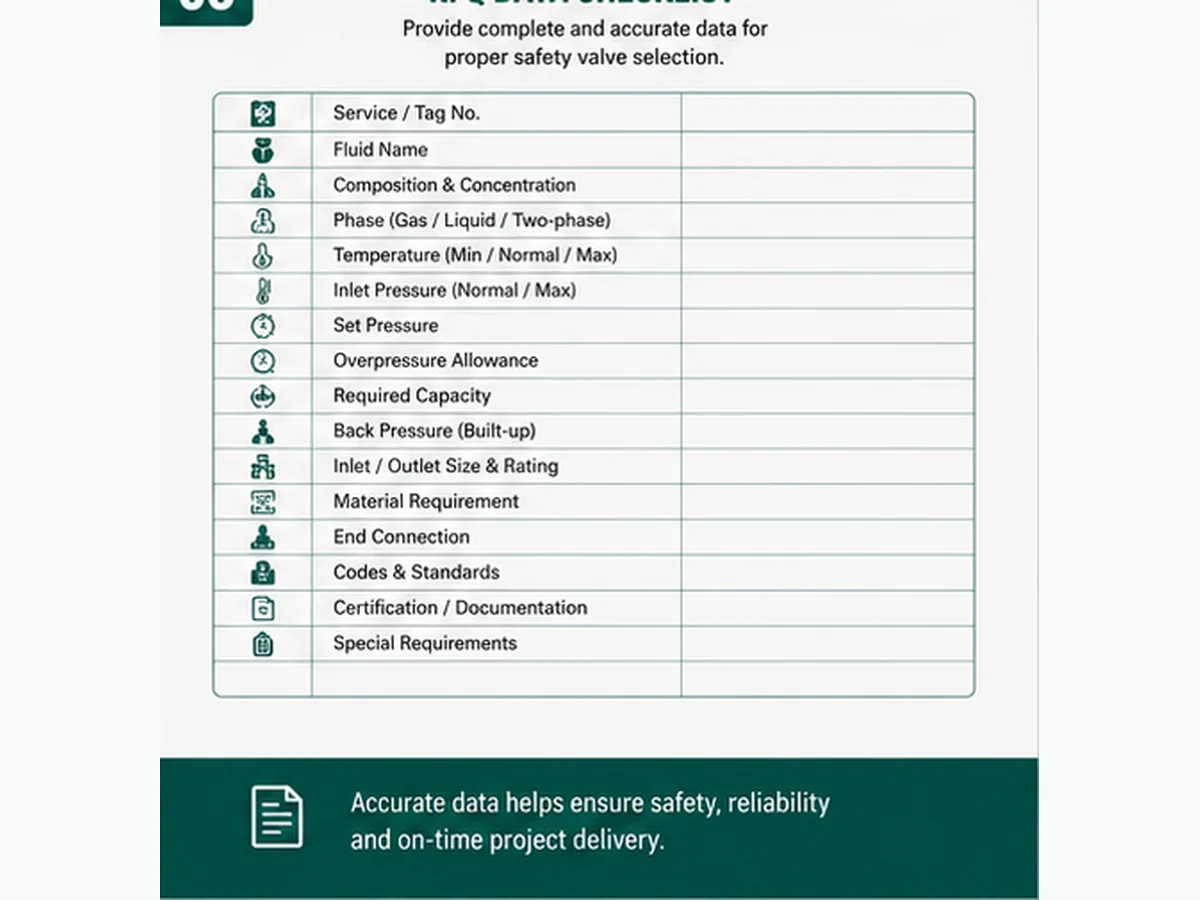
رسم توضيحي لقائمة مراجعة طلب عرض السعر؛ يعتمد الاختيار النهائي للصمام على بيانات الخدمة الفعلية، وثائق الشركة المصنعة، ومراجعة المشروع/الكود.
يصبح التعريف مواصفات هندسية فقط عندما تكون المعدات المحمية، وحالة التنفيس، والتعرض الفعلي معروفة. يجب أن يذكر طلب عرض الأسعار الظروف العادية، والظروف الطارئة، وظروف الإغلاق، وظروف التنفيس عندما تتغير الطور أو الكيمياء؛ وإلا لا يمكن للمورد تأكيد المواد أو التكوين بمسؤولية.
أخطاء شائعة في اختيار صمامات الأمان المقاومة للتآكل
| خطأ | المخاطر | تحقق أفضل |
|---|---|---|
| افتراض أن الفولاذ المقاوم للصدأ كافٍ دائمًا | التآكل الموضعي، التشققات البيئية، التآكل بالاحتكاك، هجوم الختم، أو الفشل المبكر. | تأكيد آلية التآكل، الكيمياء الدقيقة، درجة الحرارة، حالة التصنيع، وكل مكون معرض. |
| تحديد مادة الجسم فقط | قد تظل الفوهة، القرص، الدليل، الساق، النابض، المنفاخ، الحشية، أو البراغي عرضة للخطر. | إصدار جدول مواد على مستوى المكون وخريطة التعرض. |
| تجاهل السعة وأساس المائع | قد يكون الصمام مناسبًا ويقاوم التآكل ولكنه يفشل في تلبية حمل التنفيس المطلوب. | قارن السعة المطلوبة مع السعة المقدرة المقبولة للسائل والظروف الفعلية. |
| تجاهل الضغط الخلفي والتصريف | تشغيل غير مستقر، تراكم التكثيف المسبب للتآكل، تعرض المنفاخ/النابض أو تكوين خاطئ. | احسب تأثيرات المخرج وراجع الفتحات، والمصارف، والدعامات، والمواد. |
| نسخ الصمام القديم | تكرار خطأ تاريخي في الحجم، أو فئة الضغط، أو التركيب، أو الوثائق بعد تغير ظروف التشغيل. | راجع سيناريو التنفيس الحالي، والكيمياء، والسعة، ولوحة الاسم، والبيانات الموجودة، والأنابيب. |
| معاملة الطلاء أو البطانة كحل شامل | يمكن أن يؤدي التلف، أو الانفصال، أو الأسطح الوظيفية غير المحمية إلى إفشال الاستراتيجية. | تأكد من الموقع المعتمد من الشركة المصنعة، والإعداد، ودرجة الحرارة، وطريقة الفحص والإصلاح. |
تحذير الاستبدال: لا ينبغي نسخ الصمام المتآكل حسب الحجم، أو فئة الضغط، أو ضغط الضبط، أو مادة الجسم وحدها. حدد ما إذا كان الفشل ناتجًا عن الكيمياء، أو تغير الطور، أو عدم تطابق السعة، أو الضغط الخلفي، أو الرواسب، أو التعرض الخارجي، أو ممارسات الصيانة، أو آلية واحدة أو أكثر.
فحص التركيب والتفريغ في الخدمة المسببة للتآكل
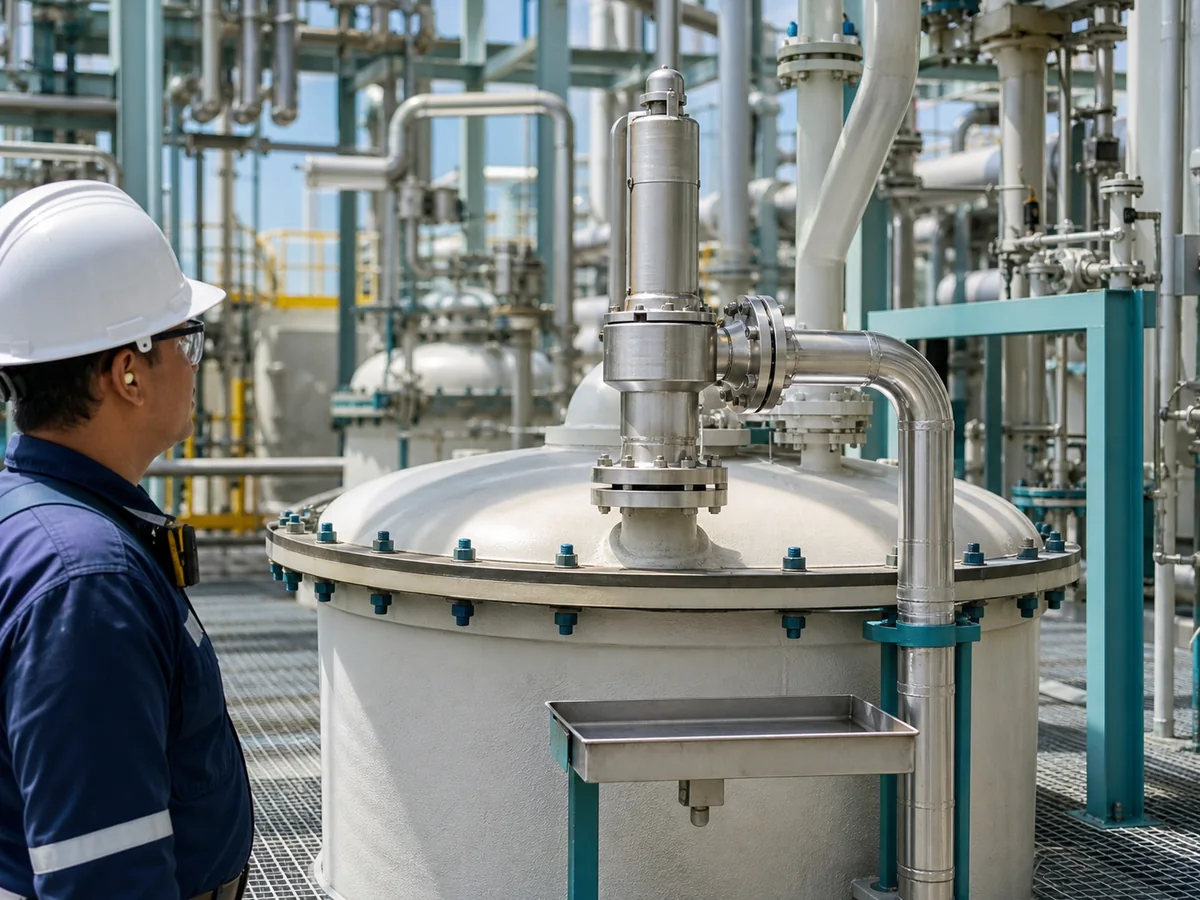
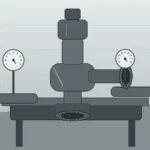
رسم توضيحي مبسط للتركيب؛ يجب أن يتبع التركيب النهائي تعليمات النموذج المحدد، ومواصفات المشروع، والكود المطبق.
اتجاه التركيب، نظافة المدخل وفقدان الضغط
قم بتركيب الصمام المختار بالاتجاه الذي يتطلبه المصنع، ورمز البناء، والمشروع. يجب أن يكون مسار المدخل نظيفًا، ومدعومًا بشكل كافٍ، ويتم فحصه بحثًا عن فقدان الضغط، والتآكل، والرواسب، وإجهاد الأنابيب. يمكن أن تؤدي منتجات التآكل أو مسار التدفق المنخفض إلى إضعاف الاستقرار والقدرة المُسلمة حتى عندما تكون مواد الصمام مناسبة.
دعم المخرج، التصريف، قوة رد الفعل والتفريغ المسبب للتآكل
ادعم أنابيب المخرج بشكل مستقل ووجه التفريغ إلى موقع معتمد. راجع الضغط الخلفي المتراكب والمتراكم، وقوة رد الفعل، والحركة الحرارية، والمصارف، وجيوب السوائل. يمكن أن يهاجم التكثيف المسبب للتآكل المخرج، أو المنفاخ، أو غرفة النابض ويمكن أن يقيد التفريغ إذا لم تتم إدارة النقاط المنخفضة.
فترات الوصول للفحص والصيانة القائمة على المخاطر
يمكن أن تبرر الخدمة المسببة للتآكل فترات فحص أقصر أو فترات فحص قائمة على الحالة، ولكن لا توجد فترة عالمية تنطبق. استخدم تاريخ العملية، وآلية التآكل، والنتائج التي تم العثور عليها، والتسرب، والرواسب، وأداء المواد، واللوائح المعمول بها، وبرنامج سلامة الموقع. حافظ على الوصول إلى الأغطية، وفتحات التهوية، والمصارف، والأختام، وتحديد الهوية. لفحص التخطيط العام، راجع دليل تركيب صمامات الأمان.
| افعل | لا | لماذا هو مهم |
|---|---|---|
| التركيب بالاتجاه المعتمد مع مدخل قصير ونظيف ومتوافق. | لا تستخدم مدخلًا طويلاً، أو مخفضًا، أو متآكلًا دون مراجعة هيدروليكية وميكانيكية. | فقدان المدخل، والرواسب، وإجهاد الأنابيب يمكن أن يؤثر على استقرار الفتح والسعة المقدمة. |
| ادعم المخرج بشكل مستقل وقيم أحمال رد الفعل. | لا تسمح لخط تفريغ ثقيل أو متحرك حراريًا بتحميل جسم الصمام. | يمكن للحمل الميكانيكي تشويه المحاذاة، وإتلاف الوصلات، وتفاقم التسرب. |
| وفر التصريف حيث يمكن أن تتجمع المكثفات أو سوائل الغسيل. | لا تنشئ جيوب سائل غير مراجعة في المخرج، أو فتحة تهوية الغطاء، أو مسار الاستشعار. | يمكن للسائل المسبب للتآكل المحتجز أن يهاجم المكونات، أو يتجمد، أو يتبلمر، أو يقيد الحركة. |
| قم بتوجيه تصريف السوائل المسببة للتآكل وفتحات التهوية للغطاء/المنفاخ إلى مواقع معتمدة آمنة. | لا تسد فتحات التهوية أو التصريف أو مسارات التفريغ كحل بديل للتسرب. | يمكن أن يؤدي حظر التوجيه إلى تغيير سلوك الصمام أو تعريض الأفراد والمعدات للخطر. |
| وفر إمكانية الوصول للفحص وحافظ على لوحة الاسم، والأختام، وقابلية التتبع. | لا تحدد فترة فحص ثابتة دون دليل خدمة أو أساس تنظيمي. | يجب أن تدفع حالة الجهاز كما تم العثور عليها وتاريخ الفشل المتكرر خطة الصيانة. |
متطلبات الاختبار والتوثيق والفحص
يجب أن تُظهر متطلبات التوثيق ثلاثة أشياء منفصلة: ما تم اختياره، وما هي المواد والإنشاءات التي تم توريدها، وكيف تم اختبار الجهاز أو إصلاحه. نتيجة ضغط الضبط لا تثبت إحكام المقعد أو السعة؛ وشهادة المواد لا تثبت التوافق الكيميائي؛ وتفويض الإصلاح لا يوافق على تصميم نظام التنفيس المثبت.
| Document / test item | ما يدعمه | ملاحظة المشتري |
|---|---|---|
| ورقة بيانات الصمام المعتمدة | النموذج المختار، خاصية الفتح، مصطلحات الضغط، أساس السائل، المواد، التوصيلات، والحدود. | استخدم كخط الأساس التقني المتحكم فيه؛ سجل المراجعات من خلال إدارة التغيير. |
| سجلات مواد المكونات. | مواد حدود الضغط المحددة، والتشذيب، والنابض، والمنفاخ، والحشية، والمقعد حيث تكون قابلية التتبع مطلوبة. | حدد الأجزاء ومستوى الشهادة قبل تقديم عرض السعر؛ لا تطلب “شهادات مواد كاملة” عامة.” |
| اختبار PMI أو التحقق من المواد الأخرى، إذا لزم الأمر. | التحقق من أجزاء السبائك المحددة ضمن برنامج التحقق من المواد الخاص بالمشروع. | حدد الأجزاء والطريقة وقبول المتطلبات وإجراءات الشهادة؛ لا يعتبر اختبار PMI دراسة توافق المواد للتآكل. |
| اختبار ضغط الضبط الأساسي واختبار CDTP. | ضبط الفتح تحت ظروف الاختبار المحددة، بما في ذلك أساس التصحيح المطبق. | حدد وسيط الاختبار والتفاوت والمعيار المطبق؛ هذا لا يحدد سعة التنفيس. |
| اختبار إحكام المقعد | أداء التسرب وفقًا للطريقة المحددة وأساس القبول. | احتفظ به منفصلاً عن أدلة ضغط الضبط والسعة؛ انظر اختبار إحكام المقعد API 527. |
| أدلة سعة معتمدة / مقدرة. | قدرة التنفيس لنوع الجهاز المحدد والتكوين وأساس السائل. | قارنها بحمل التنفيس المطلوب؛ تحقق من الشركة المصنعة والطراز والتكوين. |
| حالة الصمام كما تم العثور عليه / كما تم تركه وتتبع الإصلاح | الحالة قبل العمل، الأجزاء المستبدلة، التعديلات، النتائج النهائية، حالة إعادة الإحكام ولوحة التعريف. | عندما ينطبق إصلاح الكود، قم بتأكيد مسار الإصلاح المعتمد ومتطلبات NBIC/المشروع الحالية. |
| نطاق الفحص / الشهادة والإفراج | يحدد نقاط الاحتجاز، الفحوصات البصرية/NDE، حضور العميل أو الطرف الثالث وسجلات الإفراج. | اذكر المتطلبات قبل عرض السعر؛ لا تفترض موافقة طرف ثالث من تقرير اختبار عام. |
| سجل إدارة التغيير | يوضح ما إذا كان الوسط، الإنتاجية، سيناريو التنفيس، درجة الحرارة، التوصيلات أو تكوين الإصلاح قد تغير. | إعادة التحقق من المواد، السعة، وافتراضات نظام التركيب بعد التغييرات ذات الصلة. |
حدود الوثيقة: لا تفترض أن كل صمام مقاوم للتآكل يشمل PMI، التتبع الكامل، نتائج API 527، شهادة السعة، فحص الشهود أو سجلات إصلاح الكود. حدد الدليل الدقيق المطلوب وتأكد من أنه ينطبق على الشركة المصنعة المختارة، الطراز، التكوين ونطاق الإصلاح.
مشكلة متكررة بعد الصيانة: يعود صمام من الإصلاح بنتيجة ضغط ضبط مقبول، لكن المقعد يستمر في التسرب بسبب وجود تنقر متبقٍ على الفوهة وأن المقعد الناعم البديل غير متوافق مع مذيب العملية. التصحيح هو فحص المكونات بالإضافة إلى مراجعة إحكام المقعد والمواد الصحيحة. التحكم الوقائي هو الاحتفاظ ببيانات الحالة عند الاستلام/بعد التركيب، وتتبع الأجزاء البديلة وسجلات إعادة الإحكام. هذا مثال تدريبي مركب.
سير عمل التحقق من الاستبدال
عندما يُظهر صمام موجود تآكلًا، تسربًا، التصاقًا، رفعًا غير مستقر أو تعريفًا تالفًا، يجب أن يبدأ الاستبدال بمراجعة السبب الجذري وإدارة التغيير. قد يؤدي نسخ نفس الحجم القديم، ضغط الضبط أو السبيكة إلى تكرار نفس الفشل أو الحفاظ على أساس سعة قديم.
تأكيد أساس رمز المعدات، وظروف التشغيل الحالية، وسيناريو التنفيس، وسعة التنفيس المطلوبة.
التقط صورة لبطاقة التعريف، والأختام، والجسم، والمدخل، والمخرج، وفتحات تهوية الغطاء، والدعامات، والمصارف، والرواسب، ومواقع التآكل والتسرب.
تحقق من نطاق التركيب، والملوثات، والطور، ونقطة الندى، والتشغيل/الإيقاف، والتنظيف، ودرجة حرارة التنفيس، والغلاف الخارجي.
تحقق من السعة المطلوبة مقابل السعة المقبولة الخاصة بالنموذج؛ لا تستنتجها من DN/NPS قديم أو اختبار ضبط ناجح.
راجع جسم الصمام، والفوهة، والقرص، والدليل، والمغزل، وغرفة الزنبرك، والمنفاخ، والأختام، والمثبتات، وأنظمة المدخل والمخرج.
حدد بيانات الحالة الأصلية/الحالة بعد الإصلاح، والأجزاء، ونطاق الزنبرك، وتتبع المواد، والاختبارات، وإعادة الضبط/بطاقة التعريف، ومسار الإصلاح المعتمد المطبق.
سيناريو هندسي مركب: صمام وعاء كيميائي له جسم من الفولاذ المقاوم للصدأ، ومقعد متآكل بالتقشير، وغرفة زنبرك متآكلة. تحدد ورقة بيانات العملية فقط “بخار حمضي”، ولكن التبريد يخلق تكثيفًا بتركيز مختلف. يجب أن يؤكد قرار الاستبدال على حمل التنفيس، وضغط الضبط، ودرجة حرارة التنفيس، وكيمياء التكثيف، ومواد التشطيب والمقعد، وتعرض غرفة الزنبرك، والضغط الخلفي، وتصريف المخرج، ونطاق الوثائق. التصحيح ليس مجرد سبيكة جسم أعلى. هذا السيناريو التدريبي العام ليس حالة عميل أو ادعاء أداء منتج.
استكشاف أعراض الصمام المتعلقة بالتآكل وإصلاحها
هذه الأعراض هي مؤشرات فحص، وليست دليلًا على آلية تآكل واحدة. سجل وقت حدوث العرض، واحتفظ بالأدلة كما وجدت، وراجع العملية، والأنابيب، وحسابات الحجم، وحالة الصمام قبل الإصلاح أو الاستبدال.
| العرض | الأسباب المحتملة المتعلقة بالتآكل | فحوصات قبل الاستبدال | اختصار غير آمن لتجنبه |
|---|---|---|---|
| تسرب المقعد | التقشير، الجسيمات، الرواسب، مادة مقعد/ختم غير متوافقة، التآكل بالاحتكاك أو هجوم التكثيف. | تسرب الصمام كما هو، حالة المقعد/الفوهة، الكيمياء، هامش التشغيل، طريقة الاختبار وتاريخ الإصلاح. | استبدال الجسم فقط أو زيادة ضغط النابض. |
| الالتصاق أو التأخر في الفتح | تآكل الدليل/المغزل، التخديش، التبلور، البلمرة، المواد الصلبة أو انسداد ممرات البايلوت/الاستشعار. | الحركة، الترسبات، سلوك الطور، تاريخ التنظيف، الخلوص ومواد المكونات. | افتراض أن تعديل ضغط الضبط وحده يصحح الحركة المقيدة. |
| الرفرفة أو الاهتزاز. | الحجم الزائد، فقدان المدخل، الضغط الخلفي المتراكم/المتراكب، تدفق العملية غير المستقر، الترسبات أو الحمل الميكانيكي. | السعة المطلوبة والمقدرة، حسابات المدخل/المخرج، اتجاه الضغط، الدعامات والحالة الداخلية. | تغيير السبيكة أو حجم الصمام دون مراجعة النظام. |
| إعادة إغلاق ضعيفة | تلف المقعد، نواتج التآكل، سلوك التفريغ غير المناسب، الضغط الخلفي المتغير أو التكثيف المحتبس. | أسطح المقعد، اتجاه الضغط، سلوك التفريغ/إعادة الجلوس، تصريف المخرج والضغط الخلفي. | التلميع أو الصقل دون تصحيح التعرض وسبب الأنابيب. |
| التآكل الخارجي أو تلف التعريف | بيئة بحرية/كيميائية، غسيل، تلف العزل، فشل الطلاء أو الاقتران الجلفاني. | البيئة الخارجية، الطلاء/المادة، المسامير، الفتحات، المصارف، لوحة الاسم وسجل الفحص. | تجاهل الأجزاء الخارجية لأن وسط العملية غير مسبب للتآكل. |
صمام الأمان المقاوم للتآكل مقابل صمام الأمان العادي
وظيفة الحماية من الضغط الزائد هي نفسها
يجب أن يقوم صمام مقاوم للتآكل وصمام من مادة قياسية بحماية المعدات المحددة عند ضغط الضبط الصحيح والسعة المطلوبة. كلاهما يتطلب تصنيف ضغط مناسب، واستقرار، واستجابة للضغط الخلفي، وتركيب، وتوثيق.
مراجعة التعرض ومواد المكونات أوسع نطاقًا
العمل الإضافي هو تحديد آليات التآكل ورسم خرائط التعرض العادي، والاضطراب، والإغلاق، والتنفيس، والتعرض الخارجي لكل مكون من حدود الضغط، والمكونات المبللة، والتوجيه، والإغلاق، وغرفة النابض.
مقاومة التآكل لا تزيد السعة أو حالة الكود
تغيير السبيكة، أو المقعد، أو الطلاء لا يزيد بحد ذاته من الفتحة الفعالة، أو السعة المقدرة، أو ضغط الضبط المسموح به، أو نطاق الشهادة. تظل هذه الخصائص خاصة بالتصميم والأدلة المختارة.
متى تطلب مراجعة هندسية
اطلب مراجعة هندسية ومراجعة للتآكل عندما لا يكون الوسط محددًا بالكامل؛ عندما يختلف التركيز أو الطور أو درجة الحرارة؛ عندما قد تحدث تكثف، أو مواد صلبة، أو تبلور، أو بلمرة، أو كلوريدات، أو كبريتيد الهيدروجين؛ أو عندما يكون التعرض الخارجي شديدًا. قم بتوفير المعدات المحمية، وحالة التنفيس الحاكمة، وشروط الضغط، والسعة المطلوبة، ونطاق التركيب، وسلوك الطور، وملف تعريف درجة الحرارة، والضغط الخلفي، ومتطلبات المواد على مستوى الأنابيب والمكونات.
يتطلب الاستبدال مراجعة إضافية بعد التآكل، أو التسرب، أو الالتصاق، أو الثرثرة، أو الإصلاح المتكرر، أو فقدان التعريف، أو تغيير العملية، أو تعديل نظام التفريغ. احتفظ بورقة البيانات القديمة، ولوحة الاسم، ونتائج الفحص كما وجدت، والصور، وسجل الإصلاح. لا تقم بنسخ الصمام القديم لمجرد تطابق الأبعاد.
أسئلة شائعة
ما هو صمام الأمان المقاوم للتآكل؟
إنه صمام أمان تم اختيار حدود الضغط والأجزاء الداخلية الملامسة للسائل والأجزاء الوظيفية المكشوفة فيه لوسط أو بيئة تآكل محددة. لا يزال يتطلب التحقق المنفصل من ضغط الضبط، وقدرة التنفيس، والضغط الخلفي، والتركيب، والتوثيق.
هل الفولاذ المقاوم للصدأ كافٍ دائمًا للخدمة المسببة للتآكل؟
لا. الفولاذ المقاوم للصدأ هو عائلة من السبائك، وتعتمد الملاءمة على التركيب، والتركيز، والملوثات، والمرحلة، ودرجة الحرارة، وحالة التصنيع، وآلية التآكل، وتعرض المكون. درجة جسم الصمام وحدها ليست دليلاً كافياً.
ما هي البيانات المطلوبة قبل اختيار صمام أمان مقاوم للتآكل؟
توفير معدات محمية، سيناريو التنفيس الحاكم، السعة المطلوبة، التركيب الكامل للوسط ونطاقه، الطور، الملوثات، درجة حرارة التشغيل والتنفيس، مصطلحات الضغط، الضغط الخلفي، الأنابيب، مواد المكونات ومتطلبات الوثائق.
ما هي أجزاء صمام الأمان التي تحتاج إلى مراجعة للتآكل؟
الجسم، الغطاء، الفوهة، القرص، الدليل، الساق، المقعد، النابض، المنفاخ، الحشية، الحشو، الحلقة الدائرية، المسامير، الغطاء العلوي، الفتحات، أنابيب الدخول، وأنابيب الخروج. يعتمد المراجعة على التعرض الفعلي.
هل يمكن للطلاء أو البطانة أن تجعل أي صمام أمان مقاومًا للتآكل؟
لا. الطلاء أو البطانة مناسبة فقط للأسطح والشروط المعتمدة. لا يمكن أن تحل محل فحوصات حدود الضغط، والتشذيب، والمقعد، ومنطقة التدفق، ودرجة الحرارة، والفحص، وقابلية الإصلاح، وتصميم الشركة المصنعة.
هل مقاومة التآكل تثبت سعة صمام الأمان؟
لا تُعد ملاءمة المادة، وسعة التنفيس المطلوبة، والسعة المعتمدة أو المقدرة الخاصة بالموديل فحوصات منفصلة. حجم التوصيل، ومادة الجسم، وضغط الضبط لا يثبتان السعة.
متى يجب النظر في استخدام المنفاخ أو حجرة نابض محمية؟
ضعها في اعتبارك عندما يمكن أن يؤثر ضغط المخرج أو التفريغ المسبب للتآكل على أجزاء غرفة النابض، مع مراعاة مادة المنفاخ في الطراز المحدد، وحدود درجة الحرارة، والإجهاد، والحركة، والتهوية، والضغط الخلفي.
ما هي المستندات التي يجب طلبها لخدمة مقاومة التآكل؟
اعتمادًا على المشروع: ورقة بيانات مضبوطة، سجلات مواد المكونات، نطاق فحص التوافق المادي (PMI)، نتائج ضغط الضبط وإحكام المقعد، دليل السعة المقدرة، سجلات الإصلاح (كما وجدت/كما تركت)، سجلات التتبع والفحص/الشهادة.
هل ينطبق معيار ISO 15156 / NACE MR0175 على كل صمام أمان مقاوم للتآكل؟
لا، إنه يتعلق ببيئات إنتاج النفط والغاز المحتوية على كبريتيد الهيدروجين (H2S) وبيئات تحلية الغاز الطبيعي المحددة ضمن نطاقه. إنه ليس معيارًا عالميًا للتوافق الكيميائي ولا يحل محل كود التصميم المطبق أو مراجعة المواد الخاصة بالمشروع.
هل يثبت اختبار ضغط الضبط الناجح ملاءمة المواد أو سعة التنفيس؟
لا. يتحقق اختبار ضغط الضبط من تعديل الفتح تحت ظروف اختبار محددة. تتطلب ملاءمة المواد، وإحكام المقعد، والسعة المقدرة، وأداء النظام المثبت أدلة منفصلة.
المعايير وحدود الاختيار
تشرح هذه الصفحة حدود المواد والتكوين المتعلقة بالتآكل لصمامات الأمان. لا تتضمن هذه الصفحة معايير محمية بحقوق الطبع والنشر، أو حساب حمل التنفيس، أو ضمان التوافق الكيميائي، أو الإشارة إلى أن طراز ZOBAI يمتثل تلقائيًا لولاية قضائية معينة. معيار ISO 4126-1 هو معيار للمنتج، وليس رمزًا للتطبيق. وثائق API لها نطاقات محددة لصناعة التكرير/العمليات. يُستخدم معيار ISO 15156 / NACE MR0175 فقط لغاز كبريتيد الهيدروجين (H₂S) المطبق في إنتاج النفط والغاز.2للاطلاع على نظرة عامة على موضوع ZOBAI، راجع معايير صمامات الأمان ASME.
النطاق الرسمي ومراجع الإصدارات
استخدم هذه الصفحات الرسمية لتأكيد النطاق وحالة النشر الحالية. يظل المعيار المشتَرى، وإصدار المشروع المعتمد، وصفيحة بيانات الشركة المصنعة، والمتطلبات التنظيمية المحلية هي المرجع الأساسي.
- ASME BPVC Section XIII, 2025 — قواعد الحماية من الضغط الزائد
- API 520 Part I, 10th Edition — حسابات واختيار المقاسات
- خطة معايير API — حالة الإصدارات المنشورة الحالية لـ API 520، 521، 526، 527 و RP 576
- ISO 4126-1:2013 مع التعديل 1:2016 — معيار المنتج لصمامات الأمان
- ISO 15156-1:2020 — نطاق اختيار المواد لإنتاج النفط والغاز المحتوي على H₂S
- AMPP — اختيار المواد والتصميم لمكافحة التآكل
- National Board NB-18 — دليل اعتماد أجهزة تنفيس الضغط
- شهادة تفويض المجلس الوطني VR - نطاق إصلاح صمام تنفيس الضغط
هل تحتاج إلى مراجعة ورقة بيانات صمام أمان لخدمة مقاومة التآكل؟
أرسل المعدات المحمية، سيناريو التنفيس، السعة المطلوبة، الكيمياء الكاملة ونطاق التركيز، سلوك الطور، مصطلحات الضغط، ملف تعريف درجة الحرارة، الضغط الخلفي، تخطيط الأنابيب، متطلبات مواد المكونات، والأدلة المطلوبة. يجب تمييز العناصر غير المعروفة بـ “قيد التأكيد”، وليس تخمينها.