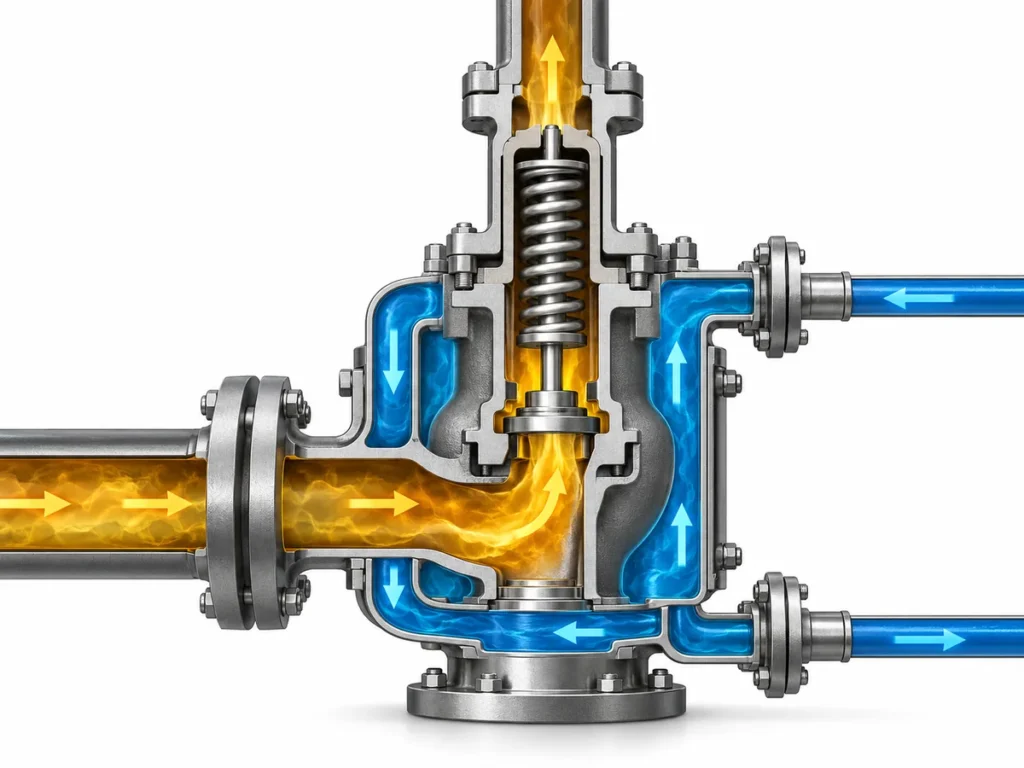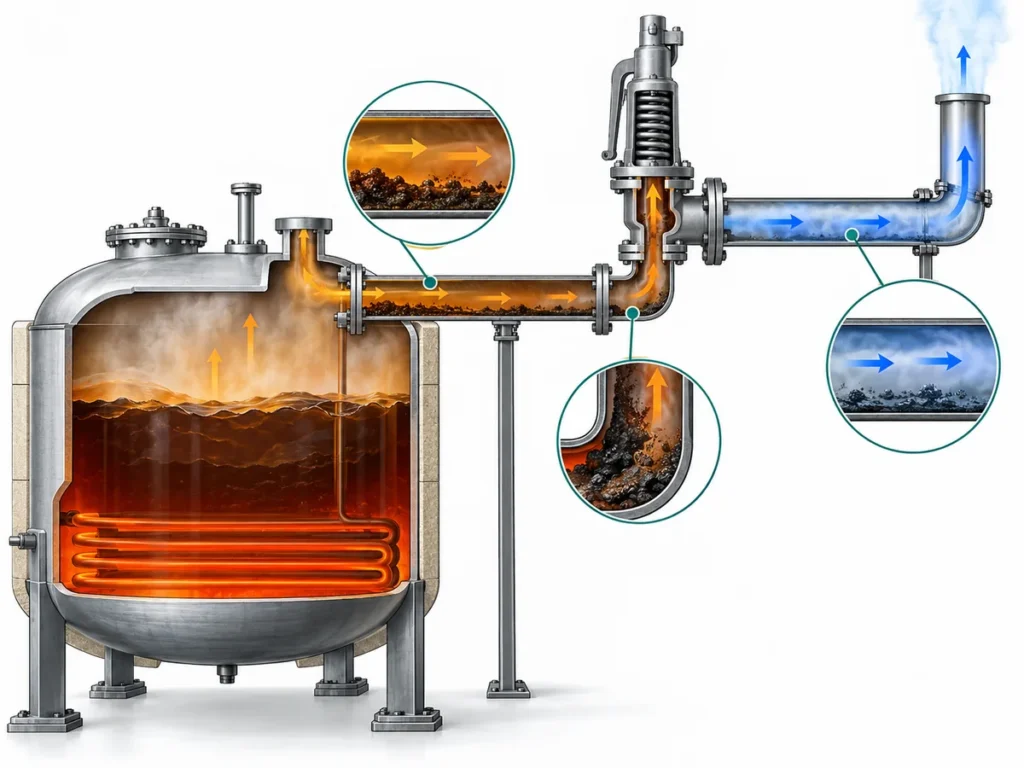
اختبار وفحص صمام الأمان: يتحقق اختبار رفع الذراع واختبار ضبط الضغط من أمور مختلفة. يمكن أن يُظهر فحص رفع الذراع المسموح به أن الذراع والمحور والتجميع المتحرك يمكن إزاحتها ميكانيكيًا في ظل حالة الفحص؛ ولا يحدد الضغط الذي سيفتح عنده الصمام تلقائيًا. الضبط ...

اختبار وفحص صمام الأمان
يختلف اختبار رفع ذراع صمام الأمان عن اختبار ضبط الضغط في ما يتحققان منه. يمكن أن يُظهر فحص رفع الذراع المسموح به أن الذراع والمحور والتجميع المتحرك يمكن إزاحتها ميكانيكيًا في ظل حالة الفحص؛ ولا يثبت الضغط الذي سيفتح عنده الصمام تلقائيًا. يستخدم اختبار ضبط الضغط ضغطًا مضبوطًا للتحقق من استجابة الفتح المحددة وفقًا لأساس اختبار معتمد. وحتى نتيجة ضبط الضغط المرضية لا تثبت بحد ذاتها إحكام المقعد أو السعة التصريفية المطلوبة أو كفاية نظام الدخول والتفريغ المركب.
إجابة سريعة: اختبار رفع الذراع مقابل اختبار ضبط الضغط
يساعد فحص رفع الذراع أو ذراع المحاولة ميكانيكيًا في فتح صمام الأمان المجهز بذراع. يمكن أن يوفر دليلًا محدودًا على أن سلسلة الرفع الخارجية والتجميع المتحرك يستجيبان، لكنه لا يقيس ضغط الدخول الذي سيُظهر عنده الصمام استجابة الفتح التلقائي المحددة.
يطبق اختبار ضبط الضغط ضغطًا مضبوطًا ويتحقق من استجابة الفتح المحددة في ظل ظروف اختبار معينة. هذا دليل على ضبط الضغط، وليس بديلًا عن اختبار منفصل لإحكام المقعد، أو مراجعة الحمل التصريفي والسعة، أو تقييم النظام المركب.
حركة الذراع ≠ التحقق من ضبط الضغط
التحقق من ضبط الضغط ≠ التحقق من إحكام المقعد
ضبط الضغط ≠ السعة التصريفية
لا يثبت أي من الاختبارين وحده حماية النظام المركب
نطاق الصفحة: تحدد هذه المقالة حدود التحقق بين فحوصات رفع الذراع واختبارات ضبط الضغط. تظل مهام التصميم التفصيلي وقبول تسرب المقعد وتصميم الضغط الخلفي وبرامج فحص المصنع مهام هندسية منفصلة.
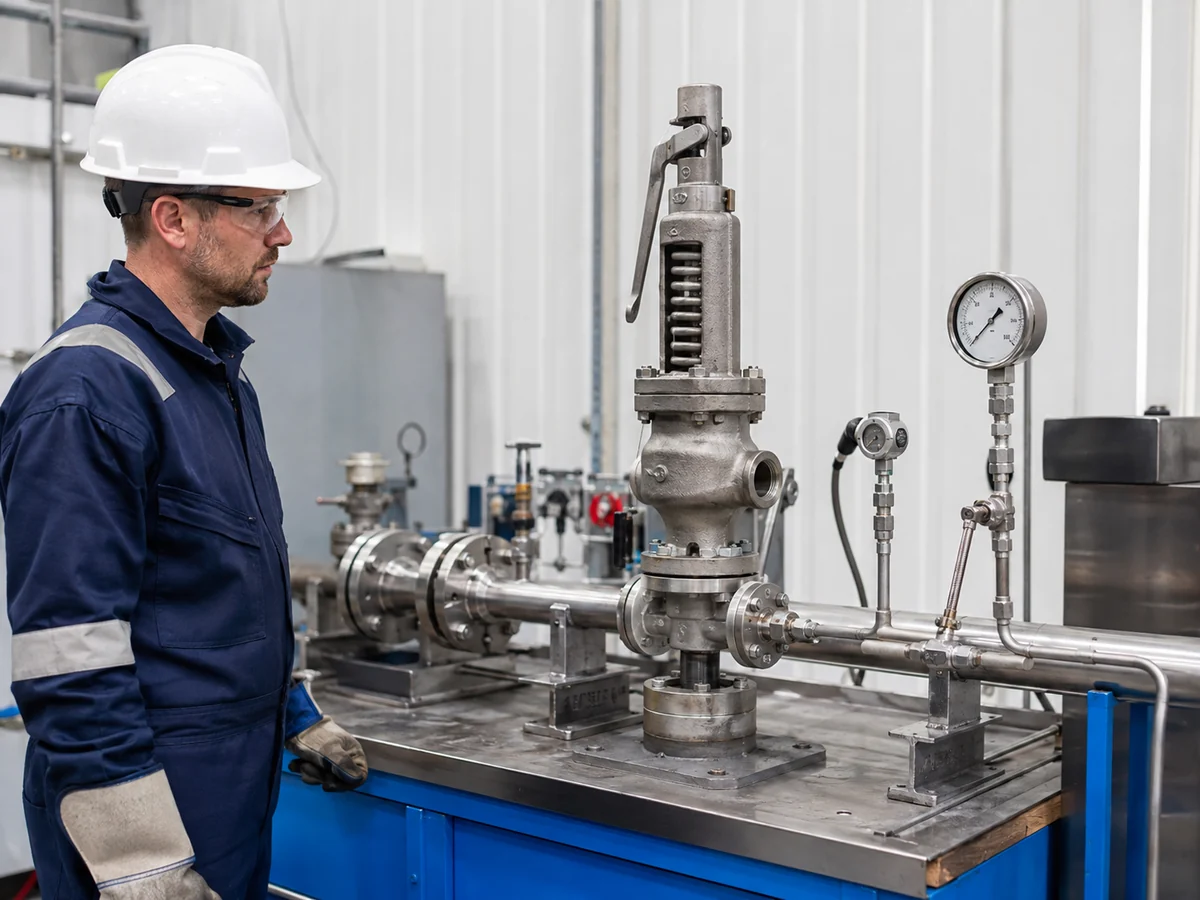
مشهد اختبار صناعي مفاهيمي؛ ليس دليلًا على نتيجة اختبار معتمدة محددة أو سجل منشأة ZOBAI.
ما يمكن أن يتحقق منه اختبار رفع ذراع صمام الأمان
يوفر ذراع الرفع وسيلة ميكانيكية لرفع التجميع المتحرك في تصميمات صمامات الأمان المجهزة خصيصًا لهذه الوظيفة. حيث يُسمح بالرفع اليدوي وفقًا للإجراء المطبق وتعليمات الشركة المصنعة وظروف التشغيل، يمكن أن يوفر الفحص دليلًا محدودًا على الحركة الميكانيكية.
الحركة الميكانيكية واستجابة الوصلات
قد يساعد فحص الرافعة في التأكد من أن:
- الرافعة الخارجية والوصلة قادرتان على الحركة؛;
- العمود أو آلية الرفع تستجيب للرافعة الخارجية؛;
- يمكن إزاحة القرص ميكانيكيًا من موضع الجلوس الخاص به؛;
- الآلية ليست عالقة بشكل واضح في ظل حالة الفحص المحددة؛;
- الآلية تتحرر بعد أن يحرر المشغل الرافعة.
المقاومة غير الطبيعية، أو الحركة غير المنتظمة، أو عدم اكتمال العودة، أو حركة الرافعة دون استجابة مقابلة من العمود/القرص يجب أن تؤدي إلى مزيد من التحقيق بدلاً من اختزالها إلى ملاحظة بسيطة بالنجاح/الفشل.
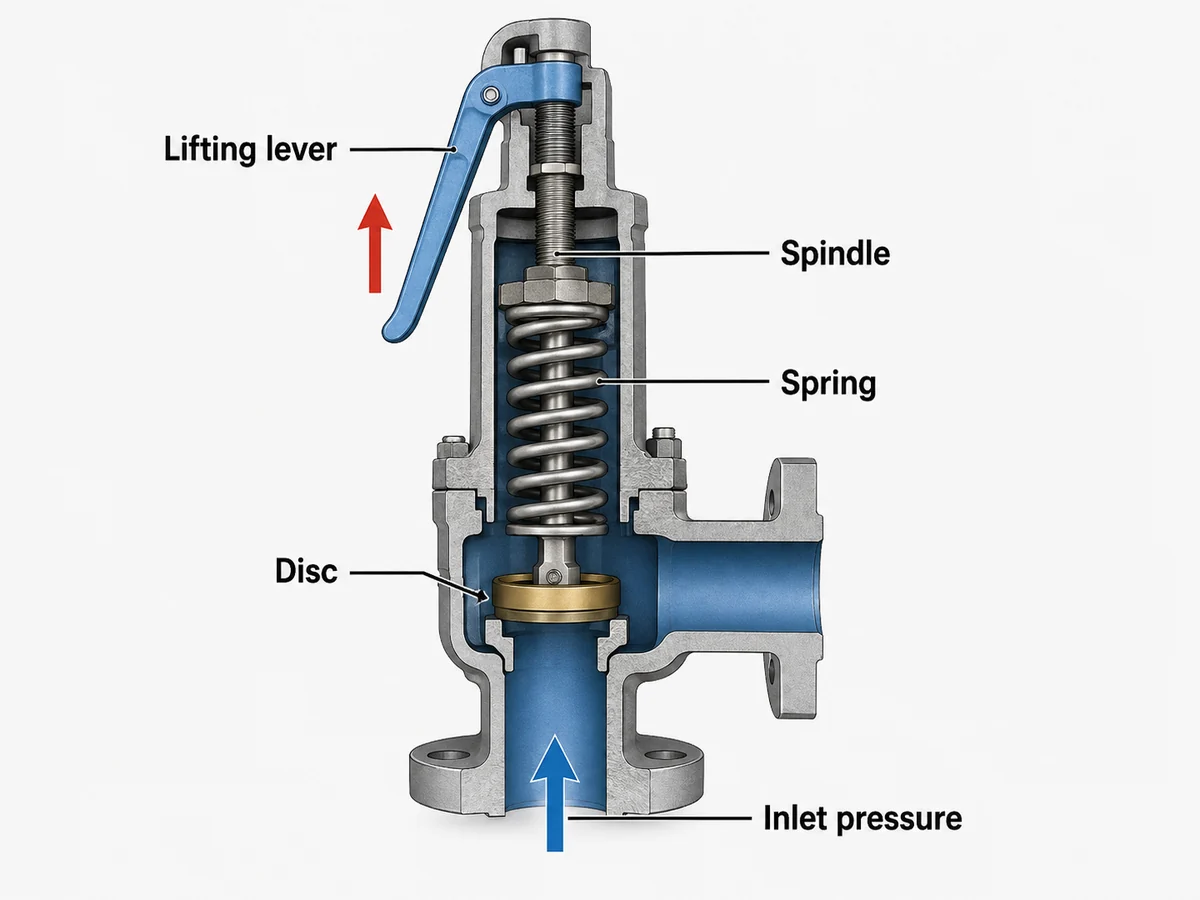
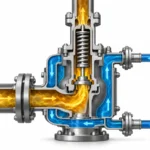
رسم توضيحي هندسي مبسط؛ وليس رسمًا تصنيعيًا أو بناءً داخليًا خاصًا بالطراز.
للحصول على سياق تكوين الصمام، راجع
صمامات أمان الرافعة.
ما لا يمكن لاختبار رافعة الرفع التحقق منه
الرفع اليدوي ليس استجابة ضغط تلقائية
أثناء الرفع اليدوي، تساعد القوة الميكانيكية التي يطبقها المشغل في حركة مجموعة الصمام. وهذا يختلف عن ارتفاع ضغط المدخل حتى تتغلب قوة الضغط على قوة إغلاق الصمام ويظهر الصمام استجابة الفتح المحددة القائمة على الضغط.
لا يثبت الفحص الناجح للرافعة:
- استجابة الضبط الفعلية؛;
- ضغط الاختبار التفاضلي البارد المطلوب حيثما ينطبق؛;
- المعايرة الصحيحة للنابض؛;
- سعة التنفيس المطلوبة أو المعتمدة/الموثقة؛;
- قبول إحكام المقعد الرسمي؛;
- أداء التنفيس الكامل أو إعادة الجلوس؛;
- فقد ضغط الدخول المقبول أو الضغط الخلفي عند المخرج؛;
- الامتثال الكامل للكود أو للنظام المركب.
حدود التفسير: تحريك الرافعة للصمام هو دليل على الاستجابة الميكانيكية في تلك الظروف. وهو ليس دليلاً على أن الصمام سيفتح تلقائياً عند ضبط الضغط المحدد أثناء حدث تنفيس حقيقي.
حركة الرافعة ليست دليلاً على السعة
تعتمد سعة التنفيس على سيناريو التنفيس الحاكم، والوسط وطوره، ومعدل التنفيس المطلوب، وضغط التنفيس، ودرجة حرارة التنفيس، ومنطقة التدفق المحددة، وخصائص الصمام، وأساس السعة المعتمد من الشركة المصنعة أو جهة الاعتماد. لا يمكن تحديد أي من هذه العوامل بمجرد رفع القرص.
مراجعة
حساب مقاسات صمامات الأمان وسعة التنفيس المعتمدة
عندما يكون السؤال الهندسي هو ما إذا كان الصمام قادراً على تمرير حمل التنفيس المطلوب.
ما يمكن أن يتحقق منه اختبار ضبط الضغط
يتناول اختبار ضبط الضغط الضغط الذي يُظهر عنده الصمام استجابة الفتح المحددة له في ظل ظروف اختبار خاضعة للتحكم. وبالتالي، فإنه يوفر دليلاً قائماً على الضغط بدلاً من دليل ميكانيكي مستحث يدوياً.
معلومات الحالة عند الاستلام وعند التسليم
بالنسبة لأعمال الصيانة والإصلاح، فإن التمييز بين كما وُجدت و كما تُركت المعلومات مهم.
الحالة عند الاستلام
يسجل استجابة الصمام قبل الضبط أو الإصلاح. يمكن أن يكشف عن الانحراف أو التلف أو تغير عن حالة الخدمة السابقة.
يسجل استجابة الصمام قبل الضبط أو الإصلاح. يمكن أن يكشف عن الانحراف أو التلف أو تغير عن حالة الخدمة السابقة.
الضبط / الإصلاح
يسجل ما تم تغييره، والمكونات التي تمت صيانتها أو استبدالها، وسبب تنفيذ العمل.
يسجل ما تم تغييره، والمكونات التي تمت صيانتها أو استبدالها، وسبب تنفيذ العمل.
كما تُرك
يسجل حالة الصمام بعد الضبط أو الإصلاح المعتمد قبل العودة إلى الخدمة.
يسجل حالة الصمام بعد الضبط أو الإصلاح المعتمد قبل العودة إلى الخدمة.
تسجيل القيمة النهائية فقط كما تُرك قد يخفي أدلة مفيدة حول الحالة التي وصل عليها الصمام للاختبار.
وسط الاختبار ودرجة الحرارة وCDTP تحتاج إلى سياق
لا ينبغي تلقائيًا اعتبار ضغط الضبط الخدمي مطابقًا لكل هدف اختبار على المنضدة. اعتمادًا على تصميم الصمام والإجراء المعتمد، يمكن أن يؤثر وسط الاختبار ودرجة الحرارة والضغط الخلفي الخدمي وضغط الاختبار التفاضلي البارد على حالة الاختبار المطلوبة.
عندما ينطبق CDTP أو أي تصحيح آخر، يجب أن تأتي القيمة من الإجراء المعمول به، أو بيانات الشركة المصنعة للصمام المختار، أو الكود المعتمد، أو متطلبات المشروع. لا ينبغي اختراع تصحيح عام أو نقله من صمام آخر.
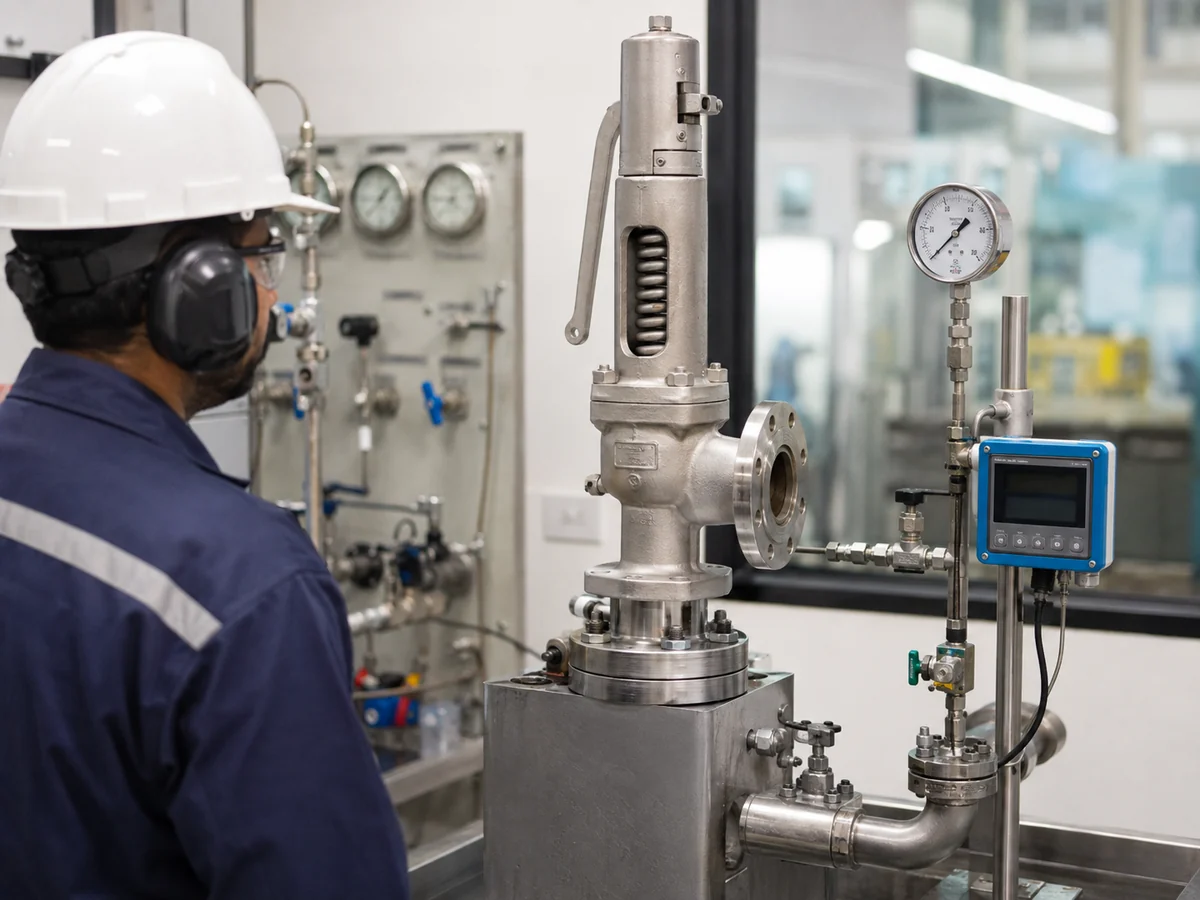
مشهد اختبار صناعي مفاهيمي؛ الأدوات المعروضة لا تمثل نتيجة معايرة ZOBAI فعلية.
ما لا يمكن لاختبار ضغط الضبط التحقق منه بمفرده
ضغط الضبط الصحيح لا يثبت السعة الكافية
يمكن للصمام أن يُظهر إعداد الفتح المطلوب ومع ذلك يكون حجمه غير كافٍ لسيناريو التفريغ الحاكم. ضغط الضبط يحدد متى يستجيب الصمام؛ أما السعة فتتناول ما إذا كان يمكن أن يمر تدفق كتلي أو حجمي كافٍ تحت ظروف التفريغ.
يجب تحديد سعة التفريغ المطلوبة بشكل منفصل ومقارنتها بالسعة المعتمدة أو الموثقة المقبولة للصمام المختار. يجب عدم التعامل مع أسس سعة البخار والغاز والسائل والثنائي الطور على أنها قابلة للتبادل.
المعايرة لا تغني عن اختبار إحكام المقعد
يمكن للصمام أن يفي بمتطلب ضغط الفتح ومع ذلك يظل يتسرب من خلال المقعد المغلق. لذلك قد تتطلب حالة سطح المقعد، والتلوث، والمحاذاة، أو حالة المقعد اللين، أو جودة الإصلاح تحقيقًا منفصلًا واختبار تسرب.
عندما يكون التحقق من إحكام المقعد مطلوبًا، راجع
اختبار إحكام المقعد API 527
الإرشادات بدلاً من التعامل مع معايرة ضبط الضغط كقبول للتسرب.
نتائج الاختبار على المقعد لا تحل محل مراجعة النظام المركب
لا يعيد الاختبار على المقعد إنتاج مسار التنفيس الكامل المركب. ضغط الضبط الصحيح وحده لا يثبت أن فقدان ضغط المدخل، أو مقاومة المخرج، أو الضغط الخلفي المتراكب، أو الضغط الخلفي المتجمع، أو تفاعل التفريغ، أو التصريف، أو حمل الأنابيب، أو ترتيب تنفيس الغطاء مقبولة. للمراجعة الخاصة بالتكوين، انظر
الضغط الخلفي والمنفاخ.
تنتمي أسئلة التركيب مثل هندسة الأنابيب، والدعم، والتصريف، والتفريغ الآمن إلى
دليل تركيب صمامات الأمان
ومراجعة الهندسة الفعلية للمشروع.
اختبار ذراع الرفع مقابل اختبار ضغط الضبط — مصفوفة الأدلة
| سؤال التحقق | فحص ذراع الرفع | اختبار ضغط الضبط | هل هناك حاجة إلى أدلة إضافية؟ |
|---|---|---|---|
| يتحرك الذراع/الوصلة الخارجية | دليل وظيفي محدود | ليس الغرض الأساسي منه | افحص إذا كانت الاستجابة غير طبيعية |
| يمكن إزاحة القرص/العمود ميكانيكيًا | دليل محدود | قد يُلاحظ أثناء الفتح | قد يظل الفحص الداخلي مطلوبًا |
| استجابة ضبط الضغط / الفتح المحددة | لا | تم التحقق منه وفق شروط اختبار محددة | إجراء معتمد وسجل اختبار |
| حالة الضبط كما وُجدت / كما تُركت | لا | نعم | تسجيل شروط الاختبار والتعديلات |
| إحكام المقعد | لا يوجد إثبات رسمي | ليس تلقائيًا | اختبار تسرب منفصل |
| سعة التنفيس المطلوبة | لا | لا | حساب سيناريو التنفيس |
| السعة المعتمدة/الموثقة | لا | لا | دليل من الشركة المصنعة / شهادة |
| أداء التفريغ / إعادة الإغلاق | لا | فقط إذا كان مدرجًا تحديدًا في إجراء الاختبار | اختبار الأداء المطبق |
| فقدان ضغط المدخل | لا | لا | مراجعة خطوط الأنابيب المثبتة |
| الضغط الخلفي المتراكب / المُجمّع | لا | لا يُحدد عادةً من خلال اختبار الضبط وحده | مراجعة تكوين النظام والصمام |
| كفاية الحماية الكاملة من الضغط المثبت | لا | لا | مراجعة هندسية شاملة |
حجم التوصيلة ≠ سعة التفريغ.
قد يتناسب صمام الاستبدال فيزيائيًا مع الشفة أو اللولب الموجود، ومع ذلك يكون له مساحة تدفق أو معامل أو سعة معتمدة أو أساس خدمة مطبق مختلف.
قد يتناسب صمام الاستبدال فيزيائيًا مع الشفة أو اللولب الموجود، ومع ذلك يكون له مساحة تدفق أو معامل أو سعة معتمدة أو أساس خدمة مطبق مختلف.
كيفية تفسير نتيجة اختبار دون مبالغة
يجب أن يربط سجل الصيانة المفيد كل نتيجة بسؤال هندسي محدد. تجنب اختزال عدة أسئلة قبول مستقلة في عبارة “ناجح” عامة واحدة.
| النتيجة الملاحظة | الاستنتاج الهندسي المعقول | الاستنتاج الذي لا يزال يتطلب أدلة |
|---|---|---|
| تحركت الذراع والوصلة | لوحظت الحركة الميكانيكية في ظل حالة الفحص | قبول ضبط الضغط المحدد والسعة وإحكام المقعد |
| عاد الصمام بعد تحرير الذراع | عادت الآلية نحو الوضع المُقعد | الامتثال الرسمي لإحكام المقعد |
| تم فتح الصمام عند حالة اختبار المقعد المطلوبة | تم التحقق من استجابة الفتح المعتمدة على الضغط لحالة الاختبار تلك | السعة المطلوبة وكفاية النظام المركب |
| ضبط الضغط كما تُرك مقبول | استوفى الصمام المعدل أساس قبول ضبط الضغط المعتمد | لماذا تغيرت الحالة كما وُجدت وما إذا كانت الخدمة تسببت في انحراف أو تلف |
| حجم وصلة الاستبدال متطابق | قد تكون الواجهة الفيزيائية متوافقة | السعة المكافئة والمواد وتكوين الصمام وملاءمة الكود |
لماذا يمكن أن يجتاز الصمام اختبارًا واحدًا ولا يزال لديه مشكلة أخرى
سيناريو هندسي مركب للتدريب
تتحرك الرافعة، لكن ضبط الضغط غير صحيح
المشكلة الملاحظة: تتحرك الرافعة بحرية ويبدو أن الصمام يعود، لكن الاختبار المعتمد على الضغط خارج هدف ضبط الضغط المعتمد.
السبب الهندسي: الرفع اليدوي يثبت فقط حركة ميكانيكية محدودة؛ حالة الزنبرك أو الضبط أو سجل الخدمة يمكن أن تؤثر على ضبط الضغط.
التصحيح: سجل النتيجة كما وُجدت، وافحص الآلية ذات الصلة، واضبط أو أصلح فقط وفقًا للإجراء المعتمد قبل تكرار الاختبار المعتمد على الضغط.
الوقاية: احتفظ بسجلات كما وُجدت/كما تُركت وحقق في الانحراف المتكرر بدلاً من استخدام فحص الرافعة الناجح كدليل معايرة.
سيناريو هندسي مركب للتدريب
ضبط الضغط ينجح، لكن التسرب يبقى
المشكلة الملاحظة: يستوفي الصمام حالة اختبار ضبط الضغط المحددة لكنه لا يستوفي متطلب إحكام المقعد المنفصل.
السبب الهندسي: معايرة الفتح وإحكام المقعد المغلق هما مسألتان مختلفتان للأداء؛ التلوث أو تلف سطح المقعد أو المحاذاة أو حالة الختم يمكن أن تؤثر على التسرب.
التصحيح: نفذ تقييم التسرب المطبق، وافحص مكونات المقعد، وأكمل مسار الإصلاح المعتمد إذا لم يتم استيفاء معيار القبول.
الوقاية: احتفظ بنتائج ضبط الضغط وإحكام المقعد كبنود قبول منفصلة في وثائق الاختبار والإصلاح.
سيناريو هندسي مركب للتدريب
ضبط الضغط صحيح، لكن السعة لا تزال غير مؤكدة
المشكلة الملاحظة: صمام بديل يناسب الأنابيب ويجتاز معايرة ضبط الضغط، لكن العملية المحمية تم تعديلها.
السبب الهندسي: قد يكون حمل التصريف الحاكم أو خصائص المائع أو نظام التصريف قد تغير حتى لو بقي حجم الوصلة وضغط الضبط دون تغيير.
التصحيح: أعد التحقق من سيناريو التنفيس والسعة المطلوبة، ثم قارن النتيجة مع السعة الموثقة للصمام المختار للمائع وظروف التنفيس المطبقة.
الوقاية: أدرج مراجعة تنفيس الضغط في إدارة التغيير كلما تغيرت إنتاجية العملية أو التركيب أو المدخلات الحرارية أو حالات انسداد المخرج أو ظروف المجمع المشترك.
إحكام المقعد والسعة والتفريغ أسئلة تحقق منفصلة
إحكام المقعد
إحكام المقعد يتناول التسرب عبر الصمام المغلق ويتطلب أساس قبول خاص به حيث ينطبق هذا الاختبار.
سعة التنفيس
تبدأ سعة التنفيس المطلوبة من المعدات المحمية وسيناريو التنفيس الحاكم. يجب بعد ذلك تأكيد سعة الصمام المختار مقابل أساس المائع ذي الصلة وظروف التنفيس وبيانات الشركة المصنعة أو الشهادات المقبولة.
التنفيس وإعادة الجلوس
ضغط الضبط وسلوك الإغلاق معلمتان مرتبطتان لكن غير قابلتين للتبادل. لا ينبغي الادعاء بأن أداء التفريغ أو إعادة الإحكام تم التحقق منه إلا عندما يقيسه ويقيمه الإجراء المطبق فعليًا. للاطلاع على الحدود الاصطلاحية بين هذه المتغيرات، انظر
ضغط الضبط والضغط الزائد والتفريغ.
ما الذي يجب أن يحدث بعد نتيجة اختبار غير طبيعية
| الملاحظة | احتمال وجود مشكلة هندسية | الفحص التالي |
|---|---|---|
| الذراع لا يتحرك بشكل طبيعي | انحشار، تآكل، تلف في الوصلات، رواسب أو مشكلة في التجميع | توقف عن التعامل مع فحص الذراع كدليل روتيني؛ افحص الآلية وفقًا لإجراء الصيانة المعتمد |
| الذراع يتحرك لكن استجابة القرص غير مؤكدة | فقدان الحركة، مشكلة في الوصلات أو حركة داخلية غير مؤكدة | تحقق من مجموعة الرفع والحالة الداخلية قبل قبول النتيجة الوظيفية |
| الصمام لا يعود بشكل طبيعي | انحشار ميكانيكي، تلف في المقعد، تلوث أو عدم محاذاة | مزيد من الفحص واختبار التسرب المنطبق |
| ضبط الضغط كما وُجد يختلف عن المتطلب المعتمد | انحراف في الضبط، حالة الزنبرك، تأثير الخدمة أو ضبط سابق غير صحيح | وثّق الحالة كما وُجدت، وحقق في السبب، ثم اضبط فقط وفقًا للإجراء المعتمد |
| ضبط الضغط ناجح لكن يبقى تسرب | حالة المقعد/السداد أو التلوث | تقييم منفصل لإحكام المقعد ومراجعة الإصلاح |
| الصمام يجتاز اختبار المقعد لكن النظام تغير | سيناريو التنفيس الأصلي أو السعة أو أساس الضغط الخلفي قد لا يكون صالحًا بعد الآن | مراجعة هندسية لإدارة التغيير ونظام التنفيس |
لا تُجبر صمامًا تالفًا أو غير مؤكد الحالة على اجتياز فحص الرافعة اليدوية لمجرد الحصول على نتيجة ناجحة.
إذا كانت حالة الصمام أو التعرض للعملية أو سلامة التفريغ غير مؤكدة، فاتبع إجراء الصيانة والعزل والفحص المعتمد للتركيب الفعلي.
إذا كانت حالة الصمام أو التعرض للعملية أو سلامة التفريغ غير مؤكدة، فاتبع إجراء الصيانة والعزل والفحص المعتمد للتركيب الفعلي.
متى لا ينبغي التعامل مع فحص ذراع الرفع كاختبار روتيني شامل
قبل التفكير في الرفع اليدوي، تأكد مما يلي:
- أن الصمام المحدد مصمم بجهاز رفع مناسب؛;
- أن الكود المعتمد والجهة القضائية وإجراءات المالك-المستخدم تسمح بالفحص المقصود؛;
- أن تعليمات الشركة المصنعة تدعم الاختبار في ظل حالة التشغيل الفعلية؛;
- أن ضغط العملية وحالة الخدمة مناسبان للإجراء المعتمد؛;
- أن الوسط ومسار التفريغ لا يشكلان تعرضًا غير مقبول للأفراد أو البيئة؛;
- أنه تم أخذ الخدمة السامة أو المسببة للتآكل أو المتسخة أو المتبلمرة أو المتكثفة أو غيرها من الخدمات الخطرة في الاعتبار؛;
- أن الصمام غير مشتبه فيه بالفعل بتلف ميكانيكي خطير.
لا تنسخ نسبة ضغط رفع عالمية واحدة في كل إجراء صيانة. يجب تأكيد الحالة الفعلية وفقًا لكود المعدات المعتمد وتصميم الصمام وتعليمات الشركة المصنعة وإجراءات المالك-المستخدم والجهة القضائية.
ما الذي يجب على فرق الصيانة وضمان الجودة تسجيله
“عبارة ”صمام الأمان تم اختباره — جيد" توفر معلومات قليلة جدًا للمهندس أو المفتش أو مراجع الإصلاح التالي. يجب أن يميز السجل المفيد بين الاختبار الذي تم إجراؤه وحالة الاختبار والأدلة التي تم الحصول عليها فعليًا. لإطار الفحص الأوسع، انظر
دليل صيانة وفحص صمامات الأمان.
- الشركة المصنعة للصمام وتحديد الهوية
- معلومات اللوحة الاسمية.
- المعدات المحمية
- وسط الخدمة والطور
- نوع الاختبار الذي تم إجراؤه
- وسط الاختبار
- إجراء الاختبار المطبق
- ضغط الضبط كما وُجد
- هدف الاختبار المطلوب / CDTP حيثما ينطبق
- التعديل الذي تم إجراؤه
- ضبط الضغط كما هو عند التسليم
- نتيجة إحكام المقعد إذا تم اختباره بشكل منفصل
- الحالة الميكانيكية الملاحظة
- الأجزاء التي تم فحصها أو إصلاحها أو استبدالها
- تعريف الزنبرك أو المقعد الناعم عند الاقتضاء
- بيانات التتبع أو إعادة الختم عند الاقتضاء
- تعريف معدات الاختبار عند الحاجة
- متطلبات المشروع / الكود / المالك-المستخدم المعمول بها
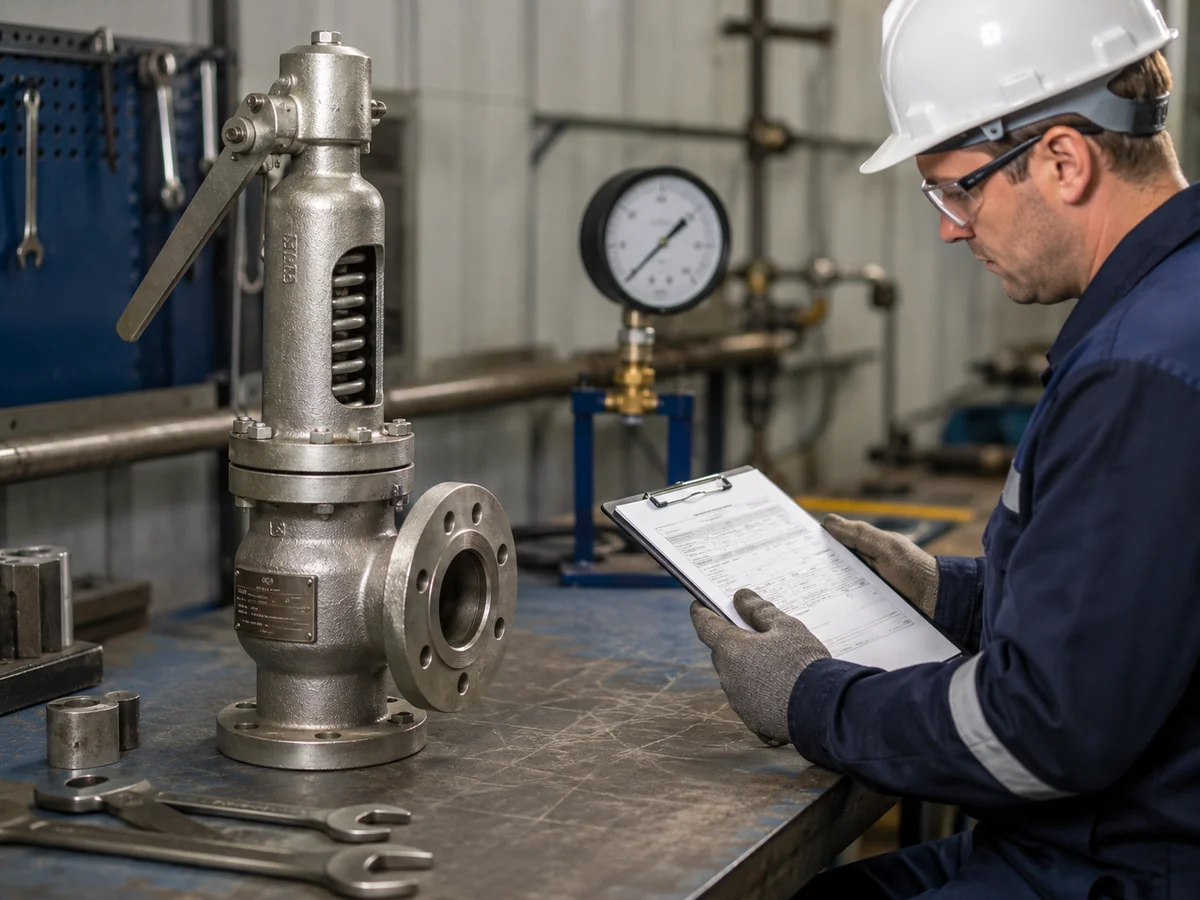
مشهد توثيقي مفاهيمي؛ لا يمثل أي نموذج معروض شهادة فعلية أو تقرير اختبار للعميل.
سير عمل القرار: ما الأدلة التي تحتاجها فعليًا؟
هل تحتاج إلى دليل على أن الرافعة وسلسلة الرفع الميكانيكية يمكن أن تتحرك؟
قد يوفر الفحص الوظيفي المسموح به لرافعة الرفع دليلاً ميكانيكياً محدوداً.
قد يوفر الفحص الوظيفي المسموح به لرافعة الرفع دليلاً ميكانيكياً محدوداً.
هل تحتاج إلى التحقق من استجابة الفتح المحددة القائمة على الضغط؟
استخدم اختبار ضبط الضغط المطبق وسجل حالة الاختبار الفعلية وأساس القبول.
استخدم اختبار ضبط الضغط المطبق وسجل حالة الاختبار الفعلية وأساس القبول.
هل تحتاج إلى التحقق من تسرب المقعد المغلق؟
استخدم اختبار إحكام المقعد المطبق بدلاً من استنتاج أداء التسرب من معايرة ضغط الضبط.
استخدم اختبار إحكام المقعد المطبق بدلاً من استنتاج أداء التسرب من معايرة ضغط الضبط.
هل تحتاج إلى التحقق من سعة التصريف المطلوبة؟
راجع سيناريو التصريف الحاكم، والوسط والطور، ومعدل التصريف المطلوب، ودرجة حرارة التصريف، وضغط التصريف، وأدلة سعة الصمام المقبولة.
راجع سيناريو التصريف الحاكم، والوسط والطور، ومعدل التصريف المطلوب، ودرجة حرارة التصريف، وضغط التصريف، وأدلة سعة الصمام المقبولة.
هل تحتاج إلى التحقق من الحماية المركبة الكاملة؟
راجع ضغط التشغيل، وMAWP/ضغط التصميم، وضغط الضبط، وفقدان الدخول، والضغط الخلفي المتراكب، والضغط الخلفي المتراكم، وأنابيب التصريف، والتفاعل/الدعم، والصرف، وتكوين الصمام، والمواد، ومتطلبات المشروع/الكود المطبقة.
راجع ضغط التشغيل، وMAWP/ضغط التصميم، وضغط الضبط، وفقدان الدخول، والضغط الخلفي المتراكب، والضغط الخلفي المتراكم، وأنابيب التصريف، والتفاعل/الدعم، والصرف، وتكوين الصمام، والمواد، ومتطلبات المشروع/الكود المطبقة.
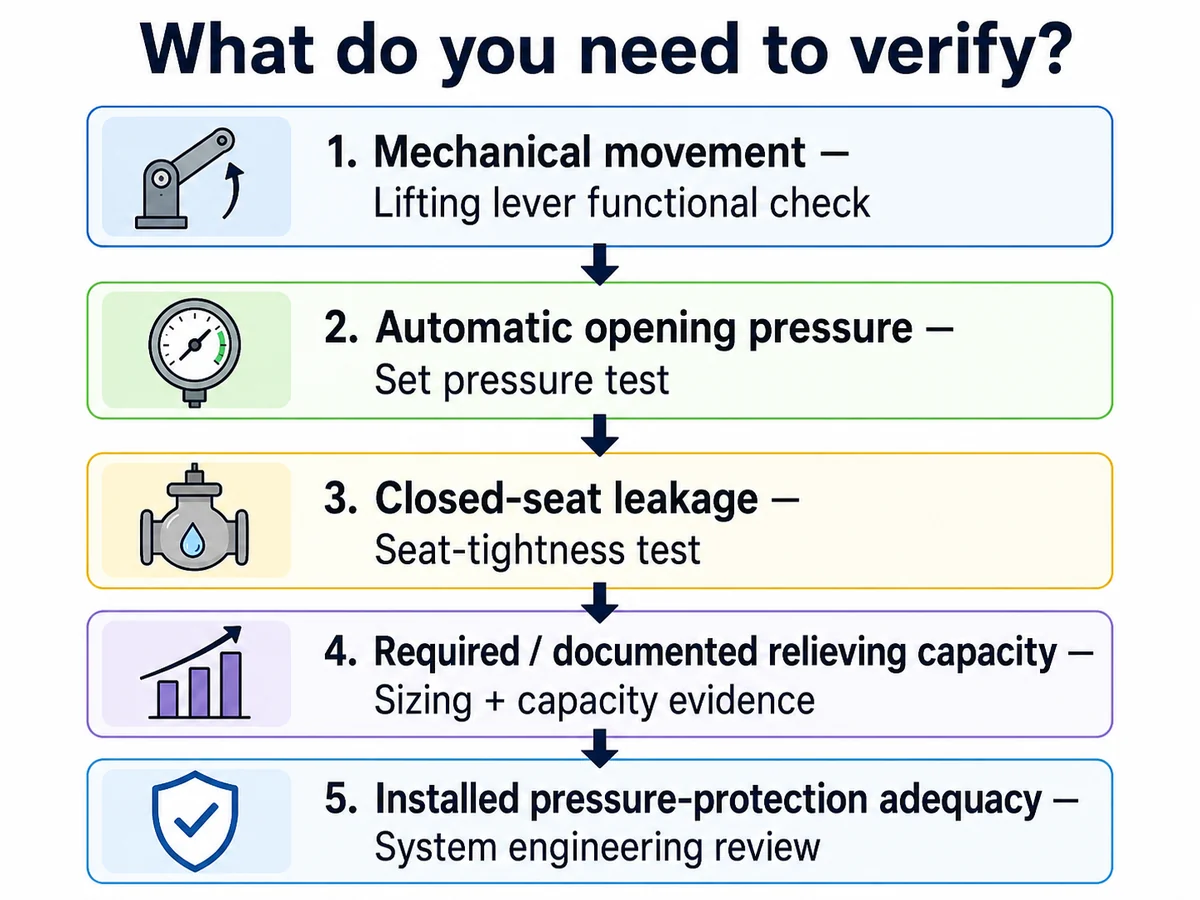
أداة مساعدة مبسطة لاتخاذ القرار الهندسي؛ لا يزال القبول الخاص بالمشروع يتطلب الإجراء المطبق والأساس الهندسي.
لمراجعة نظام أوسع، استخدم
هندسة صمامات الأمان المركز الرئيسي.
لا تعتمد استبدال الصمام بناءً على نتيجة الاختبار وحدها
لا ينبغي قبول صمام بديل لمجرد أنه اجتاز اختبار ضغط الضبط أو يشترك في أبعاد الدخول والخروج الاسمية للصمام القديم.
قبل قبول الاستبدال، تأكد من:
- أن المعدات المحمية وسيناريو التصريف الحاكم لم يتغيرا أو تم إعادة التحقق منهما؛;
- أن سعة التصريف المطلوبة لا تزال سارية؛;
- أن الصمام المحدد لديه أساس سعة موثق مناسب؛;
- أن تكوين الصمام مناسب لظروف الضغط الخلفي الفعلية؛;
- أن الوسط والطور ودرجة حرارة التصريف متوافقة مع المواد المختارة ونظام المقعد/الختم؛;
- النابض، والمنفاخ، والأجزاء المبللة ذات الصلة مناسبة للخدمة؛;
- وصلات المدخل/المخرج وتقييمات الضغط ودرجة الحرارة صحيحة؛;
- متطلبات المشروع/الكود المعتمد والوثائق مستوفاة.
المعلومات الواجب تأكيدها قبل طلب عرض السعر أو الإصلاح أو الاستبدال
لا ترسل حجم الصمام الاسمي فقط. قبل عرض السعر أو مراجعة الإصلاح أو الاستبدال، قم بتوفير مدخلات الحماية الفعلية من الضغط حيثما كانت متاحة:
- المعدات المحمية
- سيناريو التنفيس الحاكم
- الوسط والطور
- ضغط التشغيل
- أقصى ضغط تشغيل آمن (MAWP) أو ضغط التصميم
- ضغط الضبط
- سعة التنفيس المطلوبة وأساس الحساب
- درجة حرارة التنفيس
- الضغط الخلفي المتراكب
- الضغط الخلفي المتراكم
- تفاصيل وصلة المدخل والمخرج
- مواد الجسم / الفوهة / القرص / الدليل حيثما كانت ذات صلة
- نوع المقعد / الختم
- متطلبات النابض والمنفاخ حيثما كانت قابلة للتطبيق
- لوحة اسم الصمام الحالية أو ورقة البيانات
- سجلات الاختبار السابقة كما وُجدت / كما تُركت
- الكود / مواصفات المشروع المعمول بها
- حزمة الفحص والمعايرة والوثائق المطلوبة
أسئلة متكررة
هل يثبت اختبار رفع الذراع الناجح أن ضبط صمام الأمان صحيح؟
لا. فحص ذراع الرفع يطبق قوة ميكانيكية على المجموعة المتحركة. وهو لا يقيس ضغط الدخول الذي سيُظهر عنده الصمام استجابة الفتح التلقائي المحددة له.
هل يمكن لاختبار رافعة الرفع أن يحل محل اختبار الضبط للضغط؟
لا، عندما لا يكون التحقق من ضبط الضغط مطلوبًا. يوفر فحص الذراع دليلًا محدودًا على الوظيفة الميكانيكية، بينما يوفر اختبار ضغط الضبط دليلًا على الفتح بناءً على الضغط تحت ظروف اختبار محددة.
هل يثبت اختبار الضبط للضغط أن الصمام لديه سعة تخفيف كافية؟
لا. يجب أن تأتي السعة التفريغية المطلوبة من سيناريو التفريغ الحاكم وأن تتم مقارنتها مع أساس السعة المعتمد أو الموثق المقبول للصمام المختار للوسط وظروف التفريغ المعمول بها.
هل اجتياز اختبار الضغط المحدد يعني أن الصمام لن يتسرب؟
ليس بالضرورة. ضبط الضغط وإحكام المقعد هدفان منفصلان للاختبار. حيثما يكون قبول التسرب مطلوبًا، يجب التحقق منه باستخدام إجراء إحكام المقعد المنطبق.
لماذا يجب تسجيل كل من ضغط الضبط كما وُجد (as-found) وضغط الضبط كما تُرك (as-left)؟
تُظهر بيانات الحالة كما وُجدت الحالة المستلمة من الخدمة، بينما تسجّل بيانات الحالة كما تُركت الحالة بعد التعديل أو الإصلاح المصرح به. يساعد الاحتفاظ بكليهما في تحديد الانحراف ومشاكل الصيانة والتغيرات بمرور الوقت.
هل يمكن رفع كل صمام أمان يدويًا أثناء التشغيل؟
لا ينبغي افتراض أي قاعدة عامة. يجب أولاً التحقق من تصميم الصمام، ووسط التشغيل، وظروف العملية، وسلامة التفريغ، وتعليمات الشركة المصنعة، والكود المعتمد، والاختصاص القضائي، وإجراءات المالك-المستخدم.
هل يمكن اختيار صمام بديل بناءً على حجم التوصيلة وضبط الضغط فقط؟
لا. يجب أن تؤكد مراجعة الاستبدال أيضًا سيناريو التخفيف الحاكم، والسعة المطلوبة والموثقة، وظروف التخفيف، والضغط الخلفي، والمواد، وتكوين الصمام، وتصنيف التوصيل، ومتطلبات المشروع/الكود المعمول بها.
المراجع الفنية الرسمية
تدعم هذه المصادر النطاق الهندسي والمصطلحات المستخدمة في هذه المقالة. وهي لا تثبت شهادة أو امتثال صمام ZOBAI محدد. لمشروع فعلي، تحقق من الإصدار المعتمد بواسطة كود المعدات ومواصفات المالك-المستخدم والسلطة المختصة.
-
ASME BPVC القسم XIII — قواعد الحماية من الضغط الزائد
— يسرد ASME حاليًا إصدار 2025 ويحدد التصميم والمواد والفحص والتجميع والاختبار والوسم ضمن موضوعات قسم أجهزة تخفيف الضغط. -
ISO 4126-1:2013 — صمامات الأمان
— تنص ISO على أن هذا الإصدار تمت مراجعته وتأكيده في 2025 ولا يزال ساريًا؛ وهو معيار منتج لصمامات الأمان وليس طريقة تصميم تطبيق كاملة. -
API RP 576 — فحص أجهزة تخفيف الضغط
— تحدد API الممارسة RP 576 كممارسة الفحص الخاصة بها لأجهزة تخفيف الضغط؛ وتدرج مواد الشهادة الحالية API الإصدار الخامس، سبتمبر 2024. تحقق من الإصدار المعتمد من قبل المشروع. -
المجلس الوطني — اعتبارات درجة الحرارة لتطبيق صمام تخفيف الضغط
— يشرح سبب أهمية وسيط الاختبار ودرجة الحرارة وظروف ضبط الضغط البارد عند ربط نتيجة اختبار بالخدمة.
المعايير والمراجع الفنية هي مصادر أدلة، وليست بديلاً عن بيانات الشركة المصنعة للصمام المختار، أو حساب سيناريو التخفيف، أو مواصفات المشروع، أو المتطلبات التنظيمية.
المعايير والقيود الهندسية
تختلف متطلبات اختبار وقبول صمامات الأمان باختلاف المعدات المحمية، وتصميم الصمام، والخدمة، ووسط الاختبار، والاختصاص القضائي، والمعيار أو إصدار الكود المعتمد.
أسماء المعايير في هذه المقالة تشرح النطاق الهندسي فقط. وهي لا تعني أن كل منتج من منتجات ZOBAI يحمل تلقائياً كل اعتماد أو شهادة أو علامة مشار إليها.
هل تحتاج إلى تأكيد ما يثبته اختبارك الحالي فعليًا؟
أرسل المعدات المحمية، وسيناريو التفريغ، والوسط والطور، وضغط التشغيل، وضغط MAWP/التصميم، وضبط الضغط، وسعة التفريغ المطلوبة، ودرجة حرارة التفريغ، والضغط الخلفي المتراكب والمتولد، وتفاصيل التوصيل، ولوحة اسم الصمام، وسجلات الاختبار المتاحة قبل وبعد التشغيل للمراجعة الهندسية.