دليل اختيار وصلة صمام الأمان: صمام أمان ملولب أم بفلنجة؟ تأكيد الوصلة قبل طلب عرض السعر. يستخدم صمام الأمان الملولب وصلة ملولبة على المدخل أو المخرج أو كلا الجانبين. يستخدم صمام الأمان ذو الفلنجة وصلة فلنجة مسمارية مع حشية ووجه فلنجة وترتيب مسامير. الاختيار ليس مجرد مسألة ...

دليل اختيار وصلة صمام الأمان
صمام أمان ملولب أم بفلنجة؟ تأكيد الوصلة قبل طلب عرض السعر
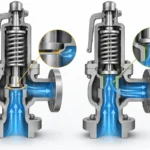
يستخدم صمام الأمان الملولب وصلة ملولبة على المدخل أو المخرج أو كلا الجانبين. يستخدم صمام الأمان ذو الفلنجة وصلة فلنجة مسمارية مع حشية ووجه فلنجة وترتيب مسامير. الاختيار ليس مجرد مسألة حجم أو مظهر. يجب على المشترين التأكد مما إذا كان الصمام يمكن توصيله فعليًا، وإغلاقه بشكل صحيح، وملاءمته لمساحة التركيب، ومطابقته لظروف الضغط ودرجة الحرارة، وتلبية مواصفات المشروع.
يساعد هذا الدليل المهندسين وفرق المشتريات ومستخدمي الصيانة على مقارنة متطلبات وصلات الصمامات الملولبة وذات الفلنجات قبل طلب عرض سعر من ZOBAI. يجب استخدامه مع المعدات المحمية الفعلية، وسيناريو التنفيس، والوسط، وضغط التشغيل، أو الحد الأقصى لضغط التصميم (MAWP)، أو ضغط التصميم، وضغط الضبط، وسعة التنفيس المطلوبة، ودرجة حرارة التنفيس، والمواد، ومساحة التركيب، ومتطلبات الوثائق.
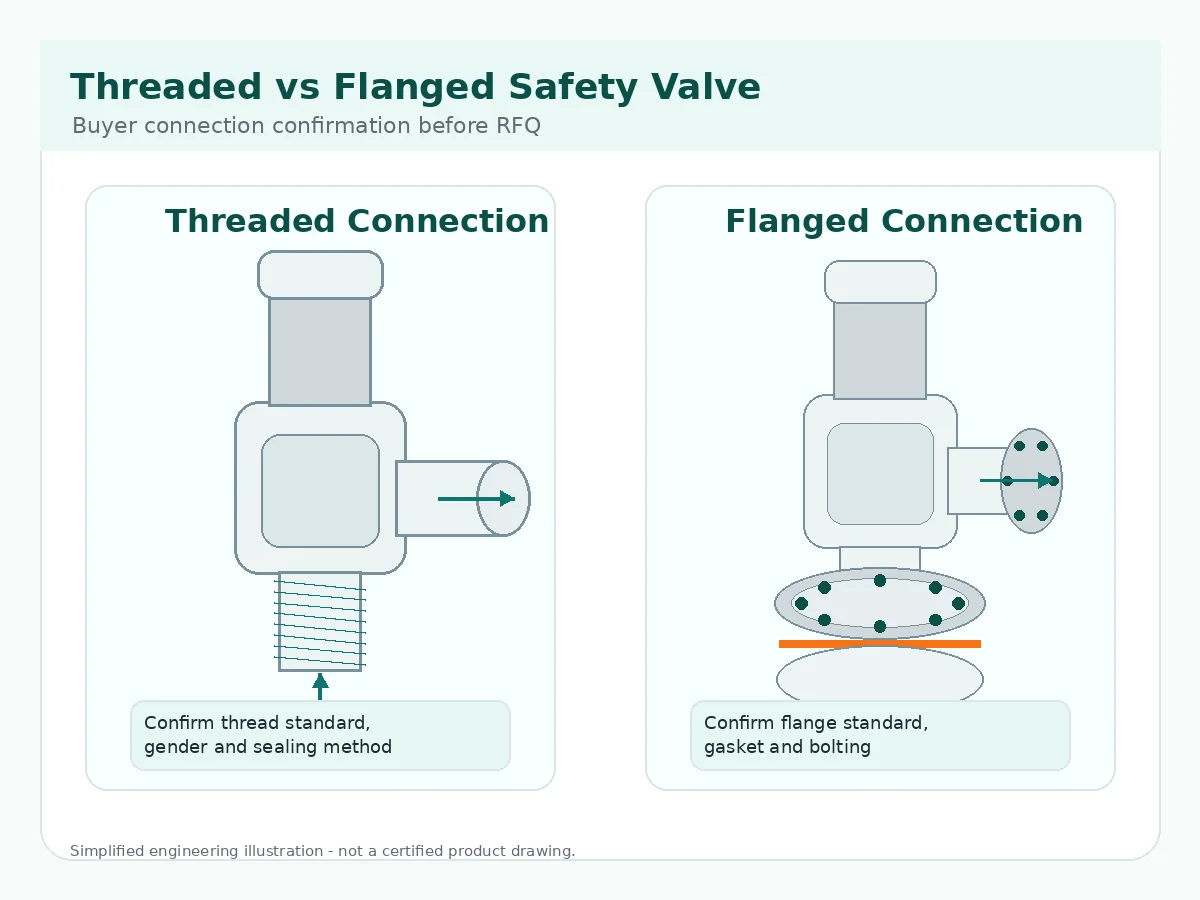
إجابة سريعة: صمامات الأمان الملولبة مقابل صمامات الأمان بفلنجة
يمكن اعتبار صمام الأمان الملولب عندما يكون توصيل المعدات أو الأنابيب ملولبًا وتسمح ظروف الخدمة ومساحة التركيب ومتطلبات المشروع بذلك. قد يكون صمام الأمان بفلنجة مطلوبًا عندما يستخدم خط الأنابيب في الموقع فلنجات، أو تتطلب مواصفات المشروع معيار فلنجة، أو يحتاج المشتري إلى تجميع مثبت بمسامير والتحكم في الحشية وسهولة الوصول للصيانة.
نوع التوصيل وحده ليس مواصفات كاملة لصمام الأمان. لا يزال يتعين على المشتري تأكيد المعدات المحمية، وسيناريو التنفيس، والوسط وحالته، وضغط التشغيل، أو الحد الأقصى لضغط التشغيل الآمن (MAWP) أو ضغط التصميم، وضغط الضبط، وسعة التنفيس المطلوبة، ودرجة حرارة التنفيس، والمادة، وترتيب المدخل والمخرج، ومخاطر فقدان ضغط المدخل، وخط الأنابيب المخرج، والضغط الخلفي إن وجد، والمستندات المطلوبة.
للسياق الخاص بعائلة المنتجات، راجع ZOBAI صمامات أمان, صمامات أمان ملولبة و صمامات أمان بفلنجة.
لماذا لا يمكن للمشترين الاختيار بناءً على اسم نوع التوصيل وحده
تتمثل إحدى المشكلات الشائعة في طلبات عروض الأسعار (RFQ) في أن المشترين يصفون نمط التوصيل فقط. قد يكتبون “صمام أمان ملولب” أو “صمام أمان بفلنجة” دون تقديم معيار التوصيل الفعلي، أو التصنيف، أو طريقة الإحكام، أو مخطط التركيب. هذا يخلق عدم يقين في عروض الأسعار ويمكن أن يؤدي إلى قطع خاطئة، أو تكرار الاستيضاح، أو تأخير التركيب، أو تسرب أثناء اختبار الضغط.
يجب التعامل مع توصيل صمام الأمان كجزء من نظام حماية الضغط الكامل. يجب أن يتناسب التوصيل مع المعدات أو الأنابيب، ولكن يجب أن يلبي الصمام أيضًا واجب الأمان المطلوب. قد يكون الصمام الذي يتناسب ميكانيكيًا خاطئًا إذا كان ضغط الضبط، أو السعة المطلوبة، أو الوسط، أو درجة الحرارة، أو المادة غير صحيحة.
اسم التوصيل لا يحدد المعيار
“كلمة ”ملولب“ لا تخبر المورد ما إذا كان التوصيل يستخدم معيارًا معينًا للسن، أو حجمًا، أو نوعًا، أو طريقة إحكام. كلمة ”بفلنجة" لا تخبر المورد ما إذا كانت الفلنجة تتبع معيار ASME، أو EN، أو DIN، أو JIS، أو معيار مشروع آخر. كما أنها لا تؤكد تصنيف الضغط، أو تصنيف PN، أو نوع السطح، أو نمط المسامير، أو متطلبات الحشية أو المسامير.
حجم التوصيل لا يثبت سعة التنفيس
حجم التوصيل ليس هو نفسه سعة التنفيس المطلوبة. صمام الأمان ذو التوصيل الأكبر لا يوفر تلقائيًا السعة الصحيحة، وصمام الأمان بنفس الحجم الاسمي للمدخل لا يمتلك تلقائيًا نفس أداء التدفق. يعتمد اختيار السعة على سيناريو التنفيس، وخصائص السائل، وضغط التنفيس، ودرجة حرارة التنفيس، وتصميم الصمام المختار، وبيانات الشركة المصنعة.
مساحة التركيب وإمكانية الوصول للصيانة يمكن أن تغير القرار
قد يبدو التوصيل الملولب مدمجًا، ولكنه لا يزال يحتاج إلى مساحة للمفتاح، ومساحة لإدخال السن، وتوجيه للمخرج، وتوجيه آمن للتفريغ. قد يتطلب التوصيل بفلنجة مساحة تركيب أكبر، ولكنه يمكن أن يوفر وصولاً واضحًا للمسامير، واستبدال الحشية، وفك التجميع. للحصول على قضايا أوسع تتعلق بملاءمة الموقع، راجع دليل اختيار صمامات الأمان.
مصفوفة القرار المبدئي للتوصيل
المصفوفة أدناه هي أداة فحص من جانب المشتري. لا تحل محل مراجعة هندسة المشروع. تساعد في تحديد اتجاه التوصيل الذي قد يكون أكثر عملية قبل الانتهاء من طلب عروض الأسعار.
| حالة المشتري | يمكن النظر في صمام الأمان الملولب عندما | يمكن النظر في صمام الأمان ذي الفلنجة عندما | البيانات المطلوبة قبل الاختيار |
|---|---|---|---|
| اتصال الموقع الحالي | يحتوي الجهاز أو الأنابيب المحمية على منفذ ملولب مؤكد. | تستخدم مواصفات الأنابيب فلنجات متزاوجة. | الصور، الرسومات، معيار الاتصال، تفاصيل المدخل/المخرج. |
| مساحة التركيب | تتوفر مساحة مدمجة ولكن لا يزال الوصول باستخدام مفتاح ربط وإشراك اللولب ممكنًا. | توجد مساحة كافية لقطر الفلنجة، البراغي، الصواميل، الحشية وأدوات الصيانة. | تخطيط التركيب، المعدات المحيطة، اتجاه التفريغ. |
| نهج الصيانة | الاستبدال غير متكرر ويمكن إدارة مخاطر تلف اللولب. | يفضل إمكانية الإزالة بالبراغي، أو استبدال الحشية، أو سهولة التفكيك. | إمكانية الوصول للصيانة، خطة الرفع/الدعم، متطلبات الحشيات/البراغي الاحتياطية. |
| إحكام التوصيل | يتم تأكيد معيار اللولب وطريقة الإحكام وملاءمتهما للوسط. . | يتم تحديد الحشية والوجه وطريقة الربط بواسطة المشروع. | مادة الإحكام، مادة الحشية، درجة الحرارة، توافق الوسط. |
| وثائق المشروع | يقبل المشروع التوصيل الملولب ونطاق فحصه. | يتطلب المشروع معيار فلنجة محدد، وتصنيف/فئة، وحزمة مستندات. | المعيار المطبق، سجلات الاختبار، شهادات المواد، نطاق الفحص. |
حدود الاختيار: هذه المصفوفة تدعم فقط التوجيه الأولي لطلب عرض سعر. يعتمد الاختيار النهائي للصمام على المعدات المحمية الفعلية، وسيناريو التنفيس، والوسط، وضغط التشغيل، وضغط التشغيل الأقصى المسموح به/ضغط التصميم، وضغط الضبط، وسعة التنفيس المطلوبة، ودرجة حرارة التنفيس، والمواد، وبيانات الشركة المصنعة، وإصدار المعيار المطبق، ومواصفات المشروع، والمتطلبات التنظيمية المحلية.
ما هو صمام الأمان الملولب؟
صمام الأمان الملولب هو صمام أمان مزود بتوصيلات مدخل ملولبة، أو مخرج ملولب، أو مدخل ومخرج ملولبين. يتم اختياره عندما تتطلب المعدات المحمية أو الأنابيب أو توصيل الوحدة (Skid) واجهة ملولبة. القضية الرئيسية للمشتري ليست فقط ما إذا كان الصمام ملولبًا، ولكن ما هو معيار اللولب، والحجم، والجنس (ذكر/أنثى)، وطريقة الإحكام المطلوبة.
معيار اللولب، الحجم، والتوصيل الذكر / الأنثى
يجب أن يحدد طلب عرض سعر صمام الأمان الملولب الكامل معيار اللولب، والحجم الاسمي للولب، والتوصيل الذكر أو الأنثى. يجب تأكيد المدخل والمخرج بشكل منفصل. توصيل المدخل مهم بشكل خاص لأنه يربط الصمام بالمعدات المحمية أو مصدر الضغط.
مانع تسرب الخيوط، شريط، حشية أم حلقة دائرية؟
قد تُحكم وصلات الخيوط بطرق مختلفة اعتمادًا على نوع الخيط والتصميم. قد تستخدم بعض وصلات الخيوط مانع تسرب خيوط معتمد للمشروع أو شريطًا. قد يتطلب البعض الآخر حشية، أو حلقة دائرية، أو وردة، أو ختمًا ملتصقًا، أو وجهًا مانعًا للتسرب. يجب أن تكون مادة منع التسرب متوافقة مع الوسط، والضغط، ودرجة الحرارة، ومواصفات المشروع.
متى تحتاج صمامات الأمان الملولبة إلى تحقق إضافي
يلزم إجراء تحقق إضافي عندما لا يحتوي الصمام الحالي على ورقة بيانات واضحة، أو عندما يكون توصيل المجال قديمًا أو معدلاً، أو عندما يتم تركيب الصمام باستخدام محولات، أو عندما لا يكون معيار الخيط موضحًا على لوحة الاسم، أو عندما يتطلب المشروع مستندات محددة أو سجلات فحص.
ما هو صمام الأمان بفلنجة؟
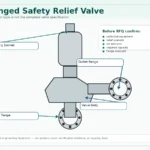
صمام الأمان ذو الفلنجة هو صمام أمان مزود بوصلات مدخل بفلنجة، أو مخرج بفلنجة، أو مدخل ومخرج بفلنجة. يتصل الصمام بنظام الأنابيب من خلال وصلة فلنجة مسامير، تتضمن عادةً فلنجة مقابلة، وحشية، ومسامير، ووجه فلنجة محدد.
معيار الفلنجة، الحجم، وفئة الضغط
يجب أن يحدد طلب عرض سعر صمام الأمان ذي الفلنجة معيار الفلنجة، والحجم الاسمي، وفئة الضغط أو تصنيف PN، ومتطلبات الفلنجة المقابلة. لا ينبغي للمشتري أن يقول فقط “صمام بفلنجة DN50” أو “فلنجة 2 بوصة”. يحتاج المورد إلى معرفة المعيار والأساس التصنيفي الذي يستخدمه المشروع. لسياق طلب عرض سعر صمام تنفيس الضغط بفلنجة، راجع ZOBAI's صمامات الأمان بفلنجات API 526 دليلنا.
الحشية، وجه الفلنجة، والمسامير جزء من الوصلة
وصلة الفلنجة هي نظام إحكام، وليست مجرد فلنجة معدنية. يؤثر نوع الحشية، ومادة الحشية، ووجه الفلنجة، ومتطلبات المسامير على ما إذا كانت الوصلة يمكن أن تُحكم بشكل صحيح. يجب على المشتري التأكد مما إذا كان المشروع يتطلب وجهًا مرتفعًا، أو وجهًا مسطحًا، أو وصلة حلقية، أو نوعًا آخر من الأوجه، اعتمادًا على مواصفات الأنابيب وظروف الخدمة.
لماذا تحتاج صمامات الأمان ذات الفلنجة عادةً إلى مساحة أكبر
عادةً ما يتطلب صمام الأمان ذو الفلنجة مساحة تركيب أكبر من الصمام الملولب لأن قطر الفلنجة، والمسامير، والصواميل، ومحاذاة الحشية، وخلوص الأدوات يجب أخذها في الاعتبار. تحتاج فرق الصيانة أيضًا إلى مساحة لإزالة المسامير، واستبدال الحشيات، ورفع الصمام أو دعمه بأمان.
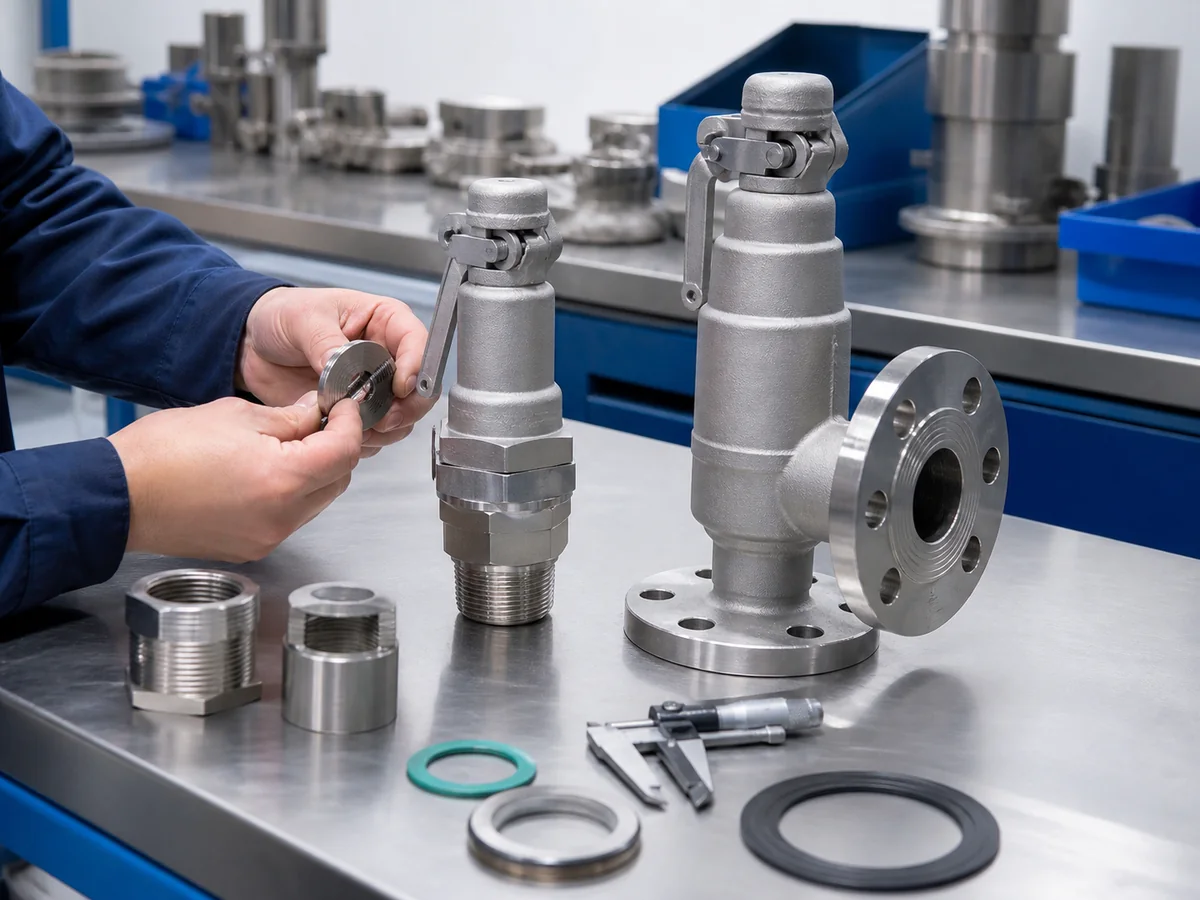
مقارنة بين صمام الأمان الملولب وصمام الأمان ذي الفلنجة
يقدم الجدول التالي مقارنة من جانب المشتري. لا يعتبر قاعدة اختيار نهائية. يساعد في توضيح المعلومات التي يجب تأكيدها قبل أن تتمكن ZOBAI من مراجعة طلب عرض الأسعار (RFQ).
| عنصر المقارنة | صمام أمان ملولب | صمام أمان بفلنجة | يجب على المشتري التأكيد | المخاطر في حالة الفقدان |
|---|---|---|---|---|
| نوع التوصيل | مدخل ملولب، مخرج ملولب أو كلاهما | مدخل بفلنجة، مخرج بفلنجة أو كلاهما | ما إذا كان الموقع يتطلب توصيلًا ملولبًا أم بفلنجة | واجهة فيزيائية خاطئة |
| تفاصيل التوصيل | المعيار الملولب، الحجم، ذكر/أنثى، مدخل/مخرج | المعيار الفلنجة، الحجم، التصنيف/PN، الوجه، نمط المسامير | مواصفات التوصيل الكاملة | عدم ملاءمة، تسرب أو توضيح متكرر |
| طريقة الإحكام | مانع تسرب الخيوط، شريط، حشية، حلقة دائرية أو طريقة المشروع حسب التصميم | ترتيب الحشية والوجه والمسامير | طريقة الختم وتوافق المواد | تسرب أثناء التركيب أو اختبار الضغط |
| مساحة التركيب | غالبًا ما يكون مدمجًا، ولكنه يحتاج إلى وصول مفتاح ومشاركة الخيط | حجم أكبر، يحتاج إلى وصول المسامير ومحاذاة الفلنجة | حجم التركيب، الاتجاه والوصول | لا يمكن التركيب أو الصيانة بأمان |
| مخاطر الاستبدال | الخيط/الجنس الخاطئ يمكن أن يمنع التركيب | معيار/فئة/وجه/نمط مسامير الفلنجة الخاطئ يمكن أن يمنع التجميع | لوحة الاسم، الرسومات، الصور وسجل الشراء القديم | صمام بديل خاطئ |
| تصنيف الضغط ودرجة الحرارة | يجب التحقق منه مقابل تصميم الصمام والمادة والخدمة | يجب التحقق منه مقابل تصنيف الفلنجة والمادة والخدمة | ضغط التشغيل، درجة الحرارة، مادة الجسم، أساس التصنيف | اختيار ضغط-درجة حرارة غير مناسب |
| السعة وواجب الأمان | حجم التوصيل لا يثبت السعة | حجم الفلنجة لا يثبت السعة | السعة المطلوبة للتنفيس والأساس | قد يكون الصمام مناسبًا ولكنه لا يحمي المعدات |
أخطاء التوصيل الشائعة وعواقبها
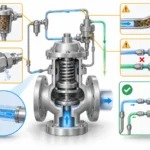
تأتي معظم الأخطاء المتعلقة بالتوصيل في طلبات عروض الأسعار من معاملة ميزة توصيل مرئية كمواصفات صمام كاملة. يوضح الجدول أدناه الأخطاء الشائعة وما يجب على المشترين تأكيده بدلاً من ذلك.
| خطأ شائع | العواقب المحتملة | تأكيد المشتري الصحيح | محفز مراجعة ZOBAI |
|---|---|---|---|
| طلب “صمام أمان ملولب” فقط | معيار سن غير صحيح، جنس غير صحيح أو طريقة إحكام غير صحيحة | معيار السن، المقاس، ذكر/أنثى، مدخل/مخرج وطريقة الإحكام | سن غير معروف أو استبدال بدون ورقة بيانات |
| طلب “صمام أمان بفلنجة” فقط | معيار فلنجة غير صحيح، فئة الضغط، وجه الفلنجة أو نمط التثبيت | معيار الفلنجة، المقاس، فئة الضغط/PN، وجه الفلنجة، الحشية والمسامير | فلنجة اقتران غير معروفة أو مواصفات أنابيب صارمة للمشروع |
| استخدام حجم الوصلة كدليل على السعة | قد يتناسب الصمام فيزيائيًا ولكنه يفشل في واجب التنفيس المطلوب | السعة المطلوبة للتنفيس وأساس السعة | السعة مفقودة أو سيناريو التنفيس غير محدد |
| تجاهل نطاق التركيب | لا يمكن شد الصمام أو تركيبه أو إزالته أو تفريغه بأمان | رسم تخطيطي، صور، مساحة وصول ومسار تصريف | وحدة مدمجة (Skid)، حزمة مدمجة أو استبدال مع مساحة محدودة |
| بافتراض أن معيار التوصيل يثبت الشهادة | قد لا تلبي حزمة المستندات متطلبات موافقة المشروع | معيار الصمام المطبق، نطاق الفحص وقائمة المستندات | المشروع يتطلب شهادات، تقارير اختبار أو فحص بحضور |
بيانات الوصلة مقابل بيانات اختيار صمام الأمان
الملولب مقابل ذو الفلنجة هو قرار توصيل، لكن اختيار صمام الأمان هو قرار حماية الضغط. يجب على المشترين فصل طلب عرض السعر إلى ثلاث مجموعات: بيانات التوصيل، بيانات الخدمة وبيانات المستندات.
بيانات التوصيل تؤكد الملاءمة والإحكام
تؤكد بيانات التوصيل ما إذا كان يمكن تركيب الصمام وختمه فعليًا. بالنسبة للصمامات الملولبة، يشمل ذلك معيار اللولب، حجم اللولب، الوصلة الذكرية أو الأنثوية، ترتيب المدخل/المخرج وطريقة الإحكام. بالنسبة للصمامات ذات الفلنجات، يشمل ذلك معيار الفلنجة، الحجم، التصنيف (Class أو PN)، الوجه، نمط البراغي، الحشية والمسامير.
بيانات الخدمة تؤكد واجب حماية الضغط
تؤكد بيانات الخدمة ما إذا كان الصمام يمكنه حماية المعدات. يشمل ذلك المعدات المحمية، سيناريو التنفيس، الوسط وحالته، ضغط التشغيل، الحد الأقصى لضغط التصميم (MAWP) أو ضغط التصميم، ضغط الضبط، سعة التنفيس المطلوبة، درجة حرارة التنفيس، مخاطر فقدان الضغط عند المدخل، أنابيب المخرج والضغط الخلفي إن وجد، ومتطلبات المواد.
بيانات المستندات تؤكد متطلبات موافقة المشروع
تؤكد بيانات الوثائق ما يحتاجه المشتري للموافقة على المشروع والفحص وحفظ السجلات. قد يشمل ذلك شهادات المواد، وسجلات معايرة ضغط التشغيل، وتقارير اختبار الضغط، وتقارير اختبار إحكام المقعد، ومستندات إصدار الفحص، وإعلانات المطابقة حيثما ينطبق ذلك.
تأكيد الوصلة الملولبة: اللولب، النوع (ذكر/أنثى) وطريقة الإحكام
تتطلب طلبات عروض أسعار صمامات الأمان الملولبة تفاصيل دقيقة للوصلة. لا يمكن تأكيد الوصلة من كلمة “ملولبة” وحدها.
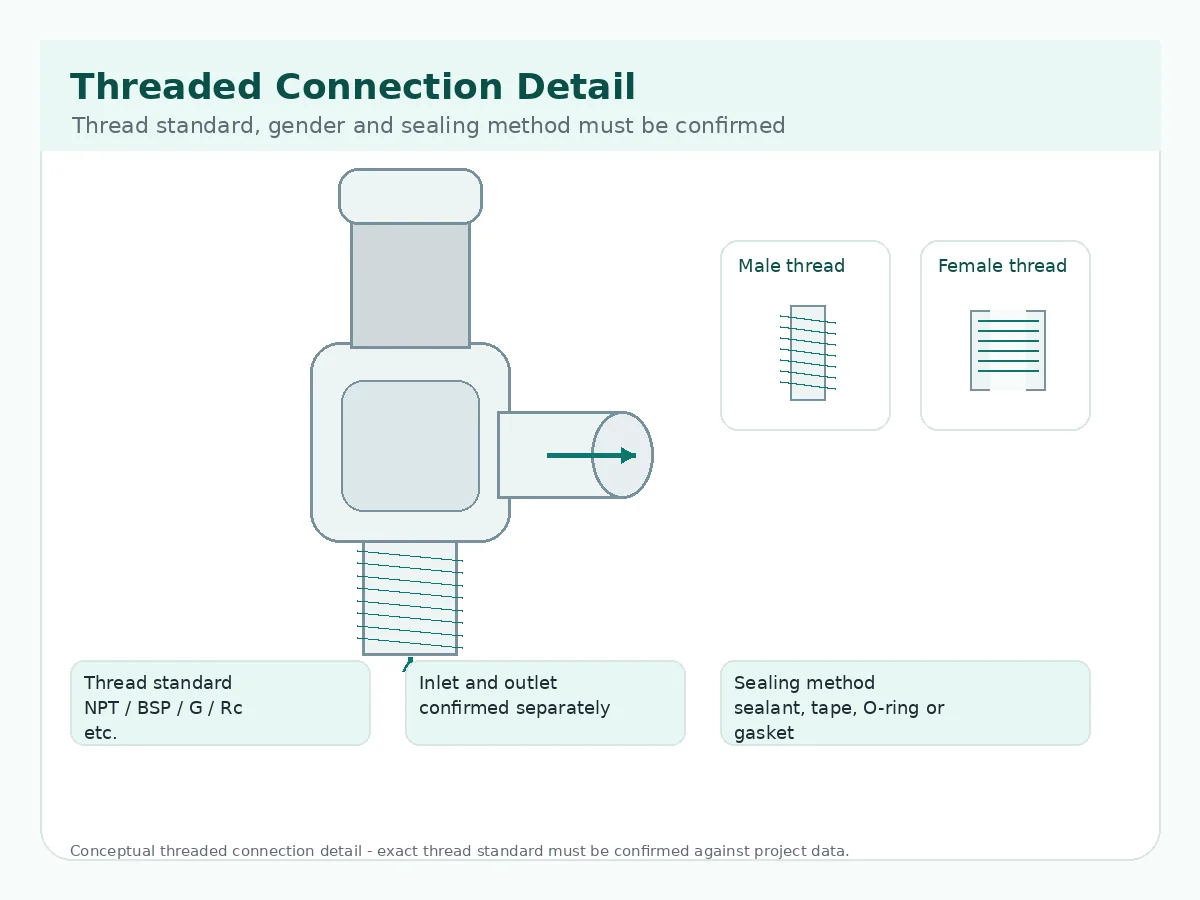
اللولب الذكر مقابل اللولب الأنثى
اللولب الذكر واللولب الأنثى غير قابلين للتبديل. يجب على المشتري تحديد ما إذا كانت وصلة الدخول والخروج ذكرًا أم أنثى. للاستبدال، يجب أن تُظهر الصور كلاً من وصلة الصمام ووصلة المعدات أو الأنابيب المقابلة.
لولب الدخول مقابل لولب الخروج
قد يكون لوصلة الدخول والخروج متطلبات وصلة مختلفة. الدخول هو جزء من مسار احتواء الضغط من المعدات المحمية. قد تتصل وصلة الخروج بأنابيب التفريغ، أو التهوية، أو كاتم الصوت، أو موقع تفريغ آمن، أو ترتيب تفريغ مفتوح حسب التطبيق.
مانع التسرب لا يمكن أن يعوض الوصلة الخاطئة
استخدام مانع تسرب إضافي أو شريط أو قوة ليس حلاً آمنًا للولب الخاطئ. إذا كان معيار اللولب أو نوعه خاطئًا، فيجب تصحيح الوصلة. للحصول على سياق تخطيط الموقع والأنابيب، راجع موقع ZOBAI. دليل تركيب صمامات الأمان.
تأكيد الوصلة ذات الفلنجة: المعيار، الحشية والمسامير
تتطلب طلبات عروض أسعار صمامات الأمان ذات الفلنجة معلومات كاملة عن الفلنجة. قد يفشل تطابق الوصلة ذات الفلنجة حتى عندما يبدو الحجم الاسمي صحيحًا.
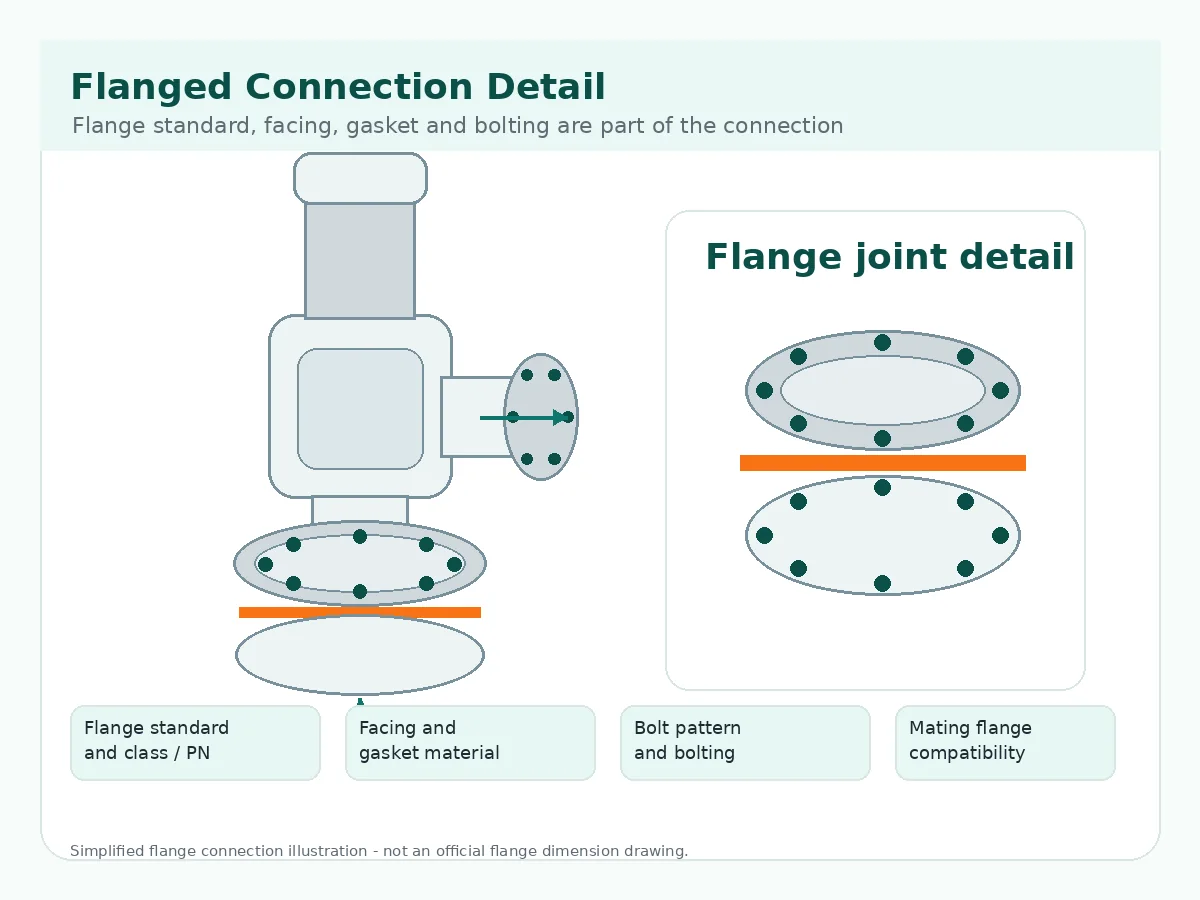
معيار الفلنجة وتصنيف الضغط
يجب أن يحدد طلب عرض السعر معيار الفلنجة وفئة الضغط أو تصنيف PN. يجب أن تكون فلنجة التوصيل وفلنجة الصمام متوافقتين. إذا كان معيار الفلنجة غير معروف، يجب على المشتري إرسال مواصفات الأنابيب، أو رسم المعدات، أو صور واضحة للصمام والفلنجة الموجودين.
الوجه، الحشية، ونمط البراغي
يجب أن يتطابق وجه الفلنجة، نوع الحشية، ونمط البراغي مع الوصلة المقابلة. قد يؤدي عدم التطابق إلى منع التركيب أو حدوث تسرب. يعتمد اختيار الحشية أيضًا على الوسط، ودرجة الحرارة، والضغط، ومواصفات المشروع. للحصول على سياق أبعاد الفلنجة، انظر أبعاد فلنجات ASME B16.5.
لماذا “فلنجة DN50” ليست كافية
“فلنجة DN50” أو “فلنجة 2 بوصة” تحدد فقط حجمًا اسميًا. لا تحدد معيار الفلنجة، أو التصنيف/الفئة، أو الوجه، أو نمط البراغي، أو نوع الحشية، أو متطلبات البراغي. كما أنها لا تثبت سعة الصمام.
مساحة التركيب، سهولة الصيانة، وخطر الاستبدال
يؤثر نوع الوصلة على التركيب والصيانة. يجب على المشتري مراجعة تخطيط الموقع قبل تحديد ما إذا كان صمام الأمان الملولب أو ذو الفلنجة مناسبًا.
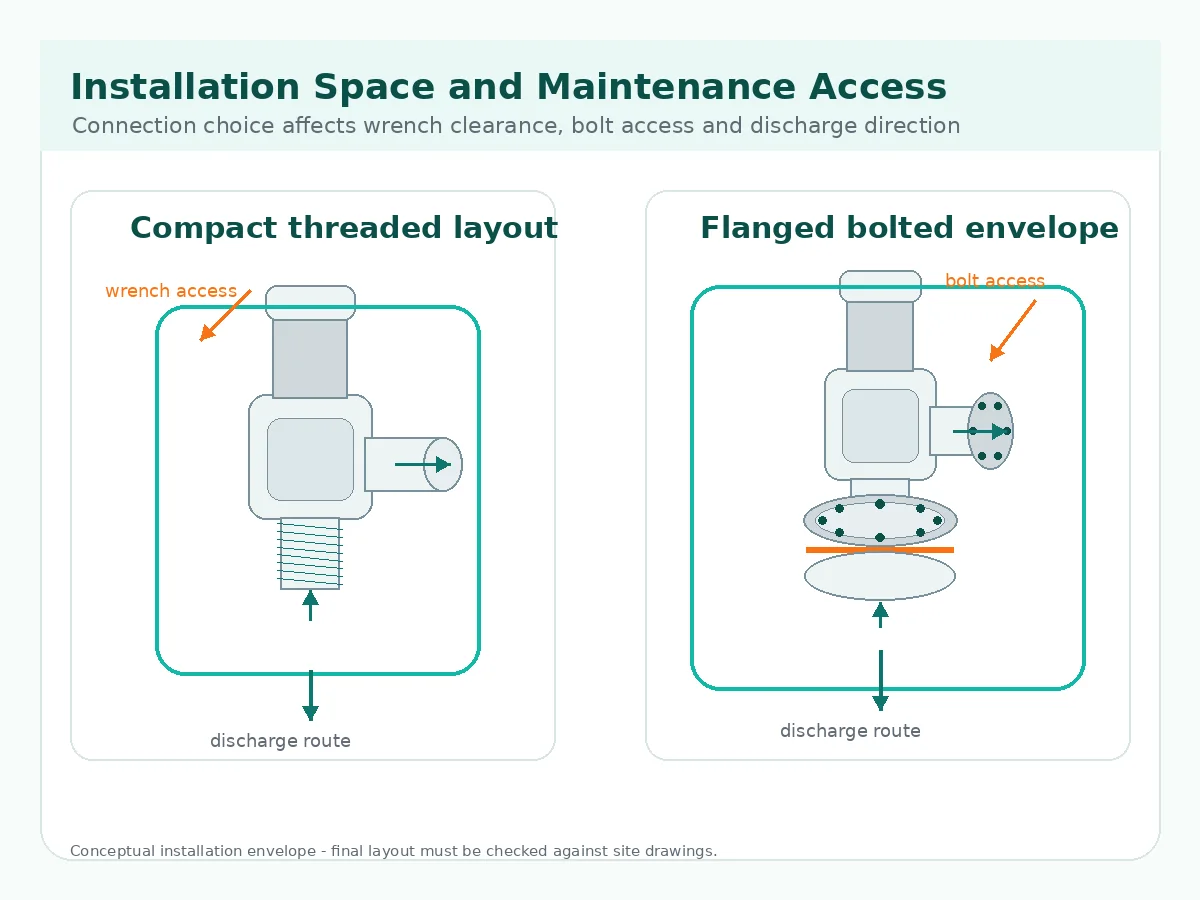
المدمج لا يعني دائمًا الأسهل
قد تكون الصمامات الملولبة مدمجة، لكنها لا تزال بحاجة إلى مساحة للوصول بالمفتاح، والترابط الصحيح للأسنان، وتطبيق مادة منع التسرب إذا لزم الأمر، والتوجيه الآمن. قد تظل الوصلة المدمجة صعبة إذا كان الصمام قريبًا من جدار، أو هيكل وحدة، أو أنابيب الأدوات، أو أنابيب التفريغ.
الوصول إلى البراغي واستبدال الحشية
تتطلب الوصلات ذات الفلنجات خلوصًا كافيًا للبراغي، والصواميل، والأدوات، واستبدال الحشية. إذا كان الصمام قريبًا من مكون آخر، فقد يكون من الصعب محاذاة الفلنجة، أو إدخال البراغي، أو إزالة الصمام أثناء الصيانة.
مراجعة أنابيب المخرج والدعم والضغط الخلفي
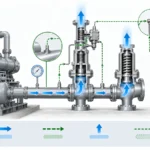
إذا كان المخرج موصلاً بأنابيب، أو مجمع، أو موجهًا إلى خط رئيسي، أو متصلاً بخط تصريف طويل، فقد يتطلب ترتيب المخرج مراجعة إضافية. لا ينبغي ترك أنابيب المخرج الثقيلة غير مدعومة بجسم الصمام. يمكن أن يؤثر اتجاه التصريف، والتصريف، وقوة رد الفعل، والتنفيس الآمن، والضغط الخلفي المتراكب أو المتراكم على تكوين الصمام ومتطلبات التركيب. إذا كانت أنابيب المخرج متصلة بخط رئيسي أو مجمع، فقد تكون مراجعة الضغط الخلفي مطلوبة قبل التكوين النهائي للصمام.
صور الصمامات الحالية تقلل من مخاطر طلبات عروض الأسعار
للاستبدال، يجب على المشترين إرسال صور لجسم الصمام بالكامل، ولوحة الاسم، ووصلة الدخول، ووصلة المخرج، ووصلة الأنبوب أو المعدات المقابلة، ومساحة التركيب المحيطة، وأنابيب التصريف، والمحولات، والمخفضات، والدعامات إن وجدت.
الضغط ودرجة الحرارة والوسط والمادة لا تزال تتحكم في الاختيار النهائي
لا يمكن اتخاذ الاختيار النهائي بين صمامات الأمان الملولبة والصمامات ذات الفلنجات بناءً على نوع الاتصال وحده. يجب أن يتطابق الصمام مع مهمة تنفيس الضغط وبيئة الخدمة.
ضغط الضبط ليس هو نفسه تصنيف الاتصال
ضغط الضبط هو الضغط الذي يتم ضبط صمام الأمان عنده ليبدأ في الفتح. لا يحدد تصنيف فلنجة، أو تصنيف PN، أو تصنيف وصلة اللولب تلقائيًا ضغط الضبط. يجب على المشترين تقديم ضغط التشغيل، أو MAWP، أو ضغط التصميم، وضغط الضبط المطلوب بشكل منفصل.
السعة التنفيسية المطلوبة لا تثبت بحجم الاتصال
تعتمد السعة التنفيسية المطلوبة على سيناريو التنفيس الحاكم، والوسط، وضغط التنفيس، ودرجة حرارة التنفيس، وتصميم الصمام المختار. لا يمكن لحجم الاتصال وحده إثبات السعة. لا يزال الصمام ذو وصلة لولبية أو فلنجة معينة بحاجة إلى مراجعة السعة مقابل بيانات الشركة المصنعة. لسياق حساب المقاسات، راجع دليل ZOBAI لـ حساب مقاسات صمامات الأمان API 520 دليلنا.
يؤثر الوسط ودرجة الحرارة على اختيار المادة، ومادة المقعد، واختيار الحشية
يؤثر الوسط ودرجة الحرارة على مادة الجسم، ومادة المقعد، ومادة الختم، ومادة الحشية، ومادة النابض، واختيار التجهيزات. قد يتطلب البخار، أو الغاز، أو السائل، أو الخدمة المسببة للتآكل، أو الخدمة ذات درجات الحرارة العالية، أو الخدمة المتسخة تفاصيل بناء مختلفة. لسياق تصنيف أوسع، راجع دليل ZOBAI لـ تصنيفات الضغط ودرجة الحرارة دليلنا.
سير عمل الاستبدال قبل طلب عرض السعر
غالبًا ما يبدأ المشترون عند الاستبدال بصمام قديم وطلب قصير مثل “نفس الموجود”. هذا غير كافٍ لاستبدال صمام الأمان. قد لا يكون الصمام الحالي قد تم اختياره بشكل صحيح، أو قد تكون ظروف الخدمة قد تغيرت، أو قد تكون المستندات الأصلية مفقودة.
التحقق من لوحة الاسم وصحيفة البيانات الحالية
قد تعرض لوحة الاسم معلومات حول الحجم، وضغط الضبط، والمادة، ومرجع الطراز، أو معلومات الشركة المصنعة. قد تعرض صحيفة البيانات القديمة أو أمر الشراء معلومات حول نوع التوصيل، ومعيار الفلنجة، ومعيار اللولب، والمادة، ومتطلبات الاختبار، ونطاق المستندات.
تصوير التوصيل ومساحة التركيب
يجب أن تُظهر الصور الصمام من زوايا متعددة. بالنسبة للصمامات الملولبة، قم بتضمين التوصيل الملولب والتوصيل المقابل. بالنسبة للصمامات ذات الفلنجات، قم بتضمين الفلنجة، والمسامير، ومنطقة الحشية، والفلنجة المقابلة، والمساحة المحيطة.
وضع علامة “قيد التأكيد” على العناصر غير المعروفة”
لا ينبغي تخمين البيانات غير المعروفة. إذا كان المشتري لا يعرف معيار الفلنجة، أو معيار اللولب، أو ضغط الضبط، أو السعة المطلوبة، أو المادة، أو متطلبات المستندات، فيجب وضع علامة “قيد التأكيد” عليها.”
قائمة مرجعية لمعلمات طلب عرض السعر / الاختيار لصمامات الأمان الملولبة أو ذات الفلنجات
يجب أن يشمل طلب عرض السعر الكامل بيانات التوصيل وبيانات الخدمة وبيانات المستندات. يمكن استخدام القائمة المرجعية التالية قبل إرسال طلب إلى ZOBAI.
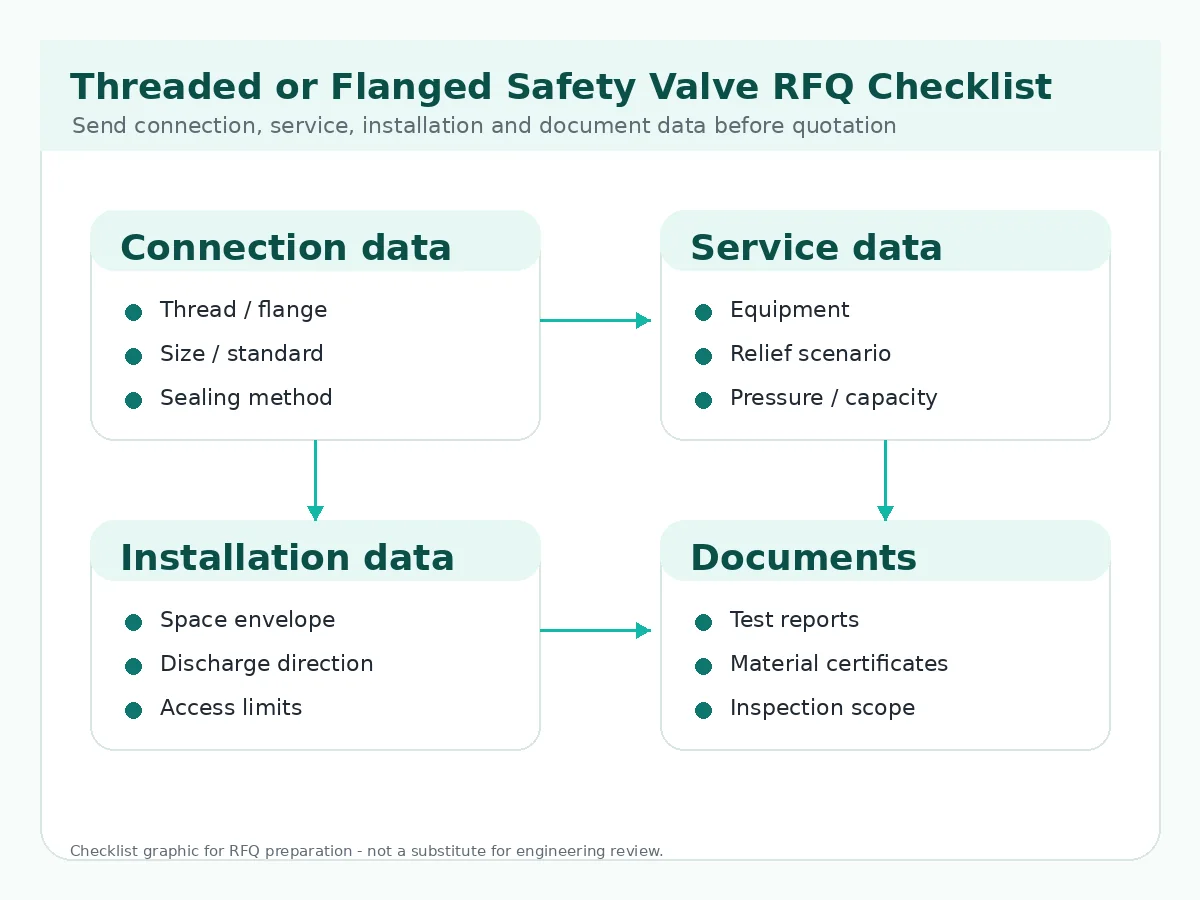
| المعلمة | ما يجب تقديمه | لماذا هو مهم | خطر البيانات المفقودة |
|---|---|---|---|
| المعدات المحمية | وعاء ضغط، خزان، ضاغط، خط أنابيب، وحدة مجمعة (Skid)، مخرج مضخة، أو معدات أخرى | يحدد ما يحميه الصمام | أساس حماية خاطئ |
| سيناريو التنفيس | التمدد الحراري، انسداد المخرج، فشل المنظم، حالة الحريق، اضطراب العملية أو سيناريو محدد بالمشروع | يدعم واجب السلامة ومراجعة السعة | افتراض اختيار غير صحيح |
| الوسط والطور | غاز، بخار، بخار ماء، سائل، طورين، خدمة أكالة، خدمة متسخة أو خدمة خاصة | يؤثر على حساب المقاسات، المواد، المقعد/مانع التسرب والتفريغ | مادة خاطئة أو تكوين صمام خاطئ |
| بيانات الضغط | ضغط التشغيل، أقصى ضغط تشغيل آمن/ضغط التصميم، وضغط الضبط | يفصل بين ضغط الخدمة، أساس المعدات، وضغط فتح الصمام | نابض خاطئ، ضبط خاطئ أو أساس ضغط خاطئ |
| سعة التنفيس المطلوبة | معدل التدفق وأساس الحساب إذا كان متاحًا | مطلوب للحساب النهائي واختيار الصمام | قد يناسب الصمام ولكنه يفشل في أداء واجب السلامة |
| درجة حرارة التنفيس | درجة الحرارة أثناء حالة التنفيس | يؤثر على المواد، الحشية، العازل، وملاءمة الضغط ودرجة الحرارة | افتراض خاطئ للمادة أو التصنيف |
| بيانات الوصلة الملولبة | معيار السن، المقاس، ذكر/أنثى، مدخل/مخرج وطريقة الإحكام | يؤكد الملاءمة الملولبة والإحكام | خيط خاطئ، تسريب، أو عدم ملاءمة |
| بيانات الوصلة ذات الفلنجة | معيار الفلنجة، المقاس، التصنيف/PN، السطح، نمط المسامير، الحشية، والمسامير | يؤكد الملاءمة ذات الفلنجة والإحكام | عدم تطابق المسامير، مشكلة في الحشية، أو تسريب |
| بيانات التركيب | حدود المساحة، الاتجاه، اتجاه التفريغ، سهولة الوصول للصيانة، وأنابيب المخرج | يؤكد ملاءمة الموقع ومسار التفريغ الآمن | لا يمكن التركيب أو الصيانة بأمان |
| الضغط الخلفي / أنابيب المخرج | اذكر ما إذا كان المخرج مفتوحًا، أو موصولًا بأنبوب، أو مجمعًا، أو خاضعًا لضغط إضافي | قد يؤثر على التكوين، والاستقرار، ومراجعة التفريغ | ترتيب مخرج خاطئ أو ضغط خلفي غير مُراجع |
| المواد | متطلبات الجسم، الغطاء، المقعد، الختم، النابض، التشذيب، والحشية | يؤثر على توافق الخدمة | تآكل، تسرب، أو خدمة غير مناسبة |
| المستندات | تقرير الاختبار، شهادة المواد، سجل ضغط الضبط، نطاق الفحص، ومتطلبات المعيار | يحدد وثائق الموافقة والتسليم | وثائق مفقودة أو تأخير في الموافقة |
المعايير والوثائق التي قد يحتاج المشترون إلى تأكيدها
معايير التوصيل، ومعايير صمامات الأمان، ومواصفات المشروع مرتبطة ببعضها البعض ولكنها ليست متطابقة. لا ينبغي للمشتري أن يفترض أن تسمية معيار الفلنجة أو نوع اللولب تكمل مواصفات صمام الأمان.
معيار التوصيل ليس هو نفسه معيار صمام الأمان
يحدد معيار الوصلة الملولبة أو الفلنجة واجهة التوصيل. قد يحدد معيار صمام الأمان أو مواصفات المشروع متطلبات أخرى مثل ضغط الضبط، توثيق السعة، الاختبار، سجلات المواد، نطاق الفحص، والعلامات.
معيار الفلنجة لا يثبت شهادة الصمام
قد يستخدم الصمام ذو الفلنجة معيار فلنجة معين، ولكن هذا لا يثبت تلقائيًا أن الصمام حاصل على شهادة أو موافقة معينة لكل مشروع. تعتمد المطابقة والشهادة على الطراز المختار، نطاق التصنيع، الاختبار، التوثيق، ومتطلبات المشروع.
اطلب المستندات بوضوح في مرحلة طلب عرض السعر (RFQ)
يجب ذكر متطلبات المستندات قبل تقديم عرض السعر. قد تشمل هذه شهادة المواد، تقرير اختبار الضغط الهيدروستاتيكي أو اختبار الغلاف، سجل معايرة ضغط الضبط، تقرير إحكام المقعد إذا لزم الأمر، مذكرة إطلاق الفحص، ورقة البيانات، ومعلومات لوحة الاسم. للتنقل بين المعايير، راجع موقع ZOBAI. معايير صمامات الأمان الصفحة.
اطلب من ZOBAI مراجعة معلمات التوصيل وظروف التشغيل الخاصة بك
قبل اختيار صمام أمان ملولب أو ذي فلنجة، أرسل إلى ZOBAI تفاصيل التوصيل وظروف التشغيل. يساعد طلب عرض سعر كامل فريق الهندسة على التحقق مما إذا كان الاستفسار واضحًا بما يكفي لتقديم عرض سعر وما إذا كانت هناك حاجة إلى بيانات إضافية قبل الاختيار.
- نوع التوصيل: ملولب أو بفلنجة.
- المعيار الملولب، الحجم، التوصيل الذكر/الأنثى، وطريقة الإحكام إذا كان ملولبًا.
- معيار الفلنجة، الحجم، التصنيف/التقدير، الوجه، الحشية، والمسامير إذا كانت بفلنجة.
- المعدات المحمية وسيناريو التنفيس.
- الوسط وحالته (سائل/غاز).
- ضغط التشغيل، أقصى ضغط تشغيل آمن (MAWP)/ضغط التصميم، وضغط الضبط.
- متطلبات سعة التنفيس وساس السعة إن وجدت.
- درجة حرارة التنفيس، ومتطلبات المواد والوثائق.
- مساحة التركيب، اتجاه التفريغ، أنابيب المخرج، وحالة الضغط الخلفي إذا كان ذلك منطبقًا.
- صور الصمام الحالي، لوحة الاسم، ورقة البيانات، أو الرسم للاستبدال.
يمكن لـ ZOBAI مراجعة مجموعة المعلمات المقدمة قبل تقديم عرض الأسعار. يعتمد الاختيار النهائي لصمام الأمان على ظروف التشغيل الفعلية، وسيناريو التنفيس، وبيانات الشركة المصنعة، وإصدار المعيار المطبق، ومواصفات المشروع، والمتطلبات التنظيمية المحلية.
أسئلة شائعة حول صمامات الأمان الملولبة مقابل صمامات الأمان ذات الفلنجة
ما هو الفرق بين صمام الأمان الملولب وصمام الأمان بفلنجة؟
يستخدم صمام الأمان الملولب وصلات ملولبة، بينما يستخدم صمام الأمان ذو الفلنجة وصلات فلنجة مسمارية مع متطلبات الحشية والمسامير. يجب على المشتري تأكيد معيار الوصلة، الحجم، طريقة الختم، مساحة التركيب، تصنيف الضغط ودرجة الحرارة، الوسط، المادة، والمستندات.
متى يجب على المشترين اختيار صمام أمان ملولب؟
قد يتم النظر في صمام أمان ملولب عندما يكون اتصال المعدات أو الأنابيب ملولبًا وتسمح ظروف الخدمة، ومواصفات المشروع، ومساحة التركيب، ومتطلبات الوثائق بذلك. لا يزال يتعين على المشترين تأكيد معيار اللولب، والحجم، والاتصال الذكر/الأنثى، وطريقة الختم، وبيانات الخدمة قبل تقديم عرض الأسعار.
متى يجب على المشترين اختيار صمام أمان بفلنجة؟
قد تكون هناك حاجة لصمام أمان بفلنجة عندما تتطلب مواصفات الأنابيب توصيلات بفلنجات، أو عندما يفضل الوصول للصيانة التفكيك المثبت بالمسامير، أو عندما يتطلب المشروع معيار فلنجة محدد، ووجه، وحشية، وترتيب مسامير.
هل صمام الأمان الملولب مناسب لخدمة الضغط العالي؟
يعتمد ذلك على تصميم الصمام المختار، وتفاصيل التوصيل، والمادة، ودرجة حرارة الخدمة، والمعيار المطبق، ومواصفات المشروع. نوع التوصيل الملولب وحده لا يثبت ملاءمة الضغط.
هل يثبت حجم الفلنجة سعة صمام الأمان؟
لا يثبت حجم الفلنجة سعة صمام الأمان. تعتمد السعة على حمل التنفيس المطلوب، وسيناريو التنفيس، وخصائص المائع، وضغط التنفيس، ودرجة حرارة التنفيس، وتصميم الصمام وبيانات الشركة المصنعة.
ما هي معلومات الفلنجة التي يجب إرسالها لطلب عرض سعر لصمام أمان بفلنجة RF؟
أرسل معيار الفلنجة، الحجم الاسمي، فئة الضغط أو تصنيف PN، نوع الوجه، نمط المسامير، متطلبات الحشية، متطلبات المسامير، تفاصيل الفلنجة المقابلة، ومواصفات أنابيب المشروع إن وجدت.
ما هي معلومات الوصلات الملولبة التي يجب إرسالها لطلب عرض سعر لصمام أمان ملولب؟
أرسل معيار السن، حجم السن الاسمي، نوع الوصلة ذكر أو أنثى، تفاصيل سن الدخول والخروج، طريقة الإحكام، وصلة الأنابيب في الموقع وصور الصمام الحالي إذا كان استبدالًا.
لماذا تحتاج زوباي لمعلومات الحشوات والمسامير؟
بالنسبة للتوصيلات ذات الفلنجات، تعتبر الحشية (الجاسكت)، وجه الفلنجة، والمسامير جزءًا من نظام الإحكام. إذا كانت متطلبات الحشية أو المسامير مفقودة، فقد لا يتطابق عرض السعر مع مواصفات المشروع أو قد لا يكون الصمام قابلاً للتركيب كما هو متوقع.
هل يمكنني استبدال صمام ملولب بصمام بفلنجة؟
قد يكون ذلك ممكنًا، ولكن ليس فقط باسم الوصلة. قد يتطلب استبدال صمام ملولب بآخر بفلنجة تعديلًا في الأنابيب، ومراجعة المساحة، وفلنجة توصيل جديدة، وحشية، ومسامير، وترتيب تصريف، وموافقة هندسية.
ما هي المستندات التي يجب أن أطلبها قبل طلب صمام أمان؟
قد تشمل متطلبات الوثائق ورقة البيانات، وشهادة المواد، وسجل معايرة ضغط الضبط، وتقرير الاختبار، وسجل الفحص، وتقرير إحكام المقعد إذا لزم الأمر، وإعلان المعيار المطبق عند تأكيده. يجب تحديد حزمة الوثائق الدقيقة في مرحلة طلب عرض الأسعار (RFQ).
تركيز المراجعة الفنية
ينصب تركيز المراجعة الفنية لهذه الصفحة على التواصل بشأن طلب عرض الأسعار (RFQ) المتعلق باختيار اتصال صمام الأمان الملولب أو ذي الفلنجة. تشمل الحدود الهندسية التي تمت مراجعتها نوع الاتصال، وبيانات اللولب أو الفلنجة، وطريقة الختم، وضغط الضبط مقابل الحد الأقصى لضغط التشغيل الآمن (MAWP) / ضغط التصميم، وحجم الاتصال مقابل سعة التنفيس المطلوبة، ومساحة التركيب، وأنابيب المخرج، ومحفز مراجعة الضغط الخلفي، ومدخلات المواد، ومتطلبات الوثائق.
لا تتحقق هذه الصفحة من نموذج صمام معين، أو نطاق الشهادة، أو سعة التنفيس المعتمدة، أو موافقة المشروع. يجب تأكيد هذه العناصر مقابل نموذج الصمام المختار، وبيانات الشركة المصنعة، وإصدار المعيار المطبق، ومواصفات المشروع، والمتطلبات التنظيمية المحلية.
ملاحظة هندسية
تدعم هذه المقالة تواصل المشتري وإعداد طلبات عروض الأسعار (RFQ). لا تحل محل مراجعة هندسة المشروع، أو التحقق من ورقة بيانات الشركة المصنعة، أو حساب التنفيس الرسمي، أو مراجعة الكود، أو الموافقة التنظيمية المحلية. يعتمد الاختيار النهائي على ظروف التشغيل الفعلية، وسيناريو التنفيس، وبيانات الشركة المصنعة، وإصدار المعيار المطبق، ومواصفات المشروع، والمتطلبات التنظيمية المحلية.