安全阀技术博客 什么是高压安全阀? 高压安全阀不能仅凭压力等级来选型。在询价或更换前,买方必须确认整定压力、所需泄放量、介质、温度、背压、连接等级、材质及随机文件。 核心问题 在安全阀选型中,“高压”意味着什么? …

安全阀技术博客
什么是高压安全阀?
高压安全阀不能仅凭压力等级选型。在询价或更换前,买方必须确认整定压力、所需泄放量、介质、温度、背压、连接等级、材质及技术文件。.
核心问题
安全阀选型中“高压”指什么?
主要风险
混淆压力等级、整定压力与泄放能力。.
下一步
准备完整的工况数据供工程评审。.
快速解答:什么是高压安全阀?
高压安全阀是一种压力保护装置,用于帮助保护设备、管道或工艺系统不超过允许压力限值。在使用中,安全阀应在规定的整定压力下开启,按主导泄放工况排出足够流量,并在系统压力回落到可接受水平后回座。.
然而从工程角度看,“高压安全阀”这一说法并不是完整的规格。它本身并不能确认被保护设备、泄放工况、介质、所需泄放量、泄放温度、背压、材质、阀座结构、连接等级或文件要求。阀门可以被称为高压,但仍须对照实际工况和所选型号的制造商数据逐项核实。.
对买方而言,要点很简单:不要只提出“高压阀”和连接尺寸。在报价或更换前,应确认工作压力、MAWP 或设计压力、整定压力、所需泄放量、压力-温度等级、进出口连接、材质要求、适用标准及所需技术文件。产品系列背景可查阅 ZOBAI 高压安全阀; ;关于使用工况背景,请复核 高压应用.
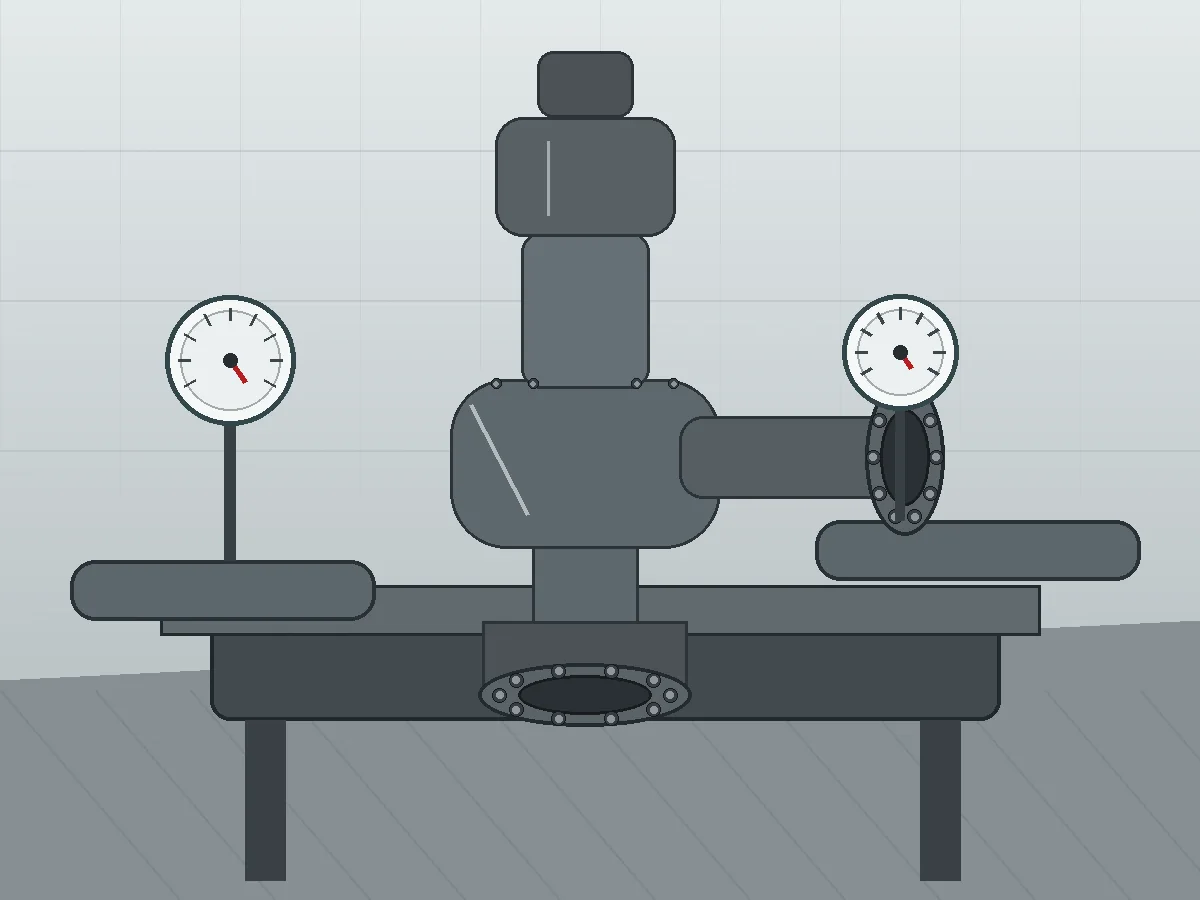
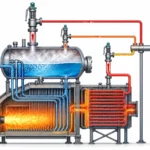
已验证的 WebP 图片。图片仅用于技术文章示意,不构成对特定型号、认证、排量或试验结果的证明。.
选型边界:本文决定什么、不决定什么
本文帮助工程师、采购团队和维护人员了解在选型或询价高压安全阀之前必须确认的事项。本文为参数确认指南,不是最终定径计算,不是产品目录,也不能替代项目责任工程师的评审。.
本文说明为何仅凭“高压”并不足以完成选型。合适的安全阀必须结合被保护设备、主导泄放工况、介质及相态、工作压力、MAWP 或设计压力、整定压力、所需泄放量、泄放温度、背压、进出口连接、材质、阀座与密封要求、适用标准及所需文件进行复核。.
选型说明: 最终选型取决于实际运行工况、制造商数据、适用标准版本、项目规范及当地法规要求。.
如需认证排量或文件化排量,应在报价前明确该要求。.
标准安全阀与高压安全阀:采购方应核查的要点
高压安全阀的不同之处并不仅仅在于压力数值更高。由于压力裕量、温度额定值、出口管道或排量基准上的小误差可能带来更大的安全、泄漏、稳定性及文件风险,因此选型复核更为敏感。.
在一般工况下,采购方可能重点关注阀门尺寸、整定压力和连接型式。在高压工况下,这些项目仍然重要,但还不够。采购方还需确认阀门在泄放事件中的动作表现、连接等级在实际温度下是否仍然适用、所选孔径或排量基准是否能够满足所需泄放量,以及出口系统是否会产生不可接受的背压。.
| 采购方核对 | 安全阀常规复核 | 高压安全阀复核 |
|---|---|---|
| 整定压力 | 确认开启压力 | 确认与工作压力、MAWP/设计压力及允许超压的关系 |
| 排量 | 如有条件,核对所需流量 | 确认所需泄放量、所选孔径及适用的认证或文件化排量依据 |
| 温度 | 核对正常工作温度 | 核对泄放温度及压力-温度额定值 |
| 连接 | 确认尺寸与型式 | 在实际压力和温度下确认法兰等级、PN 额定值或螺纹标准 |
| 材料 | 匹配常规介质 | 确认阀体、内件、弹簧、阀座、密封及可能的腐蚀、高温或低温限制 |
| 背压 | Review outlet path generally | Evaluate superimposed and built-up back pressure, constant or variable outlet conditions and configuration limits |
| 密封性 | Review leakage requirement if specified | Confirm seat design, service condition and applicable leakage test requirement where specified |
| 安装 | Check basic orientation and connection | Review inlet loss, outlet support, drainage, reaction force and safe discharge routing |
| 文档 | Basic datasheet may be enough | Datasheet, calibration record, material record, capacity basis and inspection scope may be required by project |
The key selection risk is assuming that “high pressure” describes the full valve. It does not. It only starts the review.
Key Pressure Terms: Operating Pressure, MAWP, Set Pressure and Overpressure
High pressure safety valve selection requires careful use of pressure terminology. Several values may appear in the same inquiry, but they do not mean the same thing. Confusing these terms can lead to the wrong set pressure, insufficient capacity, poor operating margin or an unsuitable replacement.
| 压力术语 | 含义 | Why It Matters for High Pressure Safety Valves |
|---|---|---|
| 工作压力 | Normal system pressure during operation | Determines operating margin below set pressure and helps assess leakage or simmering risk |
| MAWP / 设计压力 | Pressure basis of the protected equipment or project design | Defines the pressure protection requirement and must not be confused with normal operating pressure |
| 整定压力 | Pressure at which the valve is adjusted to open under specified conditions | Defines the opening point but does not prove relieving capacity |
| 超压 / 压力积聚 | Pressure rise during a relieving event, subject to applicable code or project basis | Affects relieving pressure and capacity calculation basis |
| 启闭压差 / 回座压力 | Closing behavior after the valve has opened | Affects stability, leakage risk and process recovery after relief |
Operating pressure is the normal pressure at which the system runs. The maximum operating pressure may be close to the valve set pressure, but it should not be confused with the valve’s opening point. If the operating pressure is too close to the set pressure, the valve may be more vulnerable to simmering, leakage, instability or frequent operation, depending on the service and valve design.
MAWP, or maximum allowable working pressure, is related to the protected equipment’s allowable pressure limit. Some projects may use design pressure or another project-specific pressure basis. This value is critical because the safety valve must protect the equipment within the applicable code and project requirements.
Set pressure is the pressure at which the safety valve is adjusted to open under specified conditions. It is not the same as capacity. A valve with the correct set pressure may still be unsuitable if it cannot discharge the required relieving load.
Overpressure and accumulation describe the pressure rise allowed during a relieving event. Blowdown and reseating pressure describe the closing behavior after discharge. These values affect stability, leakage risk and operating margin, especially in high pressure systems.
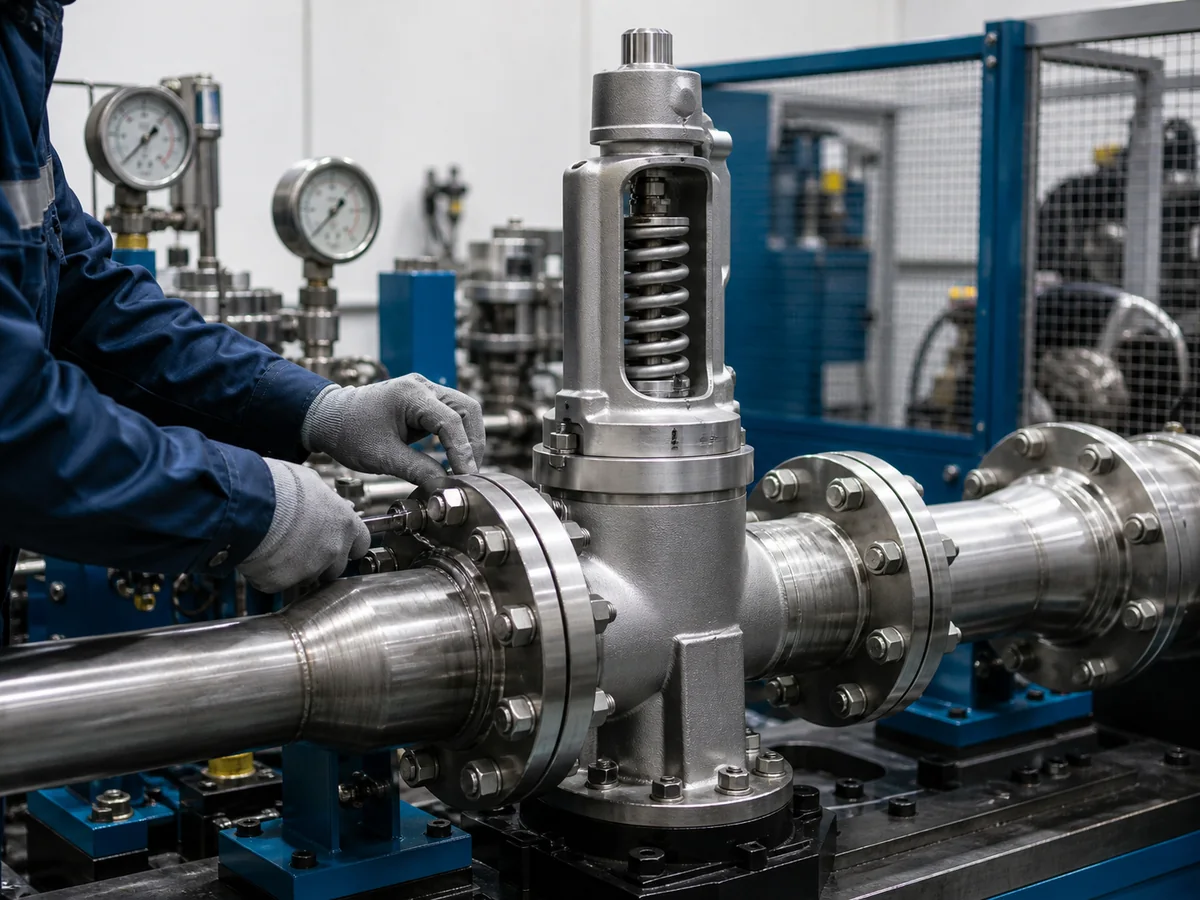
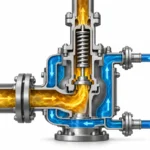
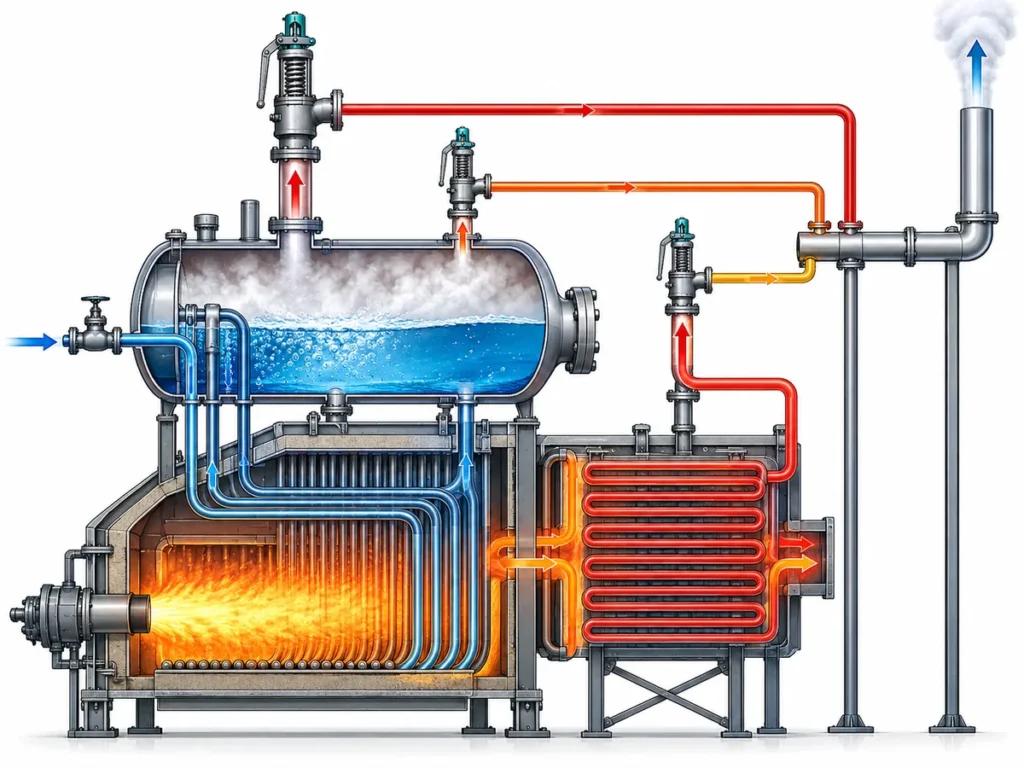
Simplified engineering illustration for explanation only; not a manufacturing drawing or certified section view.
Required Relieving Capacity: Why Connection Size Alone Is Not Enough
One of the most common specification mistakes is selecting a high pressure safety valve by connection size alone. A DN or NPS connection tells you how the valve connects to the system. It does not prove the internal flow area, selected orifice, discharge coefficient, certified capacity or required relieving capacity.
Required relieving capacity depends on the governing relief scenario. A blocked outlet case, fire case, regulator failure, thermal expansion event or tube rupture case may require different relieving loads. The required capacity also depends on the medium and phase, such as steam, gas, vapor, liquid or two-phase flow. Relieving pressure, relieving temperature and fluid properties all matter.
For example, a high pressure steam safety valve inquiry should not only say “steam, high pressure, DN size.” The buyer should provide boiler or header data, MAWP or design pressure, set pressure, required steam relieving capacity, relieving temperature, connection standard and discharge arrangement. Without this information, the valve can be priced only as a rough inquiry, not fully validated for the service.
The selected valve must be checked against manufacturer data and the applicable project or code basis. Where certified or documented capacity is required, that requirement should be stated before quotation. Capacity must not be assumed from the inlet flange size, outlet size or pressure rating alone. For a deeper explanation, see ZOBAI’s guide to 安全阀定径和认证泄放能力 以及 API 520 安全阀定径 参考页面。.
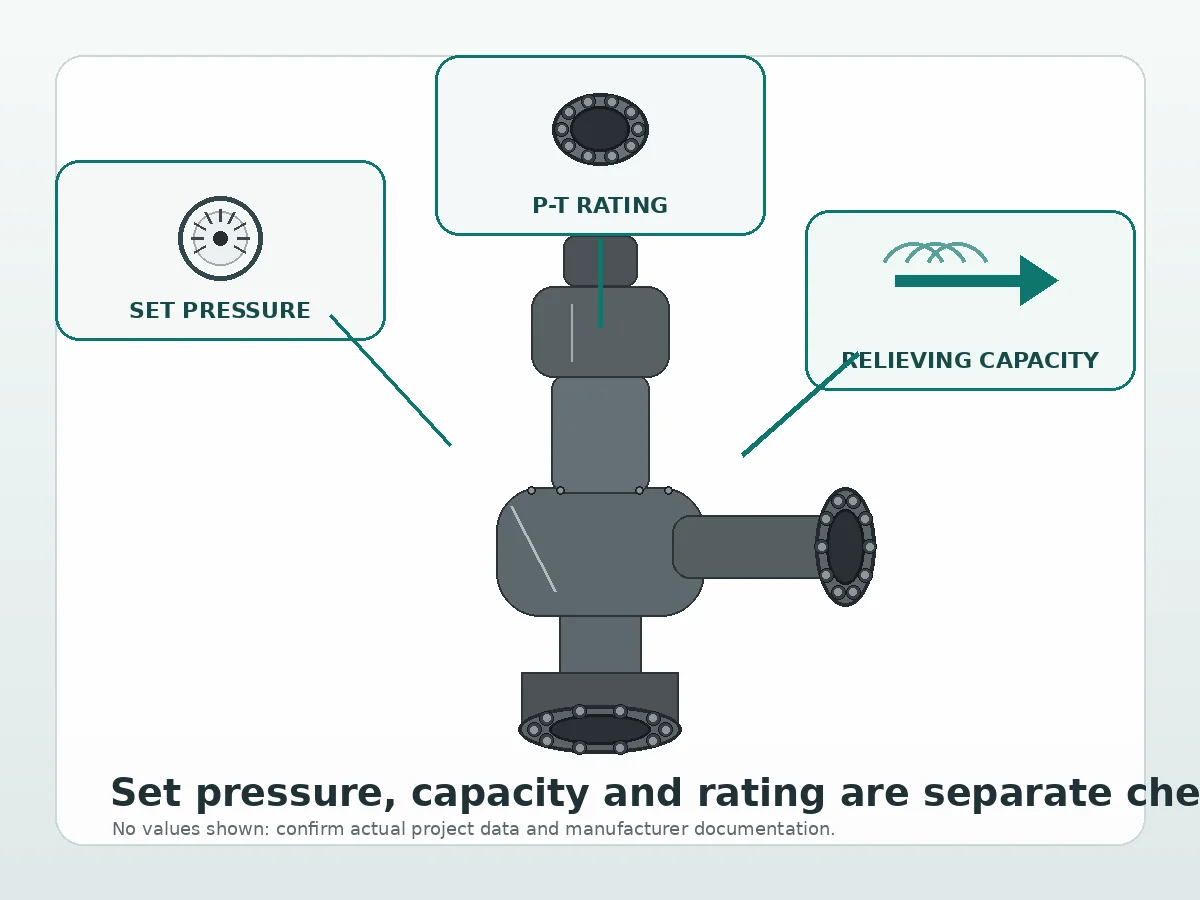
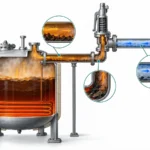
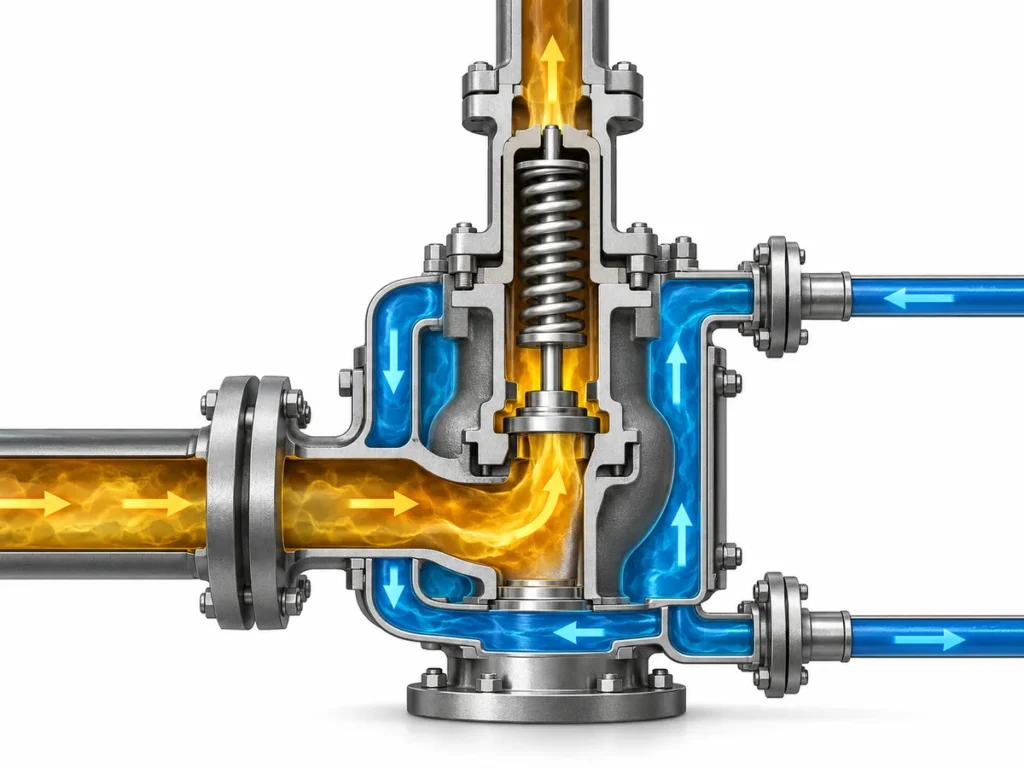
Conceptual engineering diagram; actual values must be confirmed from project data and manufacturer documentation.
Medium, Temperature and Pressure-Temperature Rating
High pressure service changes significantly depending on the medium. Steam, clean gas, corrosive gas, liquid, thermal fluid and two-phase flow do not behave the same way during relief. They can require different sizing methods, trim materials, seat designs, spring materials, body materials and inspection requirements.
Temperature is just as important as pressure. A valve connection or body material may have one pressure rating at room temperature and a different allowable rating at elevated temperature. This is why 压力-温度额定值 must be checked together with material group, flange class or PN rating, thread standard, gasket, bolting and project specification.
For high pressure steam safety valves, the review may include steam capacity, set pressure, blowdown behavior, bonnet design, lever requirements where applicable, discharge piping and temperature effects on material. For high pressure gas or vapor service, seat tightness, leakage expectation, back pressure and stable operation may become more important. For liquids, thermal expansion, reaction force and discharge routing require separate review.
A material name alone does not prove suitability. The selected body, trim, spring, seat, seal and gasket materials must be checked against the medium, temperature, corrosion risk, cleanliness, leakage requirement and applicable standard. If the medium is corrosive, dirty, polymerizing, cryogenic, very hot or two-phase, the material and configuration review should be made before a quotation is treated as final.
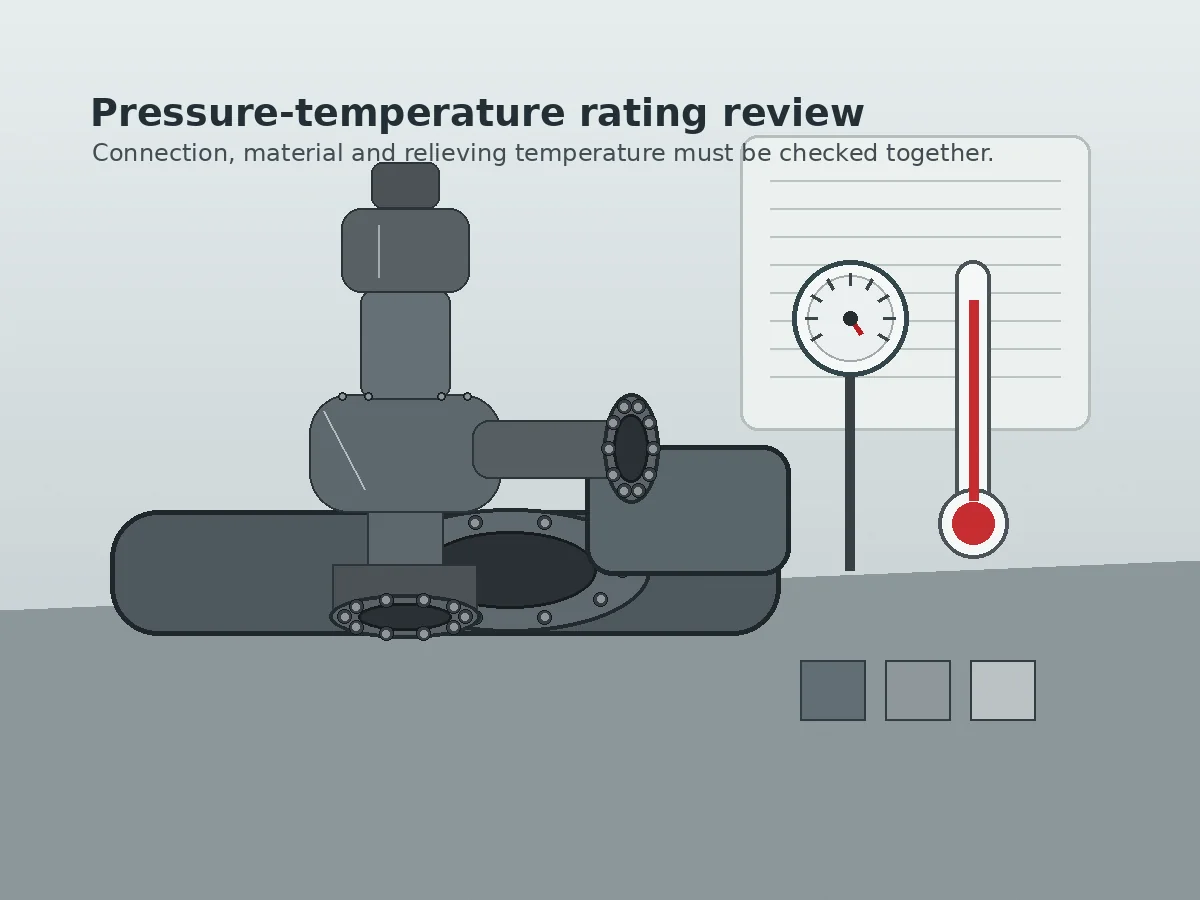
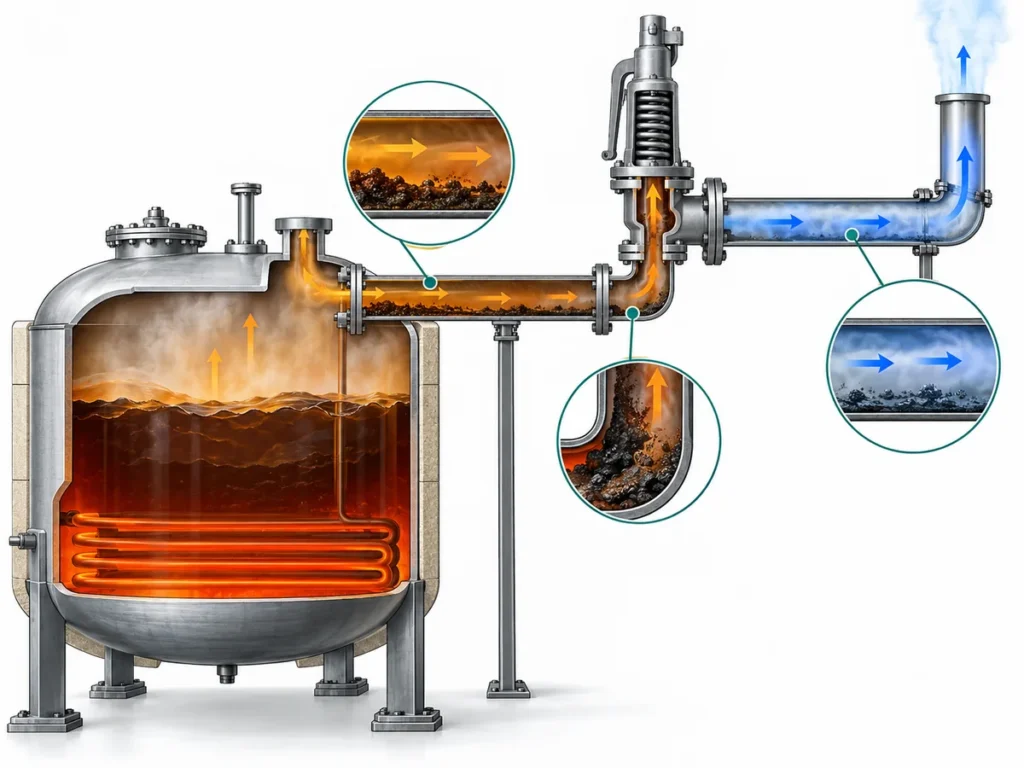
Visual explanation only; final rating depends on selected material, connection standard and applicable project requirements.
Valve Configuration: Spring Loaded, Bellows Balanced or Pilot Operated?
A high pressure safety valve may be spring loaded, bellows balanced or pilot operated, depending on the service condition and project requirements. The correct configuration cannot be selected only from the word “high pressure.”
Spring loaded
弹簧式安全阀 are direct acting and widely used, but high pressure service still requires set pressure, spring range, operating margin, seat design and stability review.
Bellows balanced
波纹管平衡式安全阀 may be considered where back pressure affects performance, but bellows material, temperature, fatigue, corrosion and bonnet venting must be checked.
Pilot operated
先导式安全阀 may suit some services, but the pilot system requires review of medium cleanliness, sensing line arrangement, tubing and maintenance.
Configuration boundary
The safest selection approach is to define the protected equipment and relief case first, then confirm pressure, capacity, medium, temperature, back pressure and documentation requirements.
Back Pressure, Inlet Loss and Installation Layout
High pressure safety valve performance is affected not only by the valve body but also by the piping system around it. Inlet loss, outlet back pressure, discharge reaction force and installation layout can influence stability and capacity.
The inlet line should be reviewed to avoid excessive pressure loss between the protected equipment and the valve inlet. Excessive inlet loss can contribute to chatter, reduced capacity or unstable operation. The inlet connection should be compatible with the equipment nozzle and rated for the actual pressure and temperature.
Back pressure also matters. Superimposed back pressure exists before the valve opens, while built-up back pressure develops during discharge. Back pressure may be constant or variable, depending on the discharge system. If back pressure is not reviewed, the selected valve may not achieve the expected lift, stability or capacity.
Outlet piping should be supported properly. Heavy discharge piping should not place harmful loads on the safety valve body. The discharge route should avoid blocked outlets, liquid accumulation, unsafe discharge toward personnel and unsupported reaction loads. Drainage, venting, bonnet vent treatment and safe discharge location must be reviewed according to the valve type, service condition and project specification. For detailed system checks, review the 安全阀安装指南 and the guide to 背压与波纹管.
Documentation and Testing for High Pressure Safety Valve Review
For high pressure service, documentation should be discussed before order placement, not after manufacturing or shipment. The required document package depends on the project, applicable standards, inspection plan and buyer requirements.
A typical review may include the valve datasheet, nameplate information, set pressure calibration record, shell or body pressure test record where applicable, seat tightness test requirement, material records, capacity basis and inspection release documents. If a project requires witness testing, third-party inspection or specific certificate formats, this should be stated in the RFQ.
| 文件/核查项目 | 其支持内容 | When to Confirm It |
|---|---|---|
| 阀门数据表 | Model, set pressure, connection, material, service and options | Before quotation and again before order confirmation |
| 铭牌数据 | Replacement comparison and installed valve identification | Before replacement selection |
| 整定压力校准记录 | Opening pressure adjustment and test basis | Before shipment or inspection release where required |
| Seat tightness test requirement | Leakage expectation and test scope | Before order if the project requires a specific leakage test |
| Material record | Body, trim or pressure-retaining material traceability where required | Before order if the project specification requires it |
| 排量基准 | Required relieving capacity, selected orifice and documented/certified capacity where applicable | Before final valve selection |
For replacement work, the buyer should provide the existing valve nameplate, photos, old datasheet, connection details, set pressure, capacity basis, service medium and operating history. Replacing a high pressure safety valve by appearance or connection size alone is not a safe engineering practice.
ZOBAI can review submitted parameters and help identify which information is still missing before quotation. Final acceptance still depends on actual service data, selected model limits, manufacturer documentation, applicable standard version, project specification and local regulatory requirements.
High Pressure Safety Valve RFQ / Selection Parameters Checklist
A complete RFQ allows the supplier and engineering team to evaluate the valve more accurately. The following checklist can be used before requesting quotation. For high pressure service, the goal is not only to obtain a price, but to make sure the quotation is based on enough engineering data to discuss valve type, connection, material, capacity and documentation requirements.
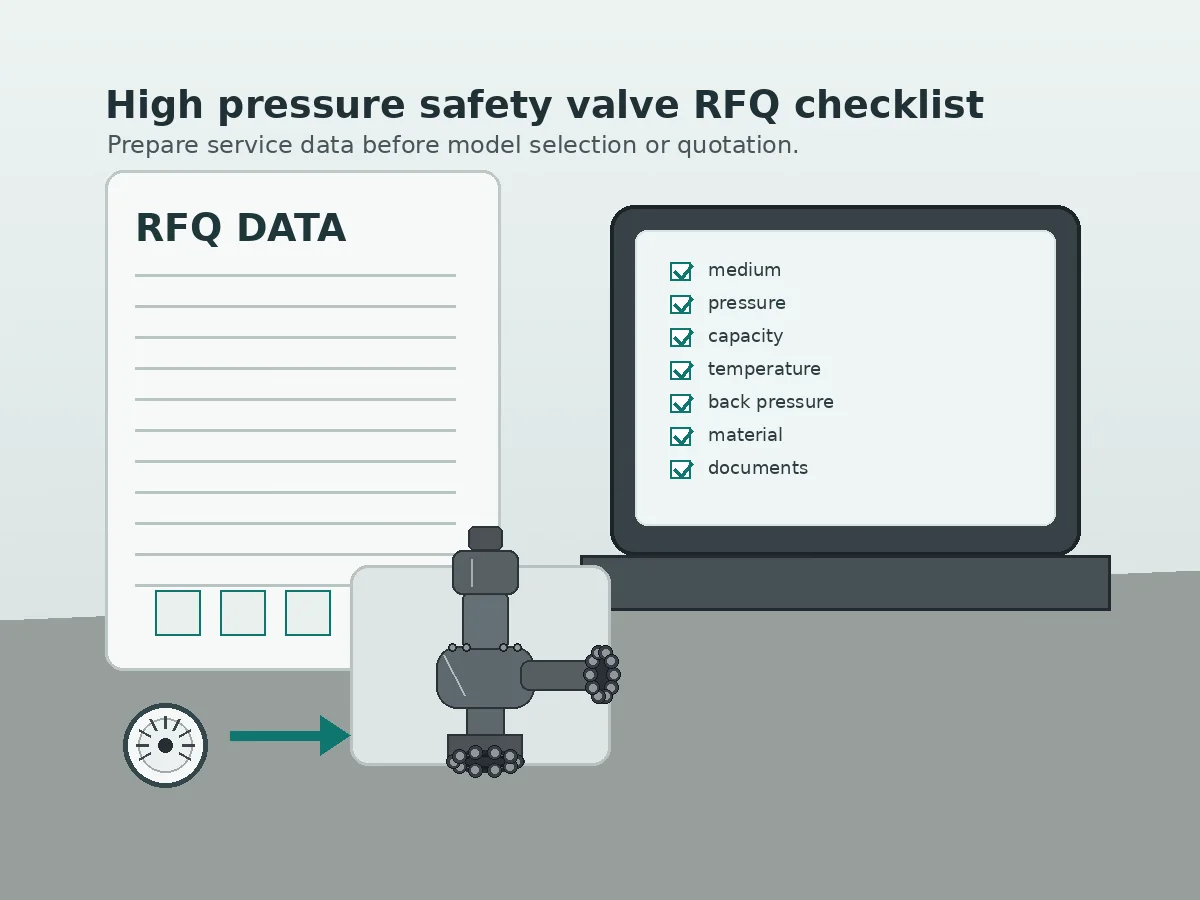
Checklist visual for inquiry preparation; actual valve selection requires project data and manufacturer review.
| 询价参数 | 重要性 | Buyer Input Needed |
|---|---|---|
| 受保护设备 | Defines the safety function | Boiler, vessel, reactor, compressor, pipeline, skid, heat exchanger or other equipment |
| 泄放工况 | Determines required capacity | Blocked outlet, fire case, regulator failure, thermal expansion, tube rupture or other governing case |
| 介质及相态 | Changes sizing, materials and valve type | Steam, gas, vapor, liquid, two-phase, corrosive, clean or dirty service |
| 工作压力 | Determines margin below set pressure | 正常工作压力与最大工作压力 |
| MAWP / 设计压力 | Defines protected equipment limit | Equipment MAWP, design pressure or project pressure basis |
| 整定压力 | Defines valve opening point | Required set pressure and applicable tolerance basis |
| 所需泄放量 | Determines flow area and capacity basis | Flow rate, units, calculation basis and required code basis where applicable |
| 泄放温度 | Affects material and pressure-temperature rating | Temperature at the relieving condition, not only normal operation |
| 背压 | Affects stability and configuration | Superimposed and built-up back pressure; constant or variable |
| 入口连接 | Confirms fit and rating | DN/NPS, flange class, PN rating, thread standard, facing and material |
| 出口连接 | Confirms discharge arrangement | Outlet size, flange/thread standard, discharge route and piping support |
| 材料 / 阀座 / 密封 | Affects compatibility and leakage | Body, trim, spring, seat, seal, gasket and project material requirements |
| 适用标准 | Defines design and documentation basis | ASME, API, ISO, EN/DIN, GB or project-specific requirement where applicable |
| 文件资料 | Defines inspection and handover scope | Datasheet, calibration record, material record, capacity basis, test report, inspection requirements |
| 更换数据 | Prevents unsafe substitution | Nameplate, photos, old datasheet, service history and existing installation details |
This checklist does not replace formal sizing or project approval. It is a practical starting point for RFQ preparation and engineering review.
Common Mistakes When Specifying a High Pressure Safety Valve
仅按压力等级选型
A flange class, PN rating or pressure label does not confirm set pressure suitability, capacity, temperature rating or material compatibility.
以连接尺寸作为排量依据
Two valves with the same inlet and outlet connection may not have the same orifice, lift, certified capacity or documented capacity basis.
Ignoring relieving temperature
A connection rating or material that appears suitable at ambient temperature may need further review at high relieving temperature.
Ignoring back pressure and outlet piping
A valve that looks correct on a datasheet can become unstable if the discharge system creates unacceptable pressure effects or mechanical loads.
Treating a standard name as the full specification
Referencing ASME, API, ISO, EN, DIN or GB may be important, but the buyer still needs to define the equipment, relief case, medium, pressure, temperature, capacity, material and document scope.
按外观替换
Old and new valves must be compared by set pressure, capacity basis, connection rating, material, service condition, installation layout and documentation requirements.
Request a High Pressure Safety Valve Engineering Review
Ask ZOBAI for engineering parameter review when the service is high pressure, the required capacity is unclear, the medium is steam, gas, vapor, liquid or two-phase, the relieving temperature is high, the outlet system may create back pressure, or the project requires specific documents.
Before requesting a final model or quotation, send the protected equipment, relief scenario, medium and phase, operating pressure, MAWP or design pressure, set pressure, required relieving capacity, relieving temperature, back pressure, inlet and outlet connection, material requirements, applicable standard and document scope.
- 被保护设备与泄放工况
- 介质、相态及泄放温度
- 工作压力、MAWP/设计压力及整定压力
- 所需泄放量与计算依据
- 背压与排放布置
- Connection, material, seat/seal and documents
ZOBAI can review the inquiry information and help identify whether the RFQ is complete enough for valve type, configuration, material, connection and document discussion. Final selection must still be confirmed against actual service data, manufacturer data, applicable standard version, project specification and local regulatory requirements.
Technical References for Further Review
The following references are useful directions for engineers and procurement teams when reviewing pressure relief device requirements. They are listed for technical orientation only. Final project requirements depend on the applicable standard edition, project specification, manufacturer data and local regulatory review.
| 参考方向 | 重要性 | How to Use It in RFQ Review |
|---|---|---|
| ASME BPVC 第 XIII 卷 | Provides a recognized framework for overpressure protection and pressure relief device requirements in applicable pressure equipment contexts. | Use it to clarify project expectations for design basis, inspection, testing, marking and documentation where the project specifies ASME-related requirements. |
| API 520 Part 2 | Provides installation-related guidance for pressure-relief devices in applicable refinery, petrochemical and process-industry systems. | Use it as a reference direction when discussing inlet loss, outlet piping, back pressure, discharge routing and installation review. |
| National Board technical guidance on temperature considerations | Helps explain why service temperature and back pressure can affect how set pressure and safety valve performance are reviewed in service. | Use it to support engineering discussion around service temperature, superimposed back pressure, built-up back pressure and replacement review. |
Reference limitation: These links are provided for technical reference direction only. This article does not reproduce standard text and does not state that ZOBAI automatically complies with every listed standard, certificate or jurisdictional requirement. The applicable code basis, document scope and inspection requirements must be confirmed for each project before final selection.
常见问题
什么算高压安全阀?
A high pressure safety valve is a safety valve intended for pressure protection in higher-pressure service, but there is no universal selection decision based only on the phrase “high pressure.” Suitability depends on protected equipment, relief scenario, set pressure, required capacity, temperature, medium, connection rating, material and applicable project requirements.
整定压力与工作压力相同吗?
不。工作压力是系统的正常压力。整定压力是安全阀在规定条件下调整至开启的压力。在高压工况下,应审查工作压力与整定压力之间的裕量,以避免泄漏、前泄或不稳定运行。
我可以根据连接尺寸选择高压安全阀吗?
不。连接尺寸并不能证明泄放能力。必须根据所需泄放量、所选流道面积或流通面积、制造商数据以及项目要求的任何经认证或记录在案的排量依据来校核阀门。
高压安全阀定径需要哪些信息?
买方应提供受保护设备、泄放工况、介质及相态、工作压力、MAWP或设计压力、整定压力、所需泄放量、泄放温度、背压、连接形式、材质要求以及适用的标准或项目规范。
高压工况是否一定需要先导式安全阀?
序号 根据工况,可考虑弹簧式、波纹管平衡式和先导式设计。正确配置取决于压力余量、介质清洁度、背压、温度、维护要求、项目验收及制造商限制。
为什么压力-温度额定值很重要?
压力-温度等级用于判断所选材料与连接等级在相应温度下是否仍然适用。在某一温度下看似合适的阀门或法兰等级,在实际泄放温度下可能需要进一步校核。
询价前需要向ZOBAI提供哪些信息?
请提供设备类型、泄放工况、介质、工作压力、设计压力或 MAWP、整定压力、所需泄放量、泄放温度、背压、进出口连接、材质要求、适用标准、所需文件、数量,以及用于更换的现有数据表或铭牌。.