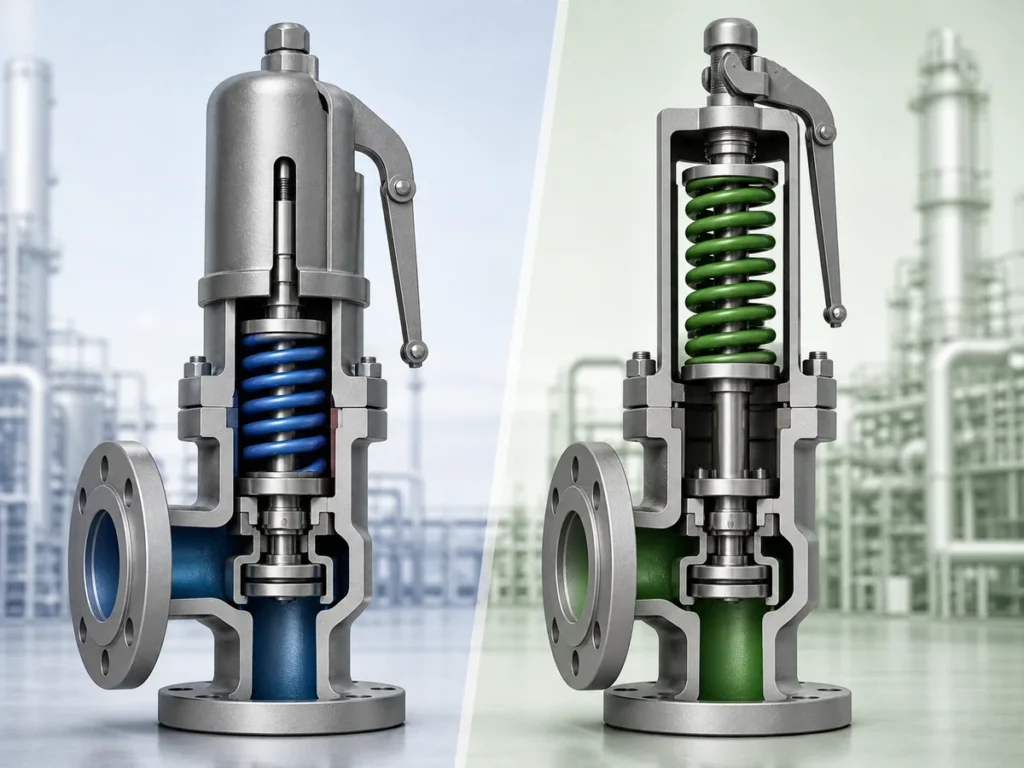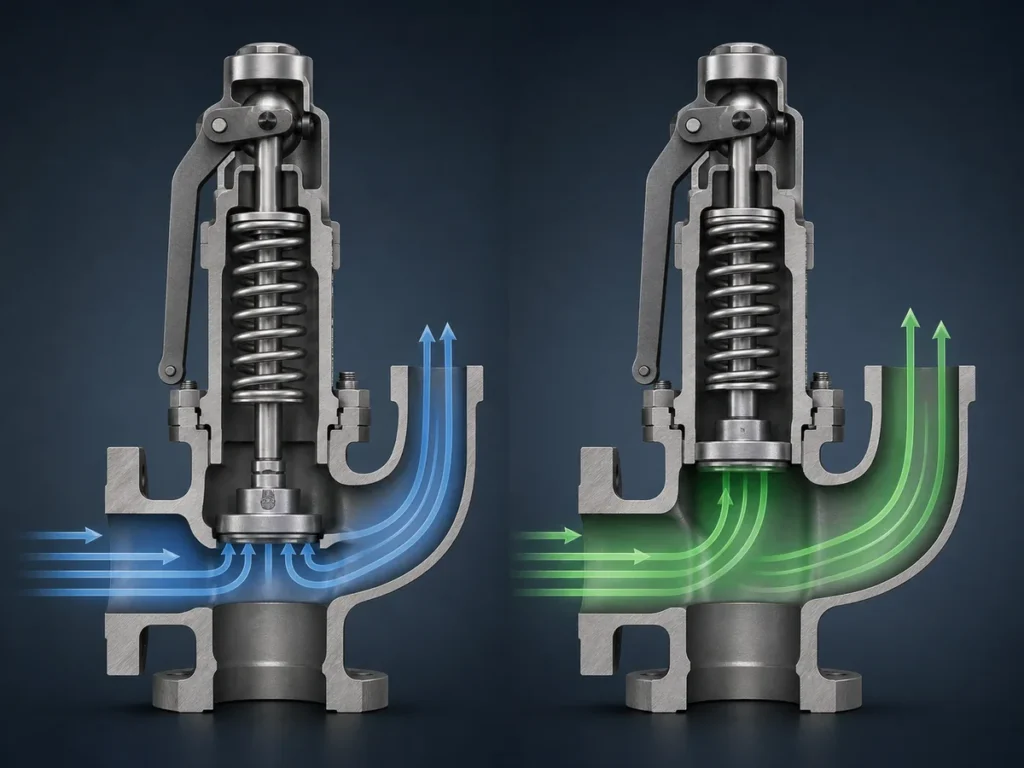
Selecting a cryogenic safety valve for LNG service should begin only after the relief basis is defined well enough to support candidate screening. If the governing relief duty or relieving phase is still unresolved, the correct selection decision is HOLD, not an assumed valve type. This guide addresses the next step: screening a valve candidate …

Selecting a cryogenic safety valve for LNG service should begin only after the relief basis is defined well enough to support candidate screening. If the governing relief duty or relieving phase is still unresolved, the correct selection decision is تعليق, ، وليس نوعًا مفترضًا للصمام.
يتناول هذا الدليل الخطوة التالية: فحص مرشح صمام مقابل واجب تنفيس LNG محدد مسبقًا. لا يقوم بحساب حمولة التنفيس المطلوبة أو حجم الصمام. بدلاً من ذلك، يتحقق مما إذا كانت عائلة تصميم المرشح، والبناء لدرجات الحرارة المنخفضة، وأساس المقعد والتسرب، والترتيب الحراري، وظروف المخرج، والوثائق الداعمة متوافقة بما يكفي للمتابعة إلى المراجعة الهندسية وطلب عرض السعر.
هل أنت مستعد لاختيار صمام أمان مبرد لخدمة LNG؟
أنت مستعد لمقارنة مرشحي الصمامات فقط عندما يكون أساس التنفيس العلوي محددًا جيدًا بما يكفي لوصف الواجب المقدم إلى الصمام. المنتج الموصوف بأنه مناسب لخدمة LNG أو الخدمة المبردة لا ينشئ أساس التنفيس هذا. ملاءمة المنتج ومتطلبات تنفيس النظام هما سؤالان هندسيان مرتبطان، لكنهما ليسا نفس السؤال.
ما الذي يجب أن يكون محددًا مسبقًا؟
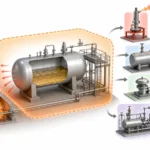
تتطلب عملية الاختيار تحديد واجب حماية محدد، وحالة تنفيس حاكمة، وواجب تنفيس مطلوب محدد من تحليل التنفيس الأولي. يُدخل هذا الواجب المطلوب إلى هذا الدليل كمدخل؛ ولا يُعاد حسابه هنا. يجب أيضًا أن يكون وسيط التنفيس وطوره واضحين بما يكفي لتحديد ما إذا كانت الأدلة المرشحة تنطبق على الواجب المقصود.
لذلك تسأل بوابة الجاهزية عما إذا كان الأساس الهندسي ناضجًا بما يكفي لفحص مكوّن. وهي لا تشهد على اكتمال حساب المقاسات أو تصميم النظام أو الموافقة النهائية على المشروع.
| سؤال الجاهزية | استجابة الاختيار |
|---|---|
| هل واجب الحماية وأساس التنفيس الحاكم محددان؟ | إذا كانت الإجابة نعم، تابع. إذا لم يكن كذلك، توقف وارجع إلى أساس التنفيس الأولي. |
| هل تم تحديد متطلبات التنفيس المطلوبة مسبقًا من الجهة العليا؟ | قم بتمريرها كمدخل للاختيار. لا تستبدلها بالمقاس الاسمي للصمام أو بيانات الكتالوج. |
| هل تم تحديد وسيط التنفيس وحالته بشكل كافٍ؟ | تابع فقط مع الأدلة المرشحة التي يتوافق نطاق خدمتها مع تلك المتطلبات. |
| هل يعتمد الطلب فقط على كلمتي “LNG” أو “مبرد”؟ | توقف. هذه التسميات ليست أساسًا هندسيًا كاملاً للاختيار. |
ما الذي لا يُعتبر أساسًا كاملاً للاختيار؟
قد يكون حجم التوصيل الاسمي، أو فئة الضغط، أو اسم المادة المألوف، أو وصف المنتج المبرد العام ذا صلة لاحقًا، لكن لا شيء منها يحل محل متطلبات التنفيس المحددة. البدء بهذه الحقول يمكن أن يعكس التسلسل الهندسي: يبدأ المشتري بصمام متاح ويحاول جعل المتطلبات تناسبه.
التسلسل الصحيح هو العكس. حدد المتطلبات أولاً، ثم اختبر ما إذا كانت الأدلة المرشحة تطابقها.
حدد متطلبات التنفيس وحالة التنفيس قبل مقارنة تصميمات الصمامات
حالة التنفيس هي متغير اختيار لأن الأدلة المرشحة يمكن أن تكون محدودة بالحالة. لا ينبغي تعميم الأدلة المحددة لحالة تنفيس واحدة تلقائيًا على حالة أخرى لمجرد أن كلا المتطلبين يتضمنان LNG.
انقل حالة التنفيس إلى مراجعة المرشحين
يجب أن تظل شاشة الصمام مرتبطة بالواجب المحدد. يحتاج المراجع إلى معلومات كافية لتحديد وسيط التنفيس وطوره، والواجب المطلوب المحدد مسبقًا، وظروف الخدمة التي سيتم التحقق من نطاق المرشح الموثق مقابلها.
| مدخلات الاختيار | لماذا يهم ذلك في مراجعة المرشح | إذا لم يتم الحل |
|---|---|---|
| واجب التنفيس الحاكم | يحدد الطلب الذي يجب تقييم المرشح على أساسه. | الاحتفاظ بدلاً من استنتاج المتطلب من الصمام. |
| وسيط التنفيس وطوره | يحدد ما إذا كانت أدلة المرشح تغطي حالة الخدمة الفعلية. | الاحتفاظ بدلاً من استبدال أساس الطور المفترض. |
| ظروف الخدمة ذات الصلة | يوفر الأساس للتحقق من البناء منخفض الحرارة والأدلة الأخرى الحساسة للخدمة. | الاحتفاظ إذا تعذر مطابقة المرشح مع الواجب المقصود. |
الطور هو حد للأدلة
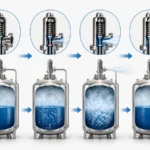
قد تتوفر أدلة لتصميمات مختلفة لأجهزة التنفيس لحالات مختلفة من المائع. لا ينبغي قبول مرشح موثق لحالة واحدة لحالة تنفيس مختلفة دون دليل على أن النطاق الموثق يمتد إلى تلك الحالة.
إذا كان أساس مرحلة المشروع غير محدد، فإن الإجراء الصحيح هو تعليق. إذا كانت المرحلة معروفة ولكن أدلة المرشح لا تثبت التغطية، فاحتفظ بالمرشح قيد الانتظار لحين توفر الأدلة. إذا تعارض النطاق الموثق للمرشح مع مرحلة التنفيس المحددة،, رفض ذلك المرشح لمسار الاختيار الحالي. لا ينبغي للمقال أن يملأ أيًا من هذه الفجوات بافتراض مناسب.
افصل الاختيار عن حساب المقاسات
لا يحدد هذا الدليل التدفق المطلوب، ولا يحسب فتحة التصريف، ولا يعيد إنتاج تحليل التنفيس الأولي. تلك المهام تحدد الطلب المفروض على جهاز التنفيس. يبدأ اختيار المرشح بذلك الطلب المحدد ويسأل عما إذا كان تكوين صمام معين مدعومًا له.
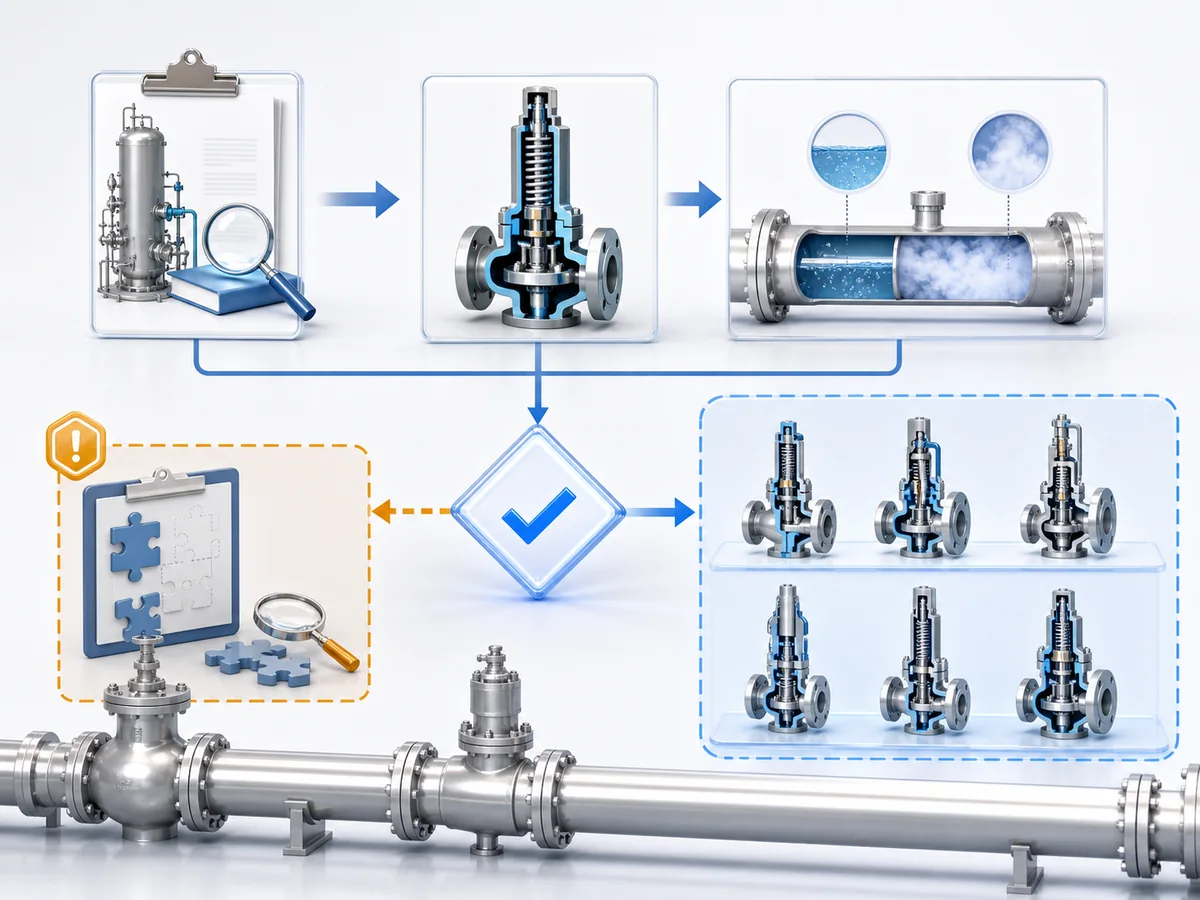
اختر عائلة تصميم الصمام بناءً على الواجب، وليس على ملصق LNG
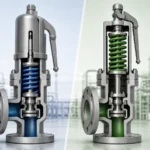
لا توجد قاعدة قائمة على الأدلة تفيد بأن بنية صمام واحدة هي الأفضل عالميًا لخدمة LNG. يمكن أن توجد أجهزة تنفيس بنابض مباشر، ومتوازنة، وتعمل بالبايلوت في تطبيقات التبريد العميق. السؤال المفيد إذن ليس “أي نوع هو نوع LNG؟” بل “أي عائلات التصميم تظل ذات مصداقية في ظل الواجب المحدد والظروف المركبة؟”
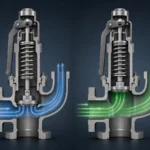
لا تستجيب البنيات بشكل متطابق لكل حالة نظام. الضغط الخلفي هو مثال واحد: يمكن أن يؤثر على سلوك الصمام التقليدي المحمل بنابض، بينما قد تدير الترتيبات المتوازنة أو التي تعمل بالبايلوت هذا التأثير بشكل مختلف في تصميمات محددة. السلوك والحدود المقبولة الدقيقة تظل خاصة بالمرشح.
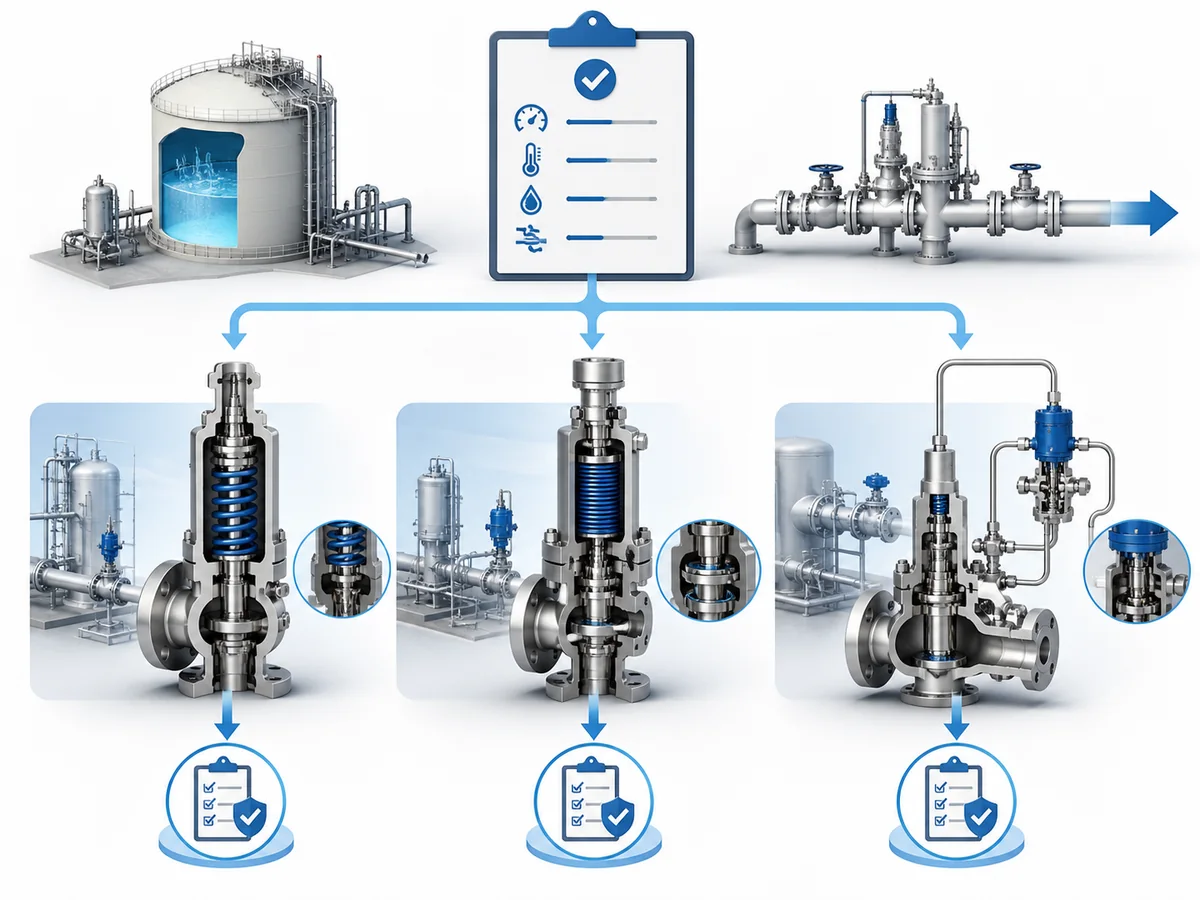
تصميمات النابض المباشر تظل خيارًا مشروطًا
يمكن أن يكون التصميم التقليدي ذو النابض المباشر مرشحًا مشروعًا للتبريد العميق عندما يتطابق نطاق خدمته الموثق مع الواجب. نظرًا لأن تغير الضغط الخلفي يمكن أن يؤثر على سلوك الصمام التقليدي المحمل بنابض، لا يمكن تجاهل حالة المصب عندما تكون ذات صلة بالنظام المركب.
وجود صمامات تبريد عميق بنابض مباشر يدحض أيضًا اختصارًا شائعًا: التشغيل بالبايلوت ليس شرطًا مسبقًا لمجرد أن الخدمة هي LNG.
التصاميم المتوازنة تعالج تأثيرًا محددًا في النظام
يمكن استخدام الترتيبات المتوازنة لتقليل أو تعويض تأثير الضغط الخلفي في تصاميم محددة. وهذا يجعلها ذات صلة عندما تكون ظروف المخرج جزءًا مهمًا من مشكلة الاختيار.
It does not make “balanced” a blanket answer. The actual behavior and limits belong to the specific candidate evidence, and a balanced mechanism does not remove the need to understand the installed discharge condition.
Pilot operation is another legitimate architecture, not a universal upgrade
Pilot-operated pressure-relief devices are also used in cryogenic applications. Their operating characteristics can differ materially from conventional direct-spring designs, including how particular designs respond to back pressure.
Those differences make pilot-operated designs a legitimate branch in the selection process, not a default hierarchy. Before proceeding, the reviewer still has to establish that the particular candidate covers the required relieving state, cryogenic duty, outlet condition, and project documentation requirements.
Verify Low-Temperature Construction, Materials, Seat Requirements, and Thermal Isolation
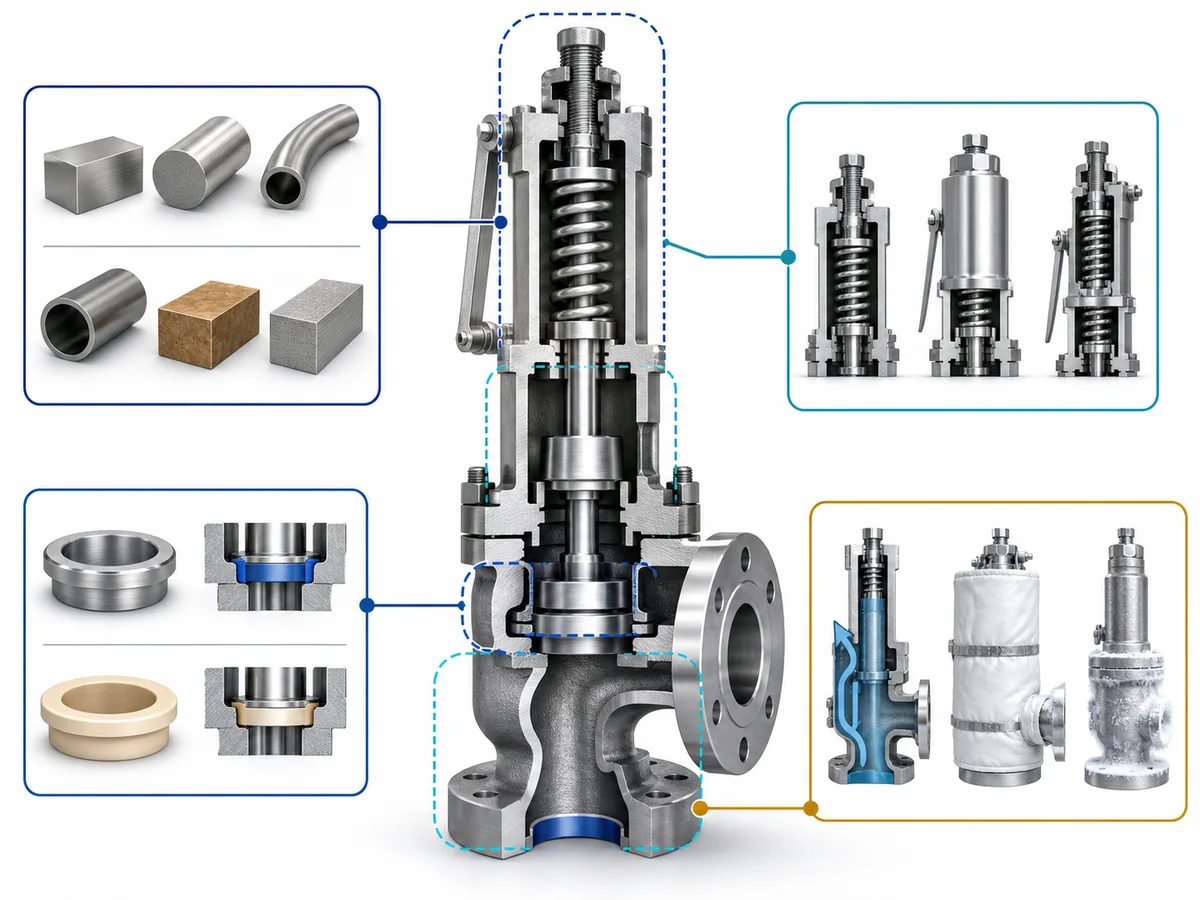
A candidate should not be accepted as cryogenic-suitable because of one material designation, one seat type, or one visible bonnet feature. Cryogenic pressure-relief suitability is a device-level question involving the complete configuration, its low-temperature service evidence, the seat and leakage requirement, and the way the relevant assembly is documented for the cold condition.
This is why generic rules such as “use stainless steel,” “use a metal seat,” or “use an extended bonnet” are not sufficient selection logic. Real cryogenic relief-valve designs use different material families, seat arrangements, and bonnet configurations. No single feature, by itself, proves suitability for the defined LNG duty.
Verify materials against the actual low-temperature duty
The material name is only one part of the check. Low-temperature suitability has to be supported for the relevant service condition and for the pressure-containing or functionally important components to which that evidence applies.
Different metallic material families are used in real cryogenic relief-valve construction, so material screening should focus on documented suitability for the defined duty rather than a universal list copied from another valve or application.
Treat seat construction and leakage acceptance as separate checks
Both metal and nonmetallic seat or sealing arrangements are used in cryogenic relief devices. That evidence does not support a universal claim that one seat category is inherently correct for LNG service.
Seat construction tells the reviewer what is supplied; it does not, by itself, prove that the project’s leakage or tightness requirement is met. The buyer needs a defined acceptance basis and evidence that the proposed candidate satisfies it. If the project requires a tighter leakage condition than the otherwise applicable basis, that requirement must be stated rather than assumed.
A vague claim such as “leak tight” is therefore less useful than a documented test or acceptance basis that can be compared with the project requirement.
Verify bonnet and thermal arrangement without imposing a universal geometry
Cryogenic safety valves exist with different bonnet configurations. Bonnet geometry and thermal isolation are therefore legitimate verification fields, but the evidence does not support a blanket rule that one arrangement is required for every LNG duty.
The candidate review should establish what construction is actually supplied, how the manufacturer documents that configuration for the relevant cold exposure, and whether that documented scope matches the defined duty. The bonnet arrangement should not be used as a stand-alone proxy for cryogenic suitability.
Review the complete cryogenic evidence package
A useful cryogenic review looks across several categories rather than searching for one decisive feature:
- materials of pressure-containing and functionally important components;
- the candidate’s documented low-temperature service scope;
- seat and sealing construction;
- the required leakage or tightness acceptance basis;
- bonnet and thermal configuration;
- the test or documentation basis used to support the claimed service.
If a decision-critical category is missing, the candidate stays on HOLD. Missing evidence should not be converted into a positive claim, but it should not automatically be treated as proof that the valve is technically unsuitable either.
Check the Outlet, Back Pressure, and Discharge Interface Before Accepting the Candidate
A valve that appears suitable from its inlet-side duty can still require further review because of conditions at its outlet. Back pressure belongs to the installed discharge system and can influence relief-valve behavior, so the candidate should not be accepted without establishing the relevant outlet condition when the design depends on it.
Distinguish the source of back pressure
Back pressure can arise because relief flow passes through the downstream discharge path, and pressure may also already exist at the outlet because of the wider system to which the valve discharges. These are different system conditions, but both can matter to candidate selection.
The selection guide does not calculate those conditions. It establishes whether they are known well enough to compare with the candidate’s documented behavior and whether any unresolved system hydraulics must be handled elsewhere.
| Outlet-interface question | Candidate-selection implication |
|---|---|
| Is the relevant outlet condition known? | If not, HOLD when candidate acceptability depends on that condition. |
| هل يمكن أن يؤثر الضغط في اتجاه مجرى النهر على التصميم المختار؟ | تحقق من السلوك الموثق للمرشح بدلاً من افتراض حدود عامة. |
| هل حالة المخرج معروفة، لكن الأدلة على المرشح مفقودة أو غير مكتملة؟ | توقف. الأدلة المفقودة ليست مثل عدم التطابق الموثق. |
| هل تتعارض حالة التركيب المعروفة مع النطاق الموثق للمرشح؟ | ارفض هذا المرشح لمسار الاختيار الحالي. |
| هل يعتمد القبول على هيدروليكيات مترابطة غير محلولة؟ | وجّه هذا التحليل إلى مالك نظام التصريف/التفريغ بدلاً من توسيع مقالة الاختيار هذه لتشمل التصميم الهيدروليكي. |
لا تحوّل شاشة المكون إلى حساب لنظام التصريف
تنتمي هيدروليكيات أنابيب المخرج التفصيلية والأنظمة المترابطة إلى هندسة التصريف على مستوى النظام. يجب أن تحدد هذه المقالة متى يكون هذا التحليل ضروريًا، وليس إعادة إنتاجه.
The escalation point is practical: if the candidate can be screened against an established outlet condition, continue the component review. If the required outlet condition itself depends on unresolved scenario-specific hydraulics, the selection remains on HOLD until that system analysis is completed.
Use HOLD and REJECT differently
An unknown outlet condition, or a known condition for which the candidate evidence is insufficient, is normally a تعليق. A documented conflict between the known installed condition and the candidate’s supported operating scope is a رفض.
Keeping those states separate prevents an evidence gap from being mistaken for a technical failure.
Close the Selection With Documentation, Reject/Hold Logic, and an Evidence-Ready RFQ
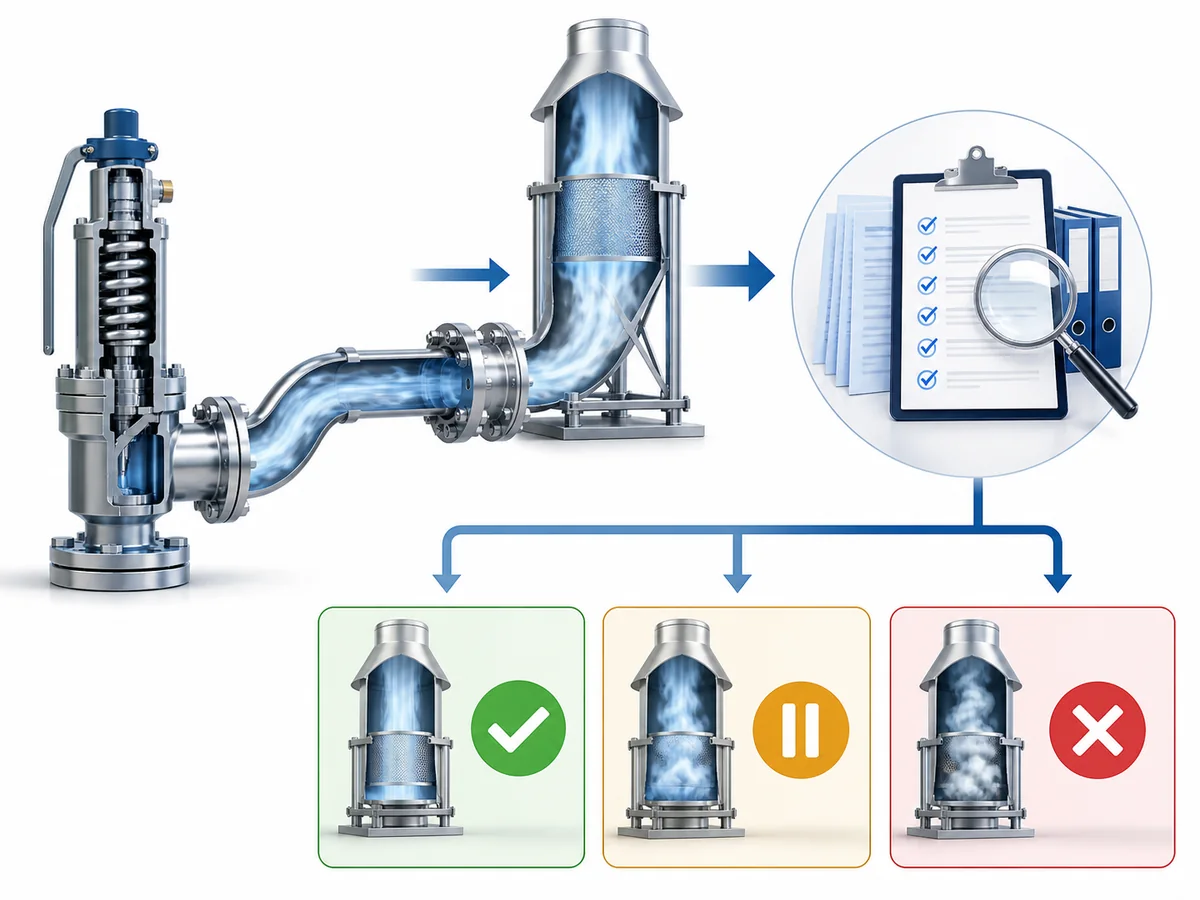
The final selection result should not be a vague statement that the valve “looks suitable.” Close the screen with one of three explicit states: متابعة, تعليق, or رفض.
متابعة means the defined LNG duty and the candidate evidence are aligned well enough to continue into final engineering and RFQ review. It does not mean final approval for installation, operation, compliance, or project acceptance.
Use documentation to prove the candidate you are actually reviewing
The evidence package should relate to the specific proposed configuration rather than to a general product family or a generic cryogenic claim. Depending on the applicable project framework, the review may need documentation addressing areas such as:
- the defined relieving duty and phase carried forward from upstream engineering;
- the candidate’s documented cryogenic service scope;
- pressure-containing and functionally important materials;
- seat and sealing construction;
- the leakage or seat-tightness acceptance basis;
- bonnet and thermal configuration;
- outlet and back-pressure applicability;
- design, manufacture, inspection, testing, or other project-required evidence where applicable;
- capacity evidence required by the governing project basis, without recalculating capacity in this selection guide.
Testing, capacity evidence, formal conformity evidence, and project approval are not interchangeable concepts. A document should be used only for the claim and scope it actually establishes.
Apply PROCEED, HOLD, and REJECT consistently
| قرار | استخدمه عندما | What happens next |
|---|---|---|
| متابعة | The upstream relief basis is defined, the duty and phase align with the candidate evidence, cryogenic construction and leakage requirements are sufficiently supported, the relevant outlet condition is established, and the decision-critical documentation is available for review. | Continue to final engineering and RFQ review. |
| تعليق | A decision-critical input, candidate document, outlet condition, project requirement, or supplier-specific fact remains unresolved. | Request the missing information or return the unresolved engineering item to its correct owner. |
| رفض | A known project requirement conflicts with the documented candidate scope. | Remove that candidate from the current selection path and review another supported configuration. |
Turn unresolved fields into RFQ inputs instead of assumptions
If the final valve has not yet been selected, the RFQ should carry forward unresolved technical fields rather than replace them with supplier assumptions. Those fields can include the defined duty and phase, cryogenic service requirement, seat/leakage requirement, relevant outlet condition, and the documentation that the project expects the supplier to provide.
Supplier-specific facts remain supplier-specific. A buyer should not infer a material, seat configuration, low-temperature capability, back-pressure limit, test result, formal conformity status, or project acceptance simply because another valve or another manufacturer documents that feature.
Keep the final engineering boundary visible
This selection workflow is designed to improve the quality of the candidate presented for engineering review. It does not replace the upstream relief analysis, detailed discharge-system analysis, project-specific compliance review, or final verification of the supplied valve documentation.
The most useful final question is therefore not “Is this an LNG safety valve?” It is:
Does the documented candidate match the defined LNG relief duty closely enough to proceed to engineering review, or is there a known mismatch or unresolved evidence gap that requires REJECT or HOLD?