Closed Bonnet vs Open Bonnet Safety Valve: Design Differences, Applications and Selection Guide Closed bonnet and open bonnet safety valve selection is an engineering configuration decision. The correct choice depends on service condition, environmental exposure, maintenance philosophy and application requirements. Selection Boundary: Closed bonnet is not automatically better. Open bonnet can be the correct engineering …

封闭式与开放式安全阀:设计差异、应用及选型指南
Closed bonnet and open bonnet safety valve selection is an engineering configuration decision. The correct choice depends on service condition, environmental exposure, maintenance philosophy and application requirements.
Selection Boundary: Closed bonnet is not automatically better. Open bonnet can be the correct engineering choice when accessibility and service conditions justify the arrangement.
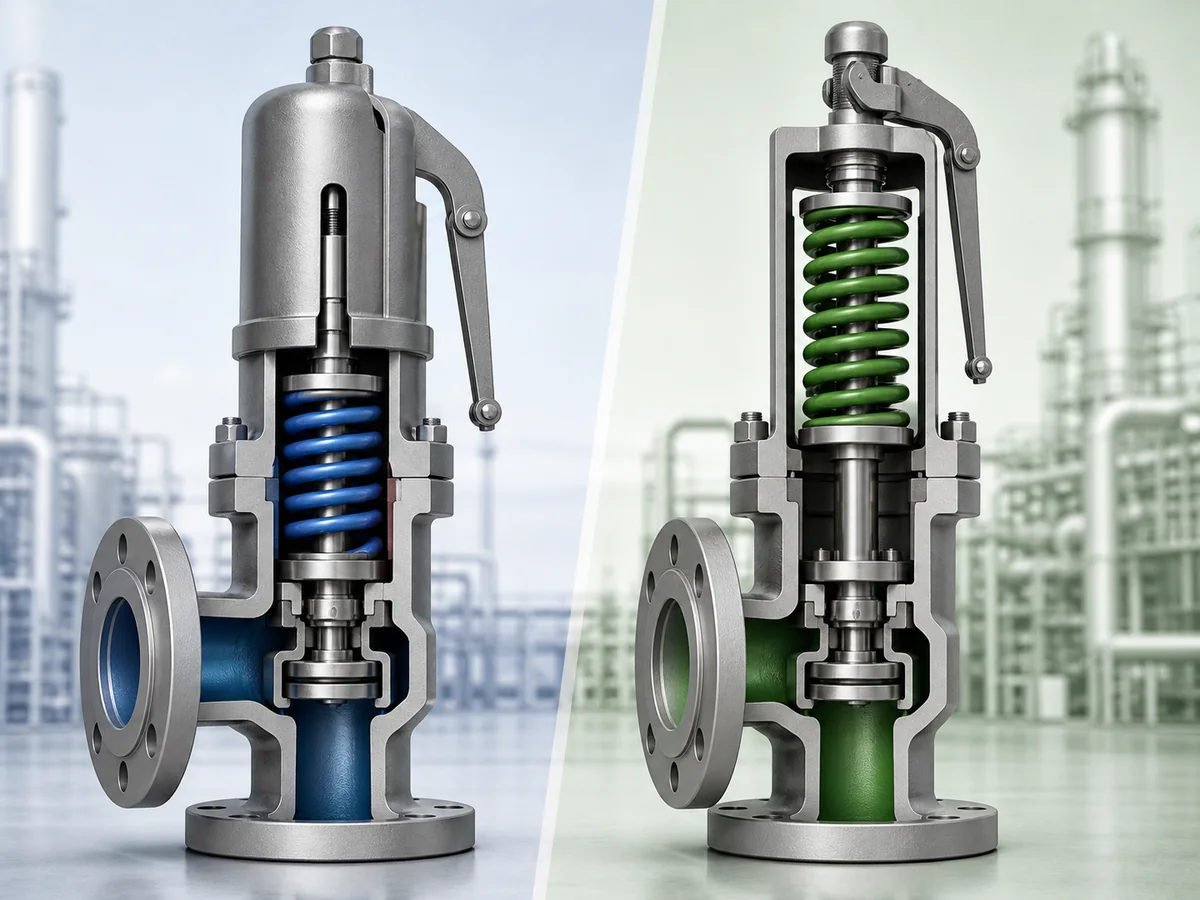
Closed Bonnet Safety Valve Definition
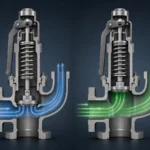
A closed bonnet safety valve encloses the spring and adjustment mechanism to reduce exposure to dust, corrosion, weather and external contamination.
Open Bonnet Safety Valve Definition
An open bonnet safety valve provides direct access and visibility around the spring area when the environment allows spring exposure.
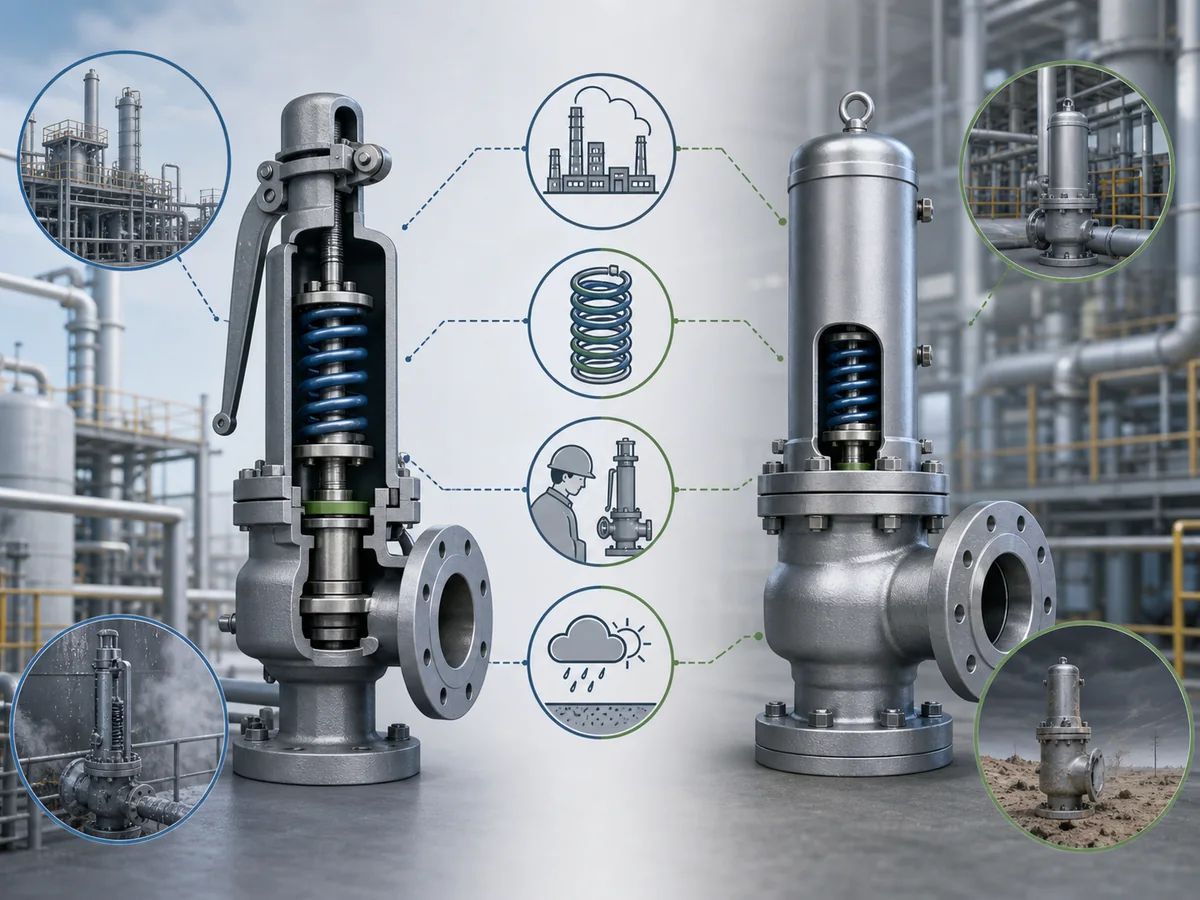
Closed Bonnet vs Open Bonnet Engineering Comparison
| Factor | Closed Bonnet | Open Bonnet |
|---|---|---|
| Spring protection | Protected from environment | Spring exposed |
| Inspection | Controlled access | Direct access |
| Contamination | Reduced exposure | Environment dependent |
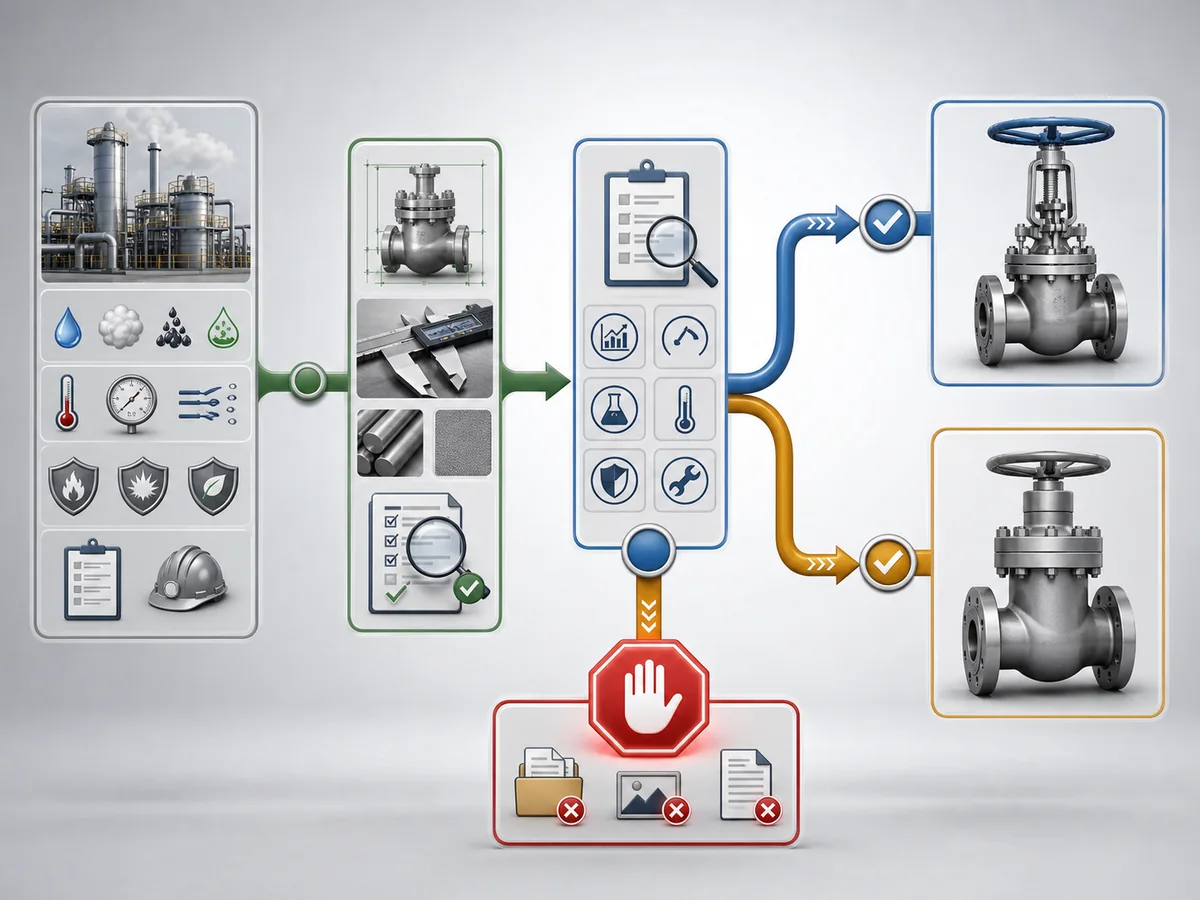
Bonnet Selection Decision Framework
1. Review Service Condition
Confirm medium, phase, pressure, temperature, contamination and corrosion risk.
2. Review Protection Requirement
Determine whether spring chamber protection or direct accessibility is the priority.
3. Confirm Engineering Data
Verify materials, capacity basis, installation requirements and manufacturer documentation.
Replacement Risk: Do Not Change Bonnet Type by Appearance
A closed bonnet replacement is not automatically equivalent to an open bonnet valve with the same inlet size and set pressure.
| Confirm | Reason |
|---|---|
| Relief scenario | Defines protection duty |
| Capacity | Confirms sizing basis |
| Temperature | Confirms material boundary |
| Medium | Confirms compatibility |
| Materials | Confirms service suitability |
RFQ Checklist Before Selecting Bonnet Type
- Protected equipment
- Relief scenario
- Medium and phase
- Operating and relieving temperature
- Required capacity
- Back pressure
- Material requirements
- Installation arrangement
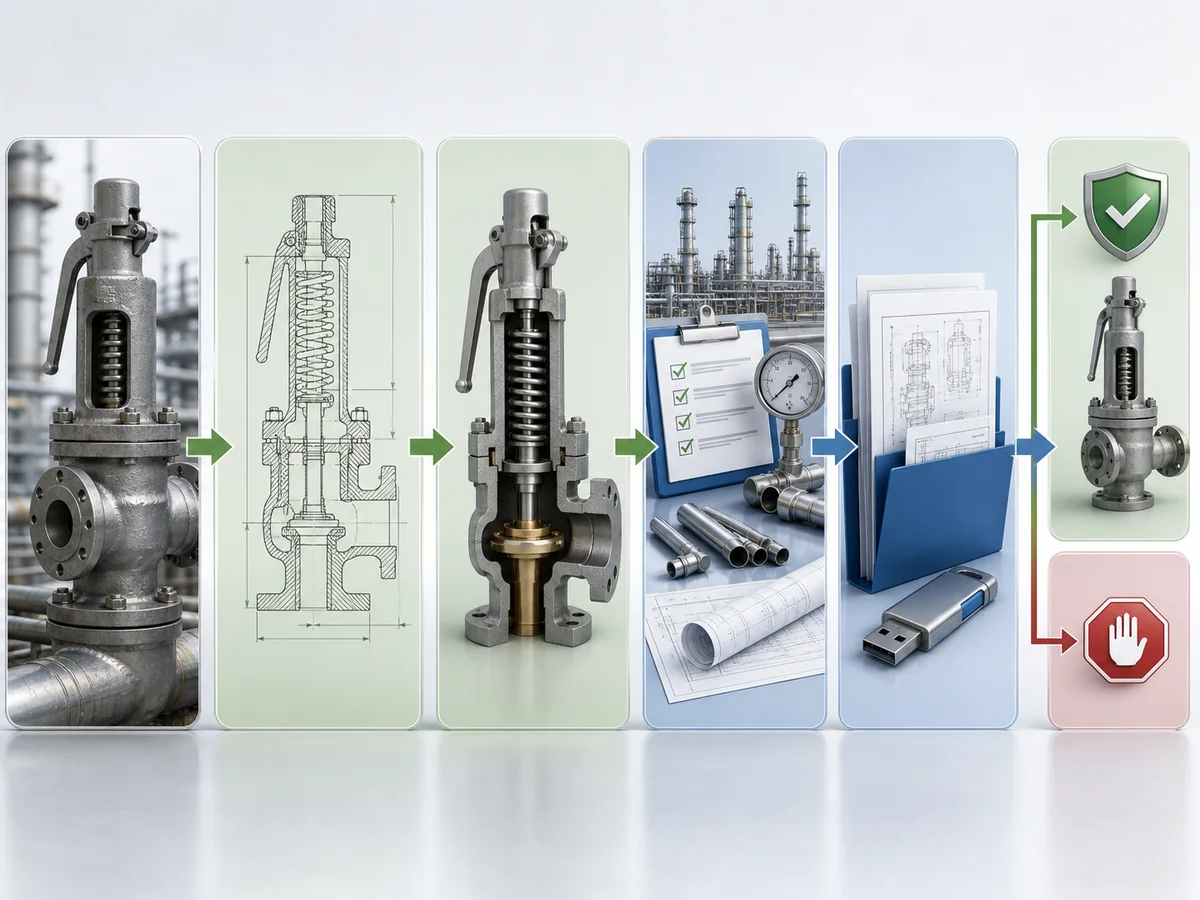
Expert Boundary
Related configuration review: 波纹管平衡式安全阀.
Bonnet selection does not determine certified relieving capacity, set pressure, sizing, code compliance or complete relief-system performance. Those require separate verification.
Composite Engineering Scenarios
Corrosive Chemical Service
Review spring exposure, materials and maintenance history before changing configuration.
Steam Accessibility Requirement
Balance inspection access against temperature and environmental exposure.
Replacement Project
Confirm relief scenario, capacity, pressure, temperature and documentation.
Ask a Safety Valve Engineer
Provide medium, phase, pressure, temperature, capacity, back pressure, materials and installation information for engineering review.