选型指南 法兰式安全泄放阀选型指南 法兰式安全泄放阀是一种带螺栓法兰连接的压力泄放装置,适用于需要法兰对中、维护检修通道或项目管道等级控制的设备或管道系统。主要选型风险在于将法兰尺寸、法兰等级或旧阀照片视为完整的……

选型指南
法兰式安全泄放阀选型指南
A flanged safety relief valve is a pressure relief device with bolted flange connections for equipment or piping systems that require flange alignment, maintenance access or project piping-class control. The main selection risk is treating flange size, flange class or an old valve photo as the complete specification. A correct RFQ must still confirm protected equipment, relief scenario, medium and phase, operating pressure, MAWP or design pressure, set pressure, required relieving capacity, relieving temperature, superimposed and built-up back pressure, inlet and outlet flange data, materials, seat, spring, bellows and documents. Use this guide to prepare the data package before asking ZOBAI to review a flanged safety relief valve inquiry.
主要选型风险
Choosing by flange size, pressure class or old photos alone.
Key engineering boundary
Flange rating, set pressure and required capacity are different inputs.
下一步
Send service data and flange data before RFQ.
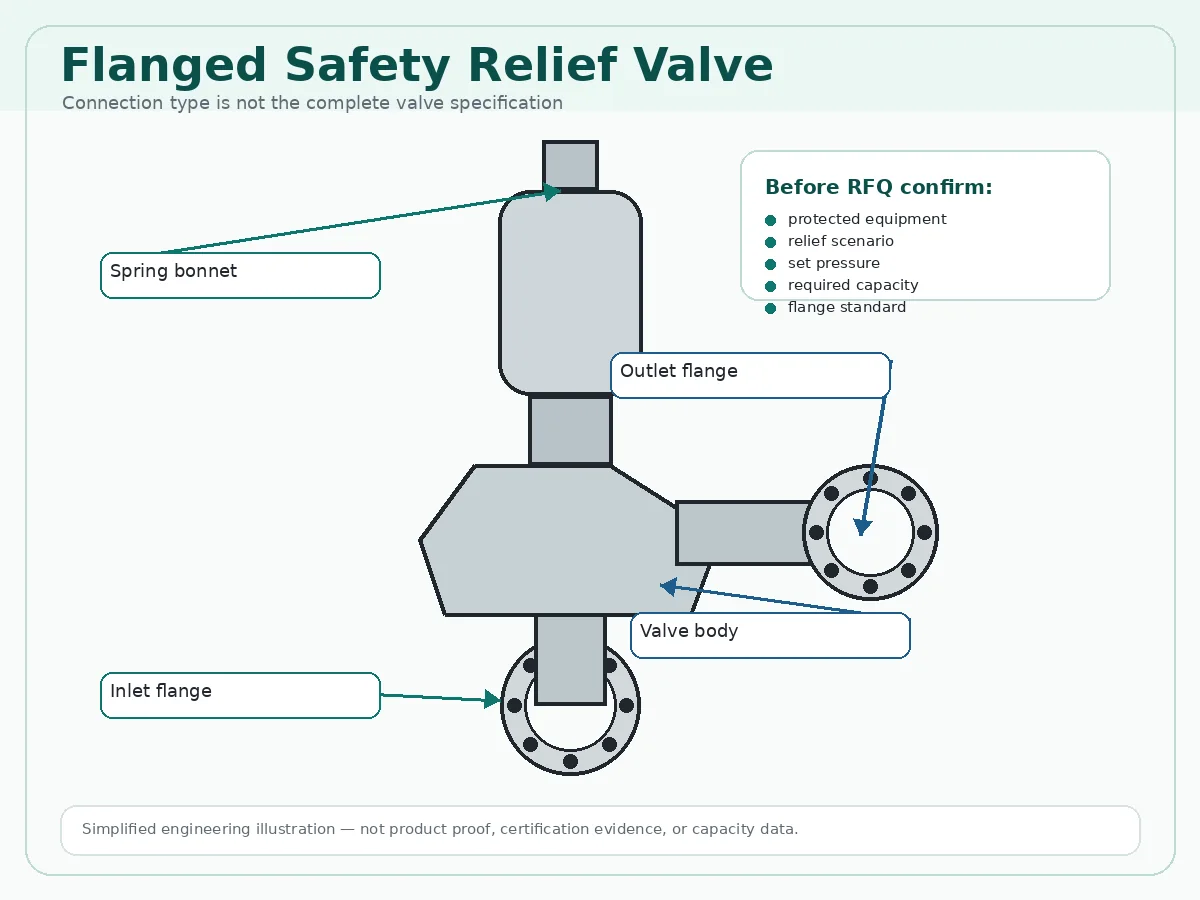
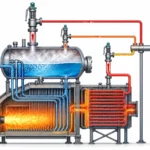
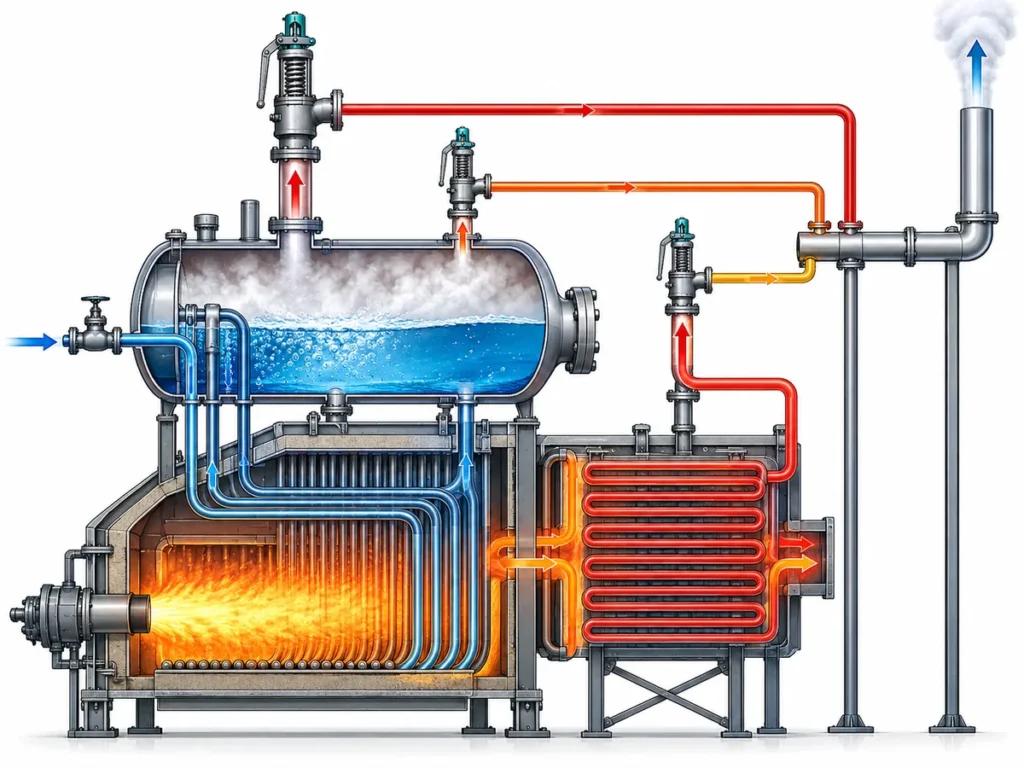
Simplified engineering illustration for article use only; it is not proof of product model, certification, material, set pressure or capacity.
Quick Answer: What Is a Flanged Safety Relief Valve?
A flanged safety relief valve is a 泄压阀 or safety relief valve with flanged inlet and/or outlet connections. It is commonly specified where the protected equipment, piping class, maintenance practice or project standard requires bolted flange connections instead of threaded, welded or other end connections.
From a pressure-protection perspective, “flanged” describes the connection interface only. It does not prove that the valve has the correct set pressure, required relieving capacity, material, seat design, spring, bellows arrangement, test scope or code documentation. For product-family review, see ZOBAI flanged safety valves.
The correct selection path is: define the protected equipment and relief scenario, confirm pressure and capacity data, verify flange standard/class/PN/facing, review back pressure and installation, then request manufacturer data and project documentation.
Key Selection Factors for a Flanged Safety Relief Valve
Selecting a flanged safety relief valve starts with the protected system, not the valve appearance. A buyer should first define what equipment is being protected and what overpressure scenario the valve must relieve. Only after the duty is clear should the connection, material and documentation be finalized.
On small screens, scroll tables horizontally to review all engineering fields.
| 选型因素 | 需确认事项 | 重要性 |
|---|---|---|
| 受保护设备 | Vessel, tank, compressor, skid, pipeline, heat exchanger or other protected system. | Defines the pressure boundary and selection basis. |
| 泄放工况 | Blocked outlet, fire case, thermal expansion, regulator failure, tube rupture or project-defined case. | Determines required relieving capacity and whether the case is gas, vapor, liquid or two-phase. |
| 介质及相态 | Steam, gas, vapor, liquid, two-phase, clean, dirty, corrosive, viscous or polymerizing service. | Affects sizing, materials, discharge, seat selection, testing and maintenance. |
| 压力数据 | Operating pressure, MAWP/design pressure, set pressure, overpressure/accumulation basis and blowdown if specified. | Prevents pressure-definition errors and poor operating margin. |
| 排量数据 | Required relieving capacity, fluid properties and selected/documented capacity basis. | Prevents selection by flange size alone. |
| Flange and piping data | Standard, class/PN, facing, inlet/outlet size, gasket surface, outlet route and support. | Prevents connection mismatch, discharge restriction and mechanical load problems. |
初步选型矩阵
The following matrix helps decide whether a flanged safety relief valve is a reasonable starting point for review. It does not approve the final valve; it only identifies which data should be checked before RFQ.
| 项目工况 | Flanged Valve Review | Need to Confirm Before RFQ |
|---|---|---|
| Project piping class requires flanges | Flanged connection is a likely requirement. | Flange standard, class/PN, facing, gasket, inlet/outlet size and pressure-temperature rating. |
| Large outlet piping or discharge header | Flanged outlet may be practical for pipe connection and maintenance. | Superimposed back pressure, built-up back pressure, pipe support and discharge route. |
| Replacement of an old flanged PSV/PRV | Existing flange data is useful but not sufficient. | Nameplate, old datasheet, required capacity, medium, material and current service conditions. |
| API 526 已规定 | 将 API 526 作为标准沟通语境使用。 | 泄放工况、孔径/排量基准、压力数据、背压、材质及文件范围。 |
| 剧烈振动、腐蚀或脏污工况 | 仍可能采用法兰连接,但必须仔细审查配置。 | 介质、相态、温度、内件、阀座、弹簧、波纹管、维护及检验要求。 |
选型边界: 法兰标准、压力等级或旧照片有助于识别连接方式,但最终选型取决于实际使用工况、主导泄放工况、制造商数据、适用标准版本、项目规范及当地法规要求。
法兰标准、压力等级、PN 及密封面
法兰安全泄放阀通常按法兰标准和压力等级进行选型。这可能包括 ASME、EN、DIN、JIS 或项目管道标准。买方不应假设所有法兰安全泄放阀均采用相同的尺寸或压力-温度基准。
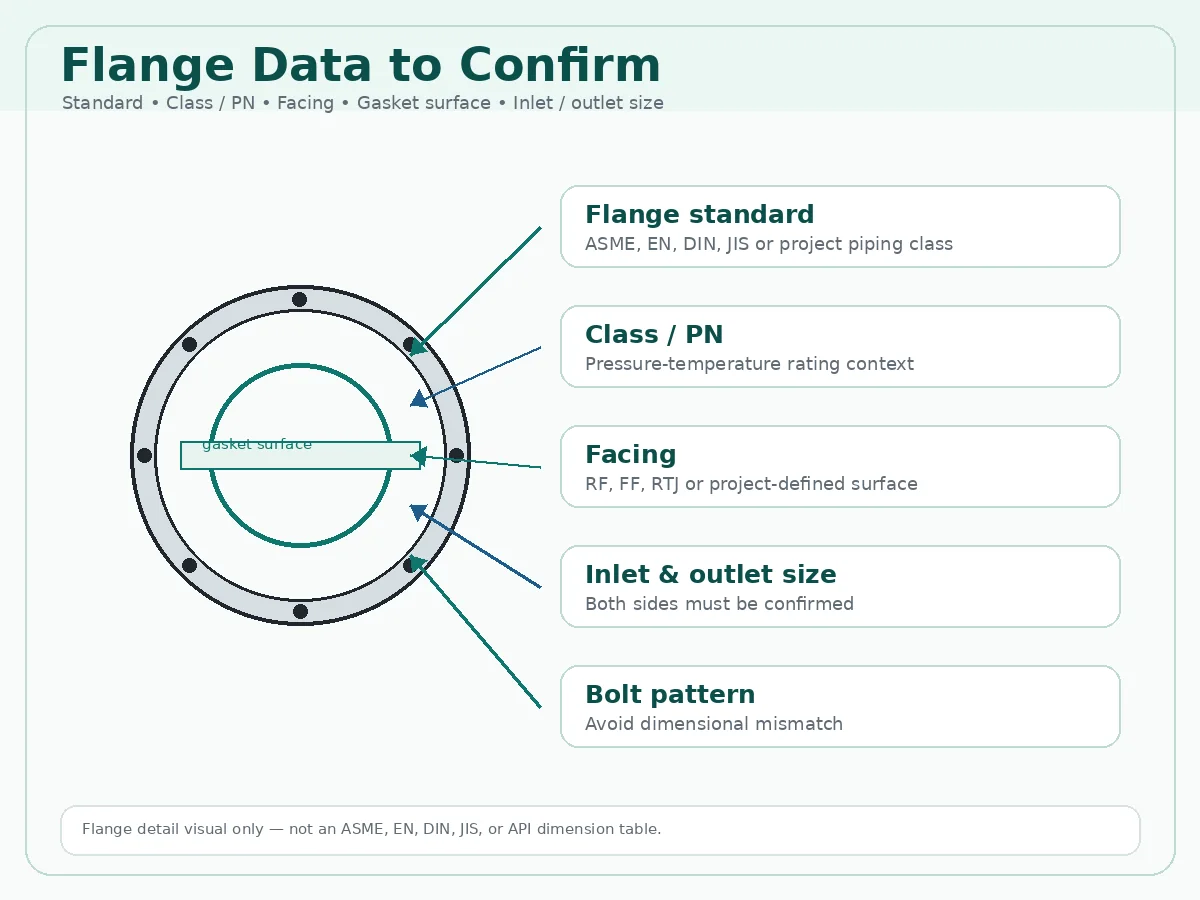
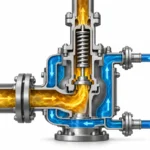
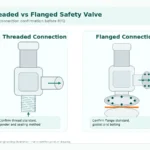
简化工程示意图;并非法兰尺寸表或官方标准图纸。
法兰标准规定了尺寸、密封面选项、螺栓孔布置及压力-温度额定值规则。压力等级或 PN 标识有助于描述特定标准及材料基准下的法兰压力额定值。有关详细法兰数据语境,请参阅 ZOBAI 指南 ASME B16.5 法兰尺寸.
法兰标准与压力等级
确认项目采用 ASME、EN、DIN、JIS 还是项目管道等级。Class 或 PN 压力等级必须结合标准、材料和温度条件进行解读。
密封面与垫片面
确认突面、平面、环连接面或项目特定密封面。密封面不匹配可能导致垫片泄漏、安装延误和返工。
| 法兰数据 | 需提供的信息 | 重要性 |
|---|---|---|
| 法兰标准 | ASME、EN、DIN、JIS 或项目标准。 | 防止尺寸不匹配。 |
| Class / PN | 压力等级或 PN 额定值。 | 支持压力-温度校核。 |
| 密封面 | RF、FF、RTJ 或项目规定的密封面。 | 防止垫片与密封形式不匹配。 |
| 进口和出口尺寸 | 阀门两端连接尺寸。 | 确认设备与排放管道接口。 |
| 垫片/螺栓要求 | 项目指定的垫片、螺栓或管道等级说明。 | 支持安装兼容性。 |
法兰等级不同于整定压力或排量
最常见的采购错误之一,是将法兰等级、整定压力和泄放能力混为一谈。这些是不同的工程概念。法兰压力等级或 PN 标识必须结合适用标准、材料和温度来解读。整定压力是阀门的压力设定值。所需泄放能力取决于起控制作用的泄放工况。
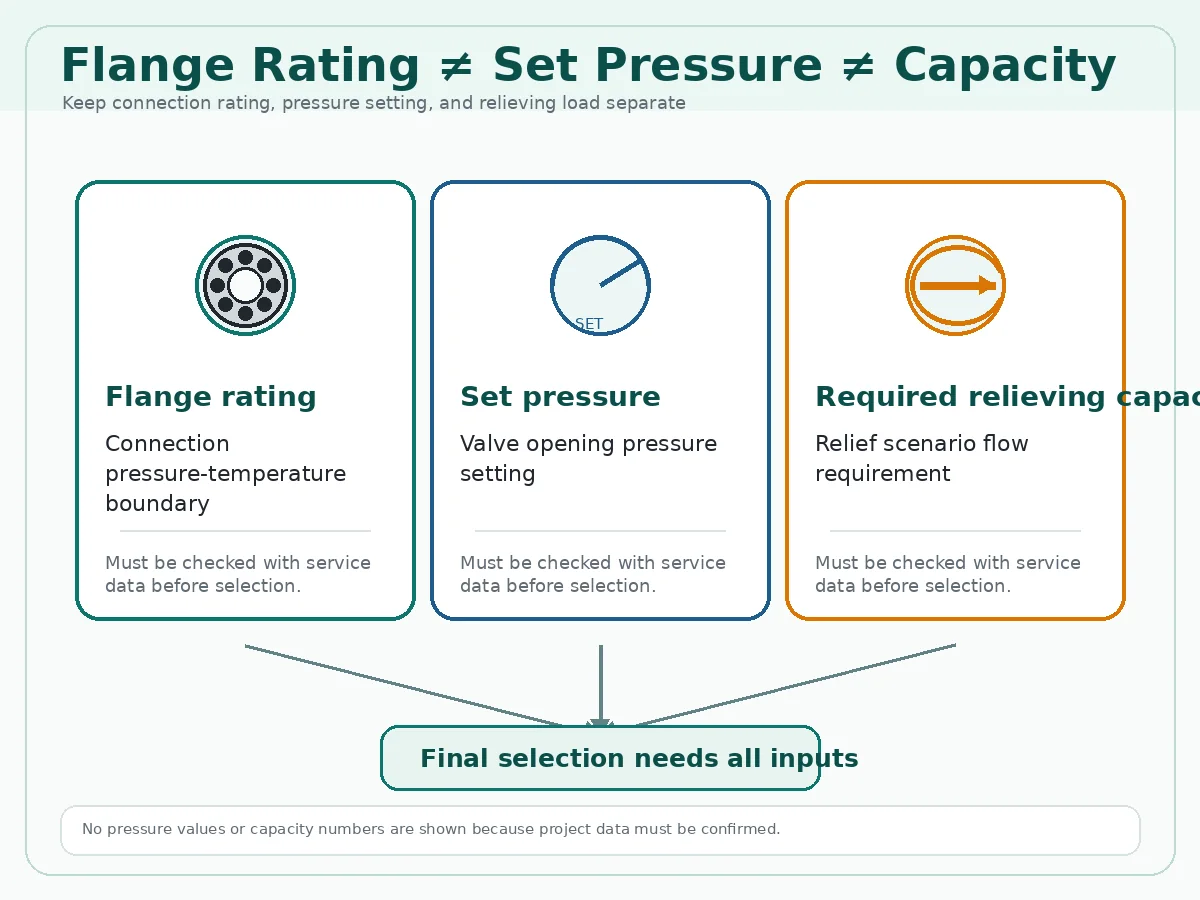
仅为便于询价沟通的简化工程对比,不能替代正式的泄放定径或压力-温度等级评审。
关于连接等级的背景,请查阅 压力-温度额定值. 关于排量的背景,请查阅 安全阀定径与认证排量 和 ZOBAI API 520 安全阀定径 指南。
| 术语 | 含义 | Selection Risk |
|---|---|---|
| 工作压力 | 使用期间的工作压力。 | Poor margin can cause simmer, leakage or unstable operation. |
| MAWP / 设计压力 | Protected system pressure basis. | May be confused with operating pressure, flange class or set pressure. |
| 整定压力 | Pressure at which the valve is adjusted to start opening under specified conditions. | May be mistaken as capacity. |
| 超压 / 压力积聚 | Pressure increase allowed during relief, based on the applicable code and scenario. | Changes sizing basis and relief pressure assumptions. |
| 所需泄放量 | Flow required for the governing relief scenario. | Cannot be proven by flange size alone. |
| Documented capacity basis | Capacity supported by manufacturer data and applicable requirements. | Must match actual medium, pressure, temperature and back pressure. |
Required Capacity vs Selected Valve
| 检查 | Required Side | Selected Valve Side | 切勿假设 |
|---|---|---|---|
| Flow duty | Required relieving rate from governing scenario. | Manufacturer-documented or certified capacity basis. | Do not infer flow from flange size. |
| 介质工况 | Medium, phase, molecular weight/density, viscosity and temperature as applicable. | Valve capacity basis for the same or appropriately converted service. | Do not use gas data for liquid or two-phase service without review. |
| 压力基准 | Relieving pressure based on set pressure and allowed overpressure/accumulation. | Valve data at the applicable pressure basis. | Do not use set pressure alone as the sizing basis. |
| 背压 | Superimposed and built-up values from the discharge system. | Valve configuration and capacity correction limits if applicable. | Do not assume a bellows solves every outlet condition. |
API 526 and Flanged Safety Relief Valve Selection
API 526 法兰安全阀 may be relevant when a project requires standardized flanged steel pressure relief valve dimensions and orifice designations. It can help align terminology, flange connections and standardized expectations in refinery and process-industry contexts.
However, API 526 should not be treated as the complete selection decision. A standard name does not determine the protected equipment, governing relief scenario, required relieving capacity, medium compatibility, back pressure, seat leakage expectation, material suitability or local regulatory approval.
| API 526 May Help With | API 526 Does Not Decide Alone |
|---|---|
| Standardized flanged steel PSV communication. | Relief scenario and required capacity. |
| Orifice designation and dimensional expectation context. | Medium, phase and material compatibility. |
| Project RFQ wording when API 526 is specified. | Back pressure, outlet piping and final configuration. |
| Connection and dimensional reference context. | Certification, inspection scope or jurisdictional approval for a specific valve. |
RFQ translation: If API 526 is required, send the project specification, required orifice designation if available, flange standard/class/facing, set pressure, required capacity, medium, relieving temperature, back pressure, materials, inspection scope and documents. Do not request only “API 526, Class 300.”
Back Pressure, Outlet Piping and Bellows Review
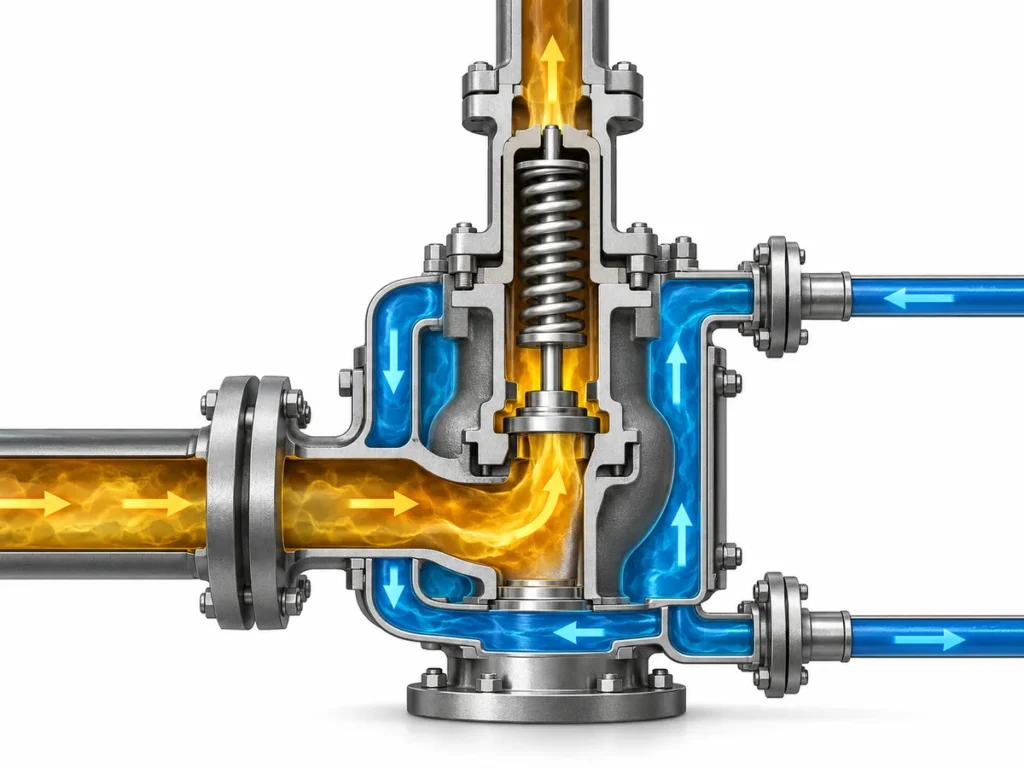
Flanged safety relief valves are often connected to larger outlet piping, discharge headers or closed discharge systems. This makes back pressure and outlet piping review important. Superimposed back pressure exists before the valve opens. Built-up back pressure is created in the outlet system during relieving flow.
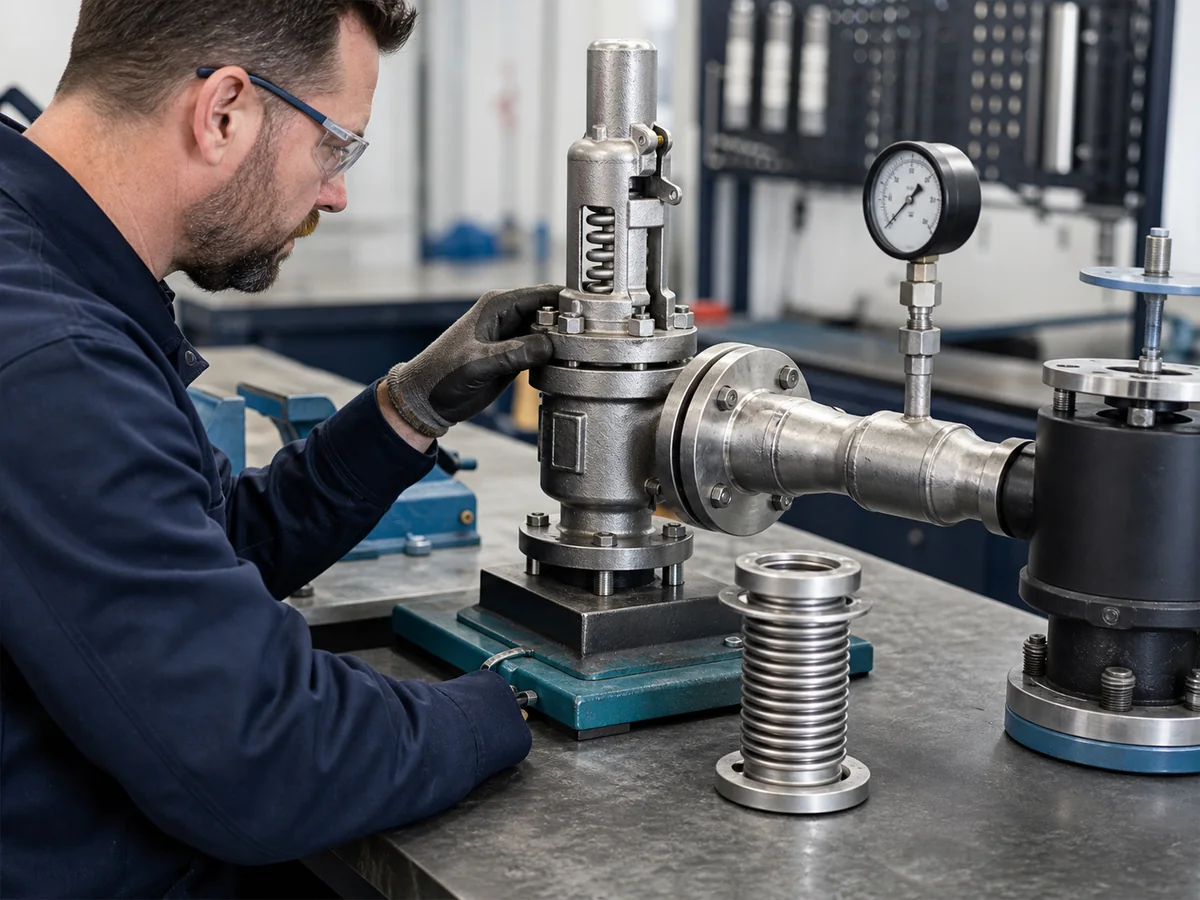
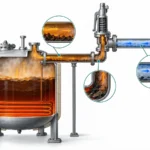
Simplified engineering illustration; it does not prescribe a final balanced or bellows design.
Back pressure cannot be solved by simply naming a valve type. A conventional, balanced bellows or pilot-operated design may each have its own limits and selection boundaries. For product-family context related to bellows configurations, review 波纹管平衡式安全阀. For deeper terminology, see 背压与波纹管. For piping and discharge considerations, review the 安全阀安装指南.
| Outlet Factor | 重要性 | 询价所需数据 |
|---|---|---|
| 叠加背压 | May affect opening behavior and pressure relationship. | Outlet pressure before relieving. |
| 积聚背压 | May affect capacity and stability. | Discharge piping and relieving flow condition. |
| Discharge header | May create variable outlet pressure. | Header pressure profile and connection point. |
| Outlet pipe load | May affect installation reliability. | Pipe support, weight and thermal movement. |
| Bellows review | May be needed for back-pressure effects. | Back-pressure values, medium, temperature and material. |
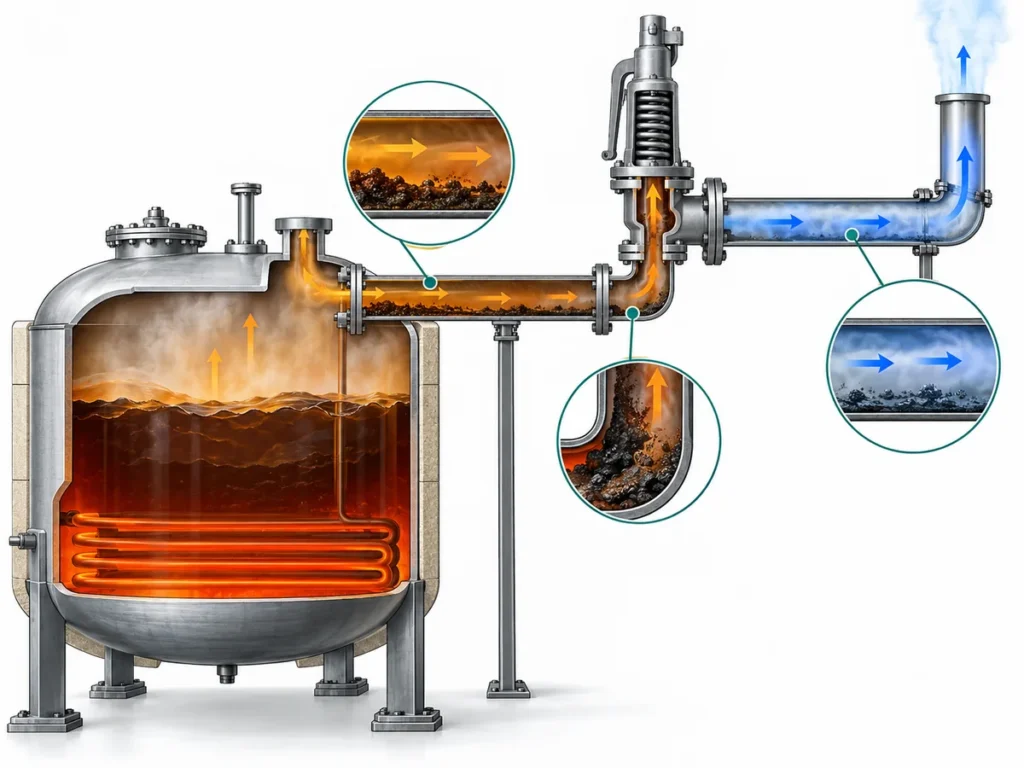
Inlet Loss and Outlet Load Checks
| 安装检查 | Potential Problem | 需要审查的事项 |
|---|---|---|
| 入口压力损失 | Excessive inlet loss can contribute to instability, chatter or capacity uncertainty. | Inlet pipe size, length, fittings, reducers and relation to the protected equipment nozzle. |
| Outlet restriction | Restriction may increase built-up back pressure. | Outlet pipe size, elbows, silencer, header connection and discharge route. |
| Mechanical pipe load | Heavy pipe load can stress the valve body and flanges. | Pipe supports, thermal movement, reaction forces and alignment. |
| Drainage and accumulation | Condensate or liquid accumulation can affect discharge safety. | Drain points, orientation, low points and environmental conditions. |
Material, Seat, Spring and Bellows Compatibility
A flanged safety relief valve is exposed to the process medium, temperature and pressure conditions. Material selection must consider more than body material alone. The medium may be steam, gas, vapor, liquid or two-phase flow. Dirty, corrosive, viscous, polymerizing or freezing service may require additional review.
介质及相态
Fluid phase can change sizing, leakage expectations, discharge behavior and maintenance requirements. The RFQ should state whether the service is gas, vapor, steam, liquid or two-phase.
Temperature and corrosion
Temperature and corrosion can affect body, trim, gasket, seat, spring and bellows selection. Material grade alone does not prove service suitability.
| 使用系数 | Possible Selection Effect | 需确认的数据 |
|---|---|---|
| Steam / high temperature | Seat, spring, gasket and bonnet arrangement may change. | 泄放温度与使用工况。. |
| 腐蚀性介质 | Body, trim, spring and bellows compatibility may be affected. | Medium composition, concentration and temperature. |
| 液体工况 | 定径方法和排放行为不同于气体/蒸气工况。 | Density, viscosity and relief scenario. |
| Dirty service | Seat damage or leakage risk may increase. | Fluid cleanliness and maintenance practice. |
| 背压 | Bellows or balanced configuration may be reviewed. | 叠加背压和积聚背压。 |
Seat, Spring, Bellows and Gasket Data
| Part / Feature | 重要性 | 询价输入信息 |
|---|---|---|
| 阀座型式 | Influences leakage expectation, temperature limit and maintenance. | Metal seat, soft seat or project-specified seat requirement. |
| Spring material | Exposed temperature and corrosion can affect spring behavior. | Service temperature, bonnet arrangement and material requirement. |
| 波纹管材质 | Bellows may contact process fluid or outlet conditions depending on design. | Medium, back pressure, corrosion risk and inspection practice. |
| 垫片和螺栓连接件 | Affects flange sealing and project piping-class compliance. | Facing, gasket type, bolt material and any project piping standard. |
| Trim material | Affects corrosion resistance, erosion resistance and seat durability. | Medium composition, pressure, temperature and cleanliness. |
Installation Do / Do-Not Checks
Installation does not replace selection, but poor installation can make a correctly selected valve perform poorly. Flanged safety relief valve RFQs should consider inlet path, outlet routing, supports, reaction load, drainage and maintenance access.
应做
- Confirm inlet and outlet flange standard, class/PN, facing and gasket surface.
- 保持入口流路短而洁净,并符合项目入口压力损失依据。
- Support outlet piping independently so the valve is not carrying heavy pipe load.
- Confirm safe discharge direction, drainage and access for maintenance.
- Preserve datasheets, nameplate data, test records and material documents for future replacement.
不应做
- Do not force a flange facing or class mismatch into service.
- Do not reduce the inlet or add unnecessary fittings without engineering review.
- Do not hang heavy outlet piping directly from the valve body.
- Do not assume a closed discharge header is acceptable without back-pressure data.
- Do not replace a valve by flange size and set pressure alone.
Testing and Documentation Matrix
Document scope should be confirmed before quotation. A document name by itself does not prove suitability unless it matches the selected valve, project specification, applicable standard and actual service conditions. For seat-leakage terminology, review ZOBAI’s API 527 阀座密封性试验 指南。
| 文件/核查项目 | 其支持内容 | 单独无法证明的内容 |
|---|---|---|
| 数据表 | Model, connection, material, set pressure, service and selected configuration. | 不能替代泄压计算或项目审批。 |
| 铭牌 | Valve identification and key pressure/device information. | Does not prove interchangeability if duty has changed. |
| 整定压力试验 | 规定试验条件下的开启压力。 | 不能证明所需泄放能力。 |
| 密封性试验 | Leakage performance under a defined test method and acceptance basis. | Does not prove flange gasket sealing or service compatibility. |
| 材质记录 | Traceability for specified pressure-boundary or wetted parts. | Does not prove corrosion suitability without medium data. |
| 排量基准 | Selected valve can pass the required relieving load under defined conditions. | Must be checked against the actual relief scenario and back pressure. |
| Inspection release / project documents | Supports project handover and quality control. | Does not replace local regulatory or authority approval if required. |
Flanged Safety Relief Valve vs Threaded Safety Relief Valve
A flanged safety relief valve and a threaded safety relief valve may perform the same pressure protection function, but the connection interface, piping practice, maintenance method and project documentation can differ. A flanged valve uses bolted flange connections. A threaded valve uses screwed connections.
| Selection Point | 法兰式安全泄放阀 | Threaded Safety Relief Valve |
|---|---|---|
| Connection method | 螺栓连接的法兰。 | Screwed thread connection. |
| Typical review context | Project piping class, larger piping or easier removal. | Compact equipment or smaller threaded ports. |
| Common replacement risk | Same flange size may not mean same capacity or same duty. | Thread type, pitch, taper and sealing method may differ. |
| 文档 | Often linked to flange standard, class/PN and project piping specification. | Often linked to thread type, size, gender and sealing method. |
Neither connection type is automatically better. The correct connection depends on service conditions, capacity, piping, maintenance, project specification and manufacturer data.
Replacement Checks for Existing Flanged Safety Relief Valves
Replacement inquiries are common, but like-for-like replacement can be unsafe if based only on flange size or an old photo. A same-size replacement may physically fit the piping but still be wrong for set pressure, required capacity, material, seat design, spring range, bellows arrangement or documentation scope.
| Replacement Evidence | Why It Helps | 单独无法证明的内容 |
|---|---|---|
| Full valve photo | Identifies general configuration. | Does not prove capacity. |
| Nameplate photo | Shows key identification data. | May be incomplete or outdated. |
| Old datasheet | Helps compare original selection. | Must be checked against current service. |
| Inlet/outlet flange photos | Helps confirm connection details. | Does not prove valve duty. |
| Installation photos | Shows piping and discharge context. | Does not replace engineering review. |
更换核实流程
Collect evidence
Photo, nameplate, datasheet, flange details, installation photo and maintenance notes.
确认使用任务
Protected equipment, relief scenario, medium, phase, pressure and required capacity.
Check connection
Flange standard, class/PN, facing, gasket, inlet/outlet size and piping class.
Review documents
Manufacturer data, tests, material records, capacity basis and project requirements.
综合工程场景培训
The following examples are composite engineering scenarios for training. They do not describe real customers, real projects, certified capacity tests, accident records, delivery records or guaranteed ZOBAI model capabilities.
Same flange, different capacity
A buyer requests a replacement valve with the same inlet and outlet flange sizes as the old valve. ZOBAI would still need set pressure, required capacity, medium, relieving temperature, back pressure and material requirements before confirming suitability.
API 526 specified, service data missing
An EPC buyer asks for an API 526 flanged valve, but the RFQ omits the relief scenario and required capacity. The standard reference helps communication, but it does not complete the selection.
Outlet header creates back pressure
A valve will discharge into a common header. Inlet flange and set pressure are known, but outlet pressure varies. Back pressure, discharge piping and possible balanced/bellows review must be considered.
RFQ Checklist for Flanged Safety Relief Valves
A complete RFQ should include both service data and flange data. Sending only “flanged safety relief valve, Class 300, 2 inch” is not enough.
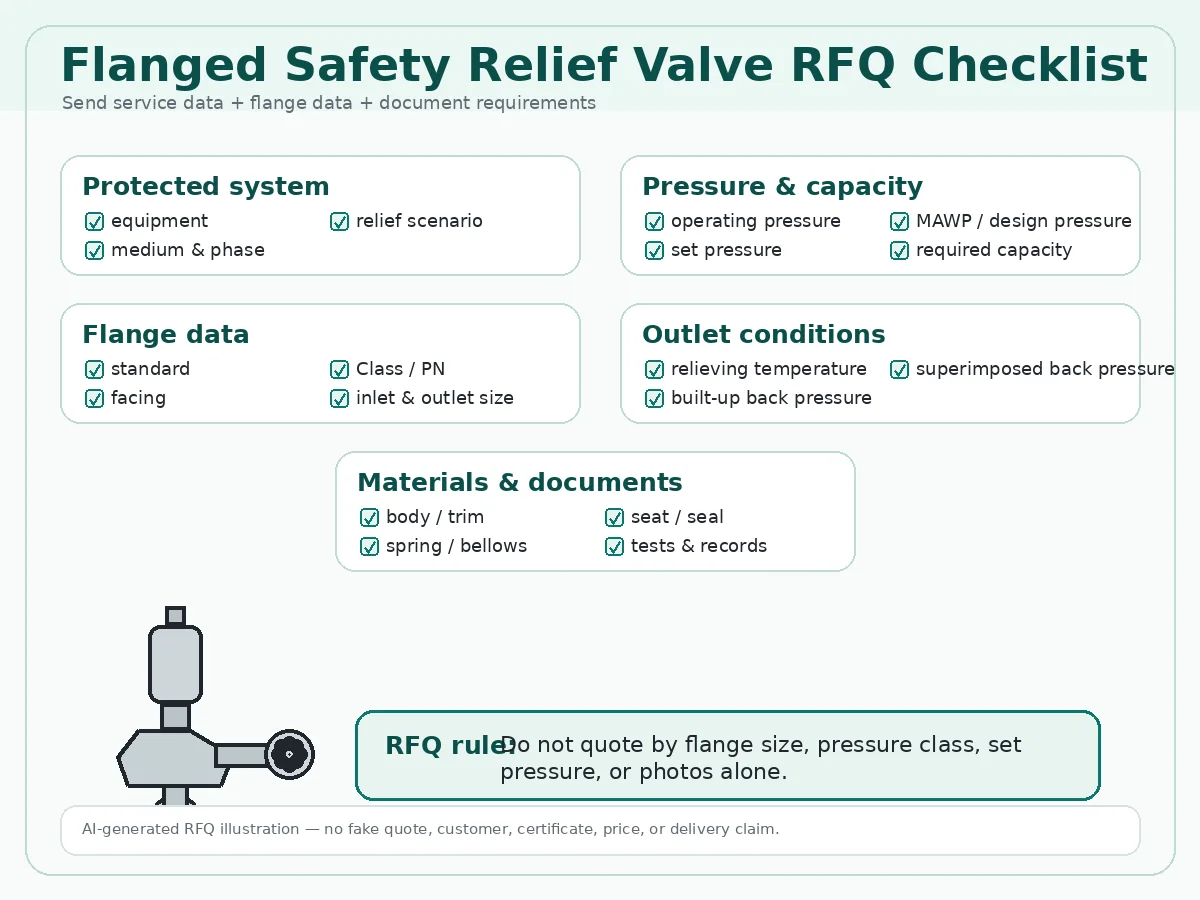
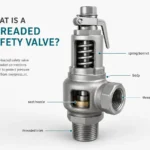
Simplified engineering RFQ illustration; a quotation or replacement review should not be based only on flange size, pressure class, set pressure or photos.
New project RFQ
- 被保护设备及主导泄放工况
- 介质及相态
- 工作压力、MAWP/设计压力及整定压力
- Allowed overpressure/accumulation basis if specified
- 所需泄放量及依据
- 泄放温度与背压
- Inlet/outlet flange standard, class or PN and facing
- Body, trim, seat, spring and bellows requirements
- Applicable standards and required documents
Replacement RFQ
- Existing valve photos
- Nameplate photo
- Old datasheet if available
- Inlet and outlet flange photos
- Installation and discharge piping photos
- Reason for replacement
- Observed leakage, instability or maintenance issues
- Current operating data and document requirements
Common Mistakes When Selecting Flanged Safety Relief Valves
| 常见误区 | 为何有风险 | 正确的核查方法 |
|---|---|---|
| Selecting by flange size only | Same flange size may not mean same orifice or capacity. | Confirm capacity and valve datasheet. |
| Selecting by flange class only | Class does not prove set pressure or capacity. | Confirm pressure-temperature rating and valve duty. |
| Ignoring flange facing | May cause gasket or sealing mismatch. | Confirm RF, FF, RTJ or project facing. |
| 忽视背压 | May affect stability and capacity. | Confirm outlet pressure and discharge piping. |
| Copying old valve photo | Old valve may be incorrect, damaged or incomplete. | Confirm service data and documentation. |
| Assuming standard name completes selection | Standard reference does not define full duty. | Confirm project specification and manufacturer data. |
Troubleshooting Symptoms That Affect Selection Review
If the existing flanged safety relief valve leaks, chatters, opens too often or shows installation damage, the replacement RFQ should include symptoms and service history. Troubleshooting does not replace formal inspection, but it helps identify missing selection inputs.
| 故障现象 | Possible Selection / Installation Cause | What to Check Before Replacement |
|---|---|---|
| 阀座泄漏 | Seat damage, contamination, operating pressure too close to set pressure or incorrect seat material. | Operating margin, medium cleanliness, seat type, test record and service history. |
| Chatter or instability | Inlet loss, oversized valve, excessive back pressure or poor discharge piping. | Required capacity, inlet piping, outlet piping, back pressure and valve configuration. |
| Flange joint leakage | Facing mismatch, gasket issue, bolt-up issue or pipe misalignment. | Flange standard, class/PN, facing, gasket, bolting and pipe support. |
| 频繁开启 | Operating pressure too close to set pressure or process upset not addressed. | Operating pressure, set pressure, MAWP/design pressure and process control condition. |
| 出口振动 | Unsupported outlet piping, reaction force, header interaction or thermal movement. | Discharge route, pipe supports, back pressure and installation layout. |
技术参考资料
The following references support the standards, sizing and testing context used in this guide. They are provided for engineering background and RFQ communication only. They do not prove that any specific ZOBAI flanged safety relief valve model is certified, approved or suitable for a specific project.
- API STD 526: Flanged Steel Pressure-relief Valves — supports API 526 reference context when a project specification requires it.
- ASME B16.5: Pipe Flanges and Flanged Fittings — supports flange pressure-temperature rating, material, dimension, marking and testing context.
- API 520 Part I: Sizing, Selection, and Installation of Pressure-Relieving Devices — supports sizing and selection context for pressure-relieving devices.
- ASME PTC 25: Pressure Relief Devices — supports pressure relief device performance, flow capacity testing and bench/in-service testing context.
- API Standard 527: Seat Tightness of Pressure Relief Valves — supports seat tightness terminology for metal- and soft-seated pressure relief valves.
Need Help Reviewing a Flanged Safety Relief Valve Inquiry?
Send ZOBAI your service conditions, flange data and document requirements. A useful RFQ should include protected equipment, relief scenario, medium and phase, operating pressure, MAWP or design pressure, set pressure, required relieving capacity, relieving temperature, back pressure, inlet and outlet flange standard, class or PN, facing, materials and required documents.
FAQ About Flanged Safety Relief Valve Selection
什么是法兰式安全泄放阀?
法兰式安全泄放阀是一种带有法兰进口和/或出口连接的压力泄放装置。法兰连接支持通过螺栓安装到管道或设备上,但阀门仍须根据工况条件、压力、排量、背压、材质及文件资料进行选型。
法兰安全泄放阀与法兰安全阀是相同的吗?
这些术语在买方沟通中可能有所重叠。确切术语取决于工况、规范背景及项目语言。询价时,更重要的是确认受保护设备、泄放工况、整定压力、所需泄放量、介质、背压及法兰细节。
法兰尺寸是否决定泄放能力?
不。法兰尺寸不决定泄放能力。泄放能力取决于泄放工况、流体特性、泄放压力、泄放温度、背压以及所选阀门的排量基准。
法兰等级 Class 150、300 或 600 是否决定整定压力?
不,法兰压力等级与法兰在特定标准及材料基准下的压力-温度额定值相关。整定压力是阀门的压力设定值。两者必须分别进行核查。
询价前需要提供哪些法兰数据?
请提供法兰标准、压力等级或PN、密封面形式、进口尺寸、出口尺寸,如有要求请注明垫片或螺栓要求,以及任何项目管道等级要求。
API 526 何时适用?
当项目要求采用标准化的法兰连接钢制泄压阀及相关尺寸或流道面积要求时,API 526 可能适用。它不能替代工况数据、排量校核、背压校核或项目审批。
我可以用相同法兰尺寸的法兰安全泄放阀替换吗?
编号相同并不代表整定压力、排量、孔径、材质、阀座、弹簧、波纹管、试验记录或适用性相同。更换时应依据原数据表、铭牌及当前工况数据。
何时需要评估背压或波纹管?
当安全阀排放至管道、集管、封闭系统或任何可能在出口侧产生压力的出口工况时,应校核背压。可考虑采用波纹管或平衡式结构,但最终适用性取决于工况数据和制造商限值。
应索取哪些文件?
常见文件可能包括数据表、铭牌信息、整定压力试验、密封性试验、材质记录、检验放行及排量依据。具体文件范围取决于项目规范及适用要求。
Author and Technical Review Note
This article is prepared for procurement buyers, replacement users, distributors and project engineers who need to specify or compare flanged safety relief valves before quotation. It is not a substitute for formal relief sizing, selected manufacturer capacity data, applicable code review, project specification approval or qualified engineering judgment.
Reviewed topics include flange standard, class or PN, facing, pressure-temperature rating, set pressure, MAWP/design pressure, overpressure/accumulation, required relieving capacity, documented capacity basis, inlet pressure loss, back pressure, materials, seat leakage, replacement evidence, troubleshooting symptoms and RFQ data.
标准与工程限制说明
Standards such as API, ASME, ISO, EN, DIN or JIS may be relevant to flanged safety relief valve selection, but a standard name alone does not complete the valve specification. This article explains standards from an RFQ and engineering communication perspective only. It does not reproduce protected standard text, and it does not imply that every ZOBAI valve automatically meets every standard, certification or jurisdictional requirement.
Final selection depends on actual service conditions, governing relief scenario, manufacturer data, applicable standard version, project specification and local regulatory requirements.