获取安全阀报价

请提供您的介质、整定压力、温度、口径、标准或数据表,我们的团队将审核您的需求并回复相应的后续步骤。.

LNG and LPG Safety Valves for Cryogenic, Storage and Pressure Relief Systems

LNG & LPG Pressure Relief

LNG and LPG Safety Valves for Cryogenic, Storage and Vaporization Systems

LNG and LPG safety valves protect cryogenic transfer lines, storage vessels, vaporizers, loading skids, pressure build-up systems, transfer pumps, vapor return lines, compressor packages and blocked-in liquid sections from overpressure. LNG service is dominated by cryogenic temperature, boil-off gas and trapped liquid expansion, while LPG service is dominated by vapor pressure, fire exposure, saturated liquid-vapor behavior and safe discharge routing.

核心设备 Cryogenic lines, storage vessels, vaporizers, pumps and loading skids
关键泄放工况 Thermal expansion, boil-off gas, fire exposure and blocked outlet
Service Risks Cryogenic embrittlement, vapor generation, LPG fire case and vent safety
询价单输出 Datasheet, medium, set pressure, capacity basis and test documents
Industry Applications

Where Safety Valves Are Used in LNG and LPG Systems

LNG and LPG applications are both hydrocarbon pressure relief services, but they should not be specified as the same valve duty. LNG is a cryogenic liquid service near -162°C, while LPG usually involves propane, butane or mixed LPG stored under pressure as a saturated liquid-vapor system.

LNG Storage and BOG Systems

Used on LNG storage-related packages, boil-off gas lines, pressure build-up systems, vapor handling skids and gas send-out lines. Key checks include low-temperature material, vapor generation, blocked outlet and safe venting.

LNG Transfer Lines

Used on liquid transfer lines, loading arms, unloading lines, cold boxes and blocked-in cryogenic sections. Thermal expansion of trapped liquid is often the most important relief case.

LNG Vaporizers

Used on ambient vaporizers, water bath vaporizers, steam-heated vaporizers and send-out skids. Relief review should consider heat input, outlet blockage, downstream regulator failure and vapor generation.

LPG Bullets and Spheres

Used on propane, butane and LPG mixture storage vessels. Fire exposure, vapor pressure, filling condition, liquid expansion and safe discharge direction are central to selection.

LPG Loading and Unloading Skids

Used on truck loading skids, railcar loading, transfer pumps, vapor return lines and metering skids. Relief cases include pump deadhead, thermal expansion, blocked outlet and hose isolation.

LPG Vaporizers and Fuel Gas Systems

Used on LPG vaporizers, pressure reduction stations, fuel gas supply skids and burner trains. The valve must be matched to vaporizer capacity, regulator failure and downstream pressure limits.

泄放工况分析

LNG and LPG PSV Selection Starts With the Overpressure Cause

A safety valve for LNG or LPG should be selected only after the credible overpressure scenario is defined. Cryogenic liquid expansion, vapor generation, fire exposure and blocked outlet can create very different required relieving capacities.

01

Trapped Cryogenic Liquid Expansion

LNG trapped between closed valves can warm up and expand. Even a short blocked-in liquid section can produce a severe pressure rise. Thermal relief valves should be installed where cryogenic liquid can be isolated.

02

Boil-Off Gas and Heat Leak

LNG storage and transfer systems always receive heat from the environment. Boil-off gas generation can increase pressure when vapor handling, venting or send-out systems are restricted.

03

Vaporizer Outlet Blockage

LNG or LPG vaporizers can continue generating vapor when downstream flow is restricted. Relief review should include vaporizer duty, heat input, outlet pressure limit and downstream regulator arrangement.

04

LPG Fire Exposure

LPG vessels contain saturated liquid-vapor hydrocarbon. External fire exposure can rapidly increase vapor generation and vessel pressure. Fire-case relief capacity and discharge direction must be reviewed together.

05

Pump Deadhead or Blocked Outlet

LPG transfer pumps, LNG send-out pumps and loading skids can overpressure lines if downstream valves are closed. Pump curve, maximum discharge pressure and protected line rating should be checked.

06

Regulator Failure or Pressure Reduction Upset

LPG vaporizers, fuel gas skids and LNG send-out systems often include regulators. Regulator failure can expose downstream piping or users to higher pressure than intended.

应用案例数据

LNG and LPG Safety Valve Application Cases with Typical RFQ Data

These cases show how LNG and LPG safety valve requirements are commonly described before model selection. Final sizing must be confirmed by project datasheet, applicable code, verified relief calculation and site safety review.

Case 1: LNG Transfer Line Thermal Relief Valve

Cryogenic Thermal Relief
受保护设备: Blocked-in LNG transfer line
介质: Liquefied natural gas
Service temperature: Approx. -162°C / -260°F
泄放原因: Trapped liquid expansion
整定压力: Below protected line design limit
排放: Safe vent, return or recovery system
Material focus: Low-temperature toughness
关键审查: Cryogenic material, outlet icing, discharge routing and seat tightness

LNG thermal relief valves are often compact, but the service is severe. The valve must remain suitable at cryogenic temperature and should discharge to a safe location where cold vapor, frost or flammable gas accumulation will not create secondary risk.

Case 2: LNG Vaporizer Outlet Safety Valve

Vaporizer Protection
受保护设备: LNG vaporizer outlet line
介质: Natural gas after vaporization
正常工作压力: 8–20 barg typical project range
整定压力: Project downstream design value
泄放温度: Cold gas to ambient, depending on vaporizer
泄放原因: Outlet blockage or regulator failure
排放: Safe vent or flare system
关键审查: Vaporizer duty, gas capacity, low-temperature transition and vent location

Vaporizer outlet valves should be selected from vaporizer maximum gas generation and downstream pressure boundary. The valve may see cold gas during startup or upset, so temperature range and material suitability should be confirmed.

Case 3: LNG Boil-Off Gas Line PSV

BOG Pressure Control
受保护设备: BOG header or compressor suction drum
介质: Methane-rich boil-off gas
正常工作压力: Low-pressure terminal or package value
整定压力: Equipment design pressure basis
泄放原因: Compressor trip or blocked BOG outlet
泄放温度: Cold vapor, site-specific
排放: Flare, vent or recovery system
关键审查: Low-temperature gas, capacity, back pressure and safe flammable discharge

BOG relief should not be treated as ordinary natural gas service without checking temperature, operating pressure and discharge system. Back pressure and vent routing are critical when the valve discharges into a flare or recovery system.

Case 4: LPG Storage Bullet Fire Case PSV

Fire Exposure
受保护设备: LPG bullet or storage vessel
介质: Propane / butane mixture
Normal condition: Saturated liquid-vapor service
整定压力: Vessel datasheet value
泄放原因: External fire exposure
所需数据: Wetted surface and fluid composition
排放: Elevated safe discharge or flare system
关键审查: Fire-case capacity, vapor pressure, reaction force and discharge direction

LPG storage relief is usually governed by fire exposure or vapor pressure rise. The RFQ should include storage condition, composition, set pressure, required capacity basis, discharge direction and documentation requirements.

Case 5: LPG Transfer Pump Discharge Relief

泵憋压
受保护设备: LPG transfer pump discharge line
介质: Propane, butane or mixed LPG
正常工作压力: Pump and storage condition dependent
整定压力: Below protected line design limit
泄放原因: Deadhead, blocked outlet or closed valve
泄放温度: Ambient saturated liquid service
排放: Return to tank, suction or safe collection point
关键审查: Pump curve, liquid relief, outlet routing and flashing risk

LPG transfer relief should avoid discharging flammable liquid or vapor to an unsafe area. Return routing, flashing behavior and pump deadhead pressure must be reviewed before selecting the valve.

Case 6: LPG Vaporizer Outlet Safety Valve

Fuel Gas Supply
受保护设备: LPG vaporizer outlet and fuel gas skid
介质: LPG vapor / propane vapor
正常工作压力: Downstream fuel gas system value
整定压力: Downstream protected equipment limit
泄放原因: Regulator failure or outlet blockage
泄放温度: Vaporizer outlet temperature
排放: Safe outdoor vent or flare
关键审查: Vaporizer capacity, regulator failure, gas capacity and safe venting

LPG vaporizer outlet PSVs should be based on maximum vaporizer capacity and downstream pressure limits. The valve should protect low-pressure users from regulator failure and blocked outlet cases.

Service Data Matrix

LNG and LPG Safety Valve Data Matrix

Service Typical Medium Temperature / Phase Concern Common Relief Cause Required Engineering Check Risk if Missed
LNG transfer line Liquefied natural gas Approx. -162°C / -260°F cryogenic liquid Trapped liquid thermal expansion Low-temperature material, seat behavior, discharge route and outlet icing Line rupture, embrittlement or unsafe cold vapor release
LNG vaporizer LNG and natural gas vapor Cryogenic liquid to gas transition Outlet blockage, regulator failure, excessive heat input Vaporizer capacity, temperature range, downstream pressure limit Undersized gas relief or wrong low-temperature material
BOG system Methane-rich boil-off gas Cold flammable vapor Compressor trip, blocked outlet, heat leak Gas capacity, low-temperature rating, back pressure and vent safety Pressure rise, flammable gas accumulation or unstable relief
LPG storage Propane, butane, LPG mixture Saturated liquid-vapor hydrocarbon Fire exposure, heat input, overfilling Fire-case capacity, vapor pressure, discharge direction and certification documents Undersized fire-case relief or unsafe flammable discharge
LPG transfer Liquid LPG Pressurized liquid with flashing potential Pump deadhead, blocked outlet, trapped liquid expansion Pump curve, set pressure, return routing and flashing behavior Line overpressure or uncontrolled flammable release
LPG vaporizer LPG vapor / propane vapor Liquid-to-vapor supply system Regulator failure, outlet blockage, excess vapor generation Vaporizer capacity, downstream pressure boundary and safe venting Downstream equipment overpressure or burner train risk
Selection Framework

How to Specify LNG and LPG Safety Valves Correctly

1. Identify LNG or LPG service clearly

State whether the valve is for LNG, BOG, natural gas vapor, propane, butane or LPG mixture. LNG requires cryogenic material review; LPG requires vapor pressure, fire case and saturated liquid-vapor behavior review.

2. Confirm fluid phase at relieving condition

The valve may relieve cryogenic liquid, cold gas, LPG liquid, LPG vapor, flashing liquid or two-phase flow. Phase condition affects sizing, discharge reaction, material and outlet arrangement.

3. Define the protected equipment

Confirm whether the valve protects a storage vessel, transfer line, vaporizer, pump discharge, loading skid, BOG header, fuel gas skid or blocked-in liquid section. Equipment design pressure defines the set pressure boundary.

4. Define the governing relief scenario

LNG relief may be governed by trapped liquid expansion, heat leak or BOG system upset. LPG relief may be governed by fire exposure, pump deadhead, overfilling, regulator failure or blocked outlet.

5. Review discharge destination

LNG and LPG relief streams are flammable. Discharge should be routed to a safe vent, flare, recovery line or return system based on site design. Vent location, cold vapor dispersion, fire exposure and operator safety must be checked.

6. Confirm testing and documents

LNG and LPG projects commonly require datasheets, set pressure calibration, pressure test records, seat tightness test, material certificates, low-temperature material confirmation, nameplate marking and inspection documents.

Installation & Discharge

LNG and LPG Safety Valves Must Be Reviewed With Venting, Return and Flare Systems

Why the discharge route is part of valve selection

LNG and LPG relief streams are flammable and can form hazardous vapor clouds if released improperly. LNG relief can also create extremely cold vapor, frost and low-temperature exposure. LPG relief may flash from liquid to vapor and create high discharge reaction force, noise and fire risk.

Safety valve selection should include inlet pressure loss, outlet back pressure, vent height, outlet direction, drainage, cold exposure, flame-safe location, pipe support and maintenance access. For flare or closed systems, the back pressure must be reviewed before valve configuration is finalized.

Cryogenic Venting Flammable Vapor LPG Fire Case BOG Relief Back Pressure 热泄放

Field installation checks

  • Install thermal relief where LNG or LPG liquid can be blocked in.
  • Confirm low-temperature material for LNG-contacted pressure parts.
  • Route LNG and LPG discharge to a safe vent, flare, return or recovery system.
  • Check outlet back pressure when connected to flare or closed discharge headers.
  • Avoid cold vapor discharge toward personnel, instruments or brittle materials.
  • Support outlet piping without loading the valve body.
  • Provide access for inspection, recalibration and safe valve replacement.
Standards & Documentation

Standards and Documents to Confirm Before Ordering

Common standard references

LNG and LPG pressure relief specifications may reference API, ASME, ISO, EN, GB, NFPA or owner standards depending on the facility type, country, pressure equipment, storage arrangement and inspection requirement. The applicable standard should be confirmed before quotation.

  • API 520 for pressure-relieving device sizing and selection reference where required by the project.
  • API 521 for pressure-relieving and depressuring system review in LNG and hydrocarbon facilities.
  • API 526 when flanged steel pressure relief valve dimensions and ratings are specified.
  • API 527 when seat tightness testing is required.
  • ASME BPVC and safety valve standards or local pressure vessel requirements for storage vessels and pressure equipment.
  • ISO 4126 safety valve standard references when project specifications require excessive pressure protection safety valve standards.
  • Owner specifications for cryogenic material, LPG storage, fire-case relief and inspection documents.

Typical document package

Documentation should be agreed before manufacturing, especially for LNG cryogenic service, LPG storage, vaporizers, loading skids, tank protection and flare-connected applications.

  • Technical datasheet with model, size, orifice, set pressure and connection.
  • Sizing calculation or certified relieving capacity confirmation.
  • Set pressure calibration record.
  • Pressure test report and seat tightness test report when required.
  • Material certificate for pressure-retaining parts and trim when specified.
  • Low-temperature material confirmation for LNG service when required.
  • General arrangement drawing, dimension, weight and discharge orientation.
  • Nameplate, tag number and project marking confirmation.
询价清单

LNG and LPG Safety Valve RFQ Data Checklist

Required Data Why It Matters Example Input
Service type Separates cryogenic LNG duty from saturated LPG duty. LNG, BOG, natural gas vapor, propane, butane, mixed LPG
Fluid phase Affects sizing, materials and discharge behavior. Cryogenic liquid, cold gas, LPG liquid, LPG vapor, flashing liquid
受保护设备 Defines pressure boundary and overpressure source. Storage vessel, transfer line, vaporizer, pump discharge, loading skid
泄放工况 Determines required relieving capacity. Thermal expansion, fire case, blocked outlet, vaporizer outlet blockage
Set pressure Defines valve opening pressure. Project datasheet value, vessel MAWP-based value, line protection value
Operating pressure Confirms operating margin and leakage risk. Normal and maximum operating pressure
Required relieving capacity Confirms whether the selected valve can protect the system. kg/h, Nm³/h, SCFM, t/h, GPM, L/min
Relieving temperature Affects material, seals and pressure rating. -162°C LNG, cold gas, ambient LPG, elevated vaporizer outlet
背压 Influences valve capacity and stability. Atmospheric vent, flare header, recovery system, return line
Material requirement Prevents embrittlement, leakage and compatibility failure. Low-temperature stainless steel, carbon steel, stainless steel, special trim
Connection and rating Ensures mechanical compatibility with piping and equipment. RF flange, RTJ flange, NPT, BW, Class 150–2500
Required documents Avoids delays after purchase order. Datasheet, drawing, MTC, calibration report, pressure test, seat tightness report

Final selection must be confirmed by project datasheet, protected equipment design pressure, fluid properties, applicable code, verified sizing basis and engineering review.

Selection Errors

Common LNG and LPG Safety Valve Selection Mistakes

Treating LNG as normal natural gas

LNG service requires cryogenic material review and low-temperature sealing consideration. A valve suitable for ambient natural gas may not be suitable for LNG-contacted parts.

Missing blocked-in liquid relief

LNG or LPG liquid trapped between closed valves can overpressure as temperature changes. Thermal relief should be reviewed for every isolated liquid section.

Underestimating LPG fire-case capacity

LPG storage vessels may require significant relief capacity during external fire exposure. Fire case should be reviewed from storage geometry and fluid condition, not guessed from nozzle size.

Ignoring flare or vent back pressure

Closed discharge, flare or recovery systems can create back pressure that affects capacity and stability. Back pressure should be reviewed before valve configuration is selected.

Routing flammable vapor to unsafe areas

LNG and LPG relief can form flammable vapor clouds. Discharge should be routed to a safe vent, flare, return or recovery system according to site requirements.

Replacing by pressure rating only

Replacement should confirm service type, phase, set pressure, capacity, material, temperature, discharge arrangement, seat tightness and documentation requirements.

Related Engineering Resources

Continue Your LNG and LPG Pressure Relief Review

These related pages help move from LNG and LPG application requirements to detailed safety valve selection, sizing, service-condition review and standard confirmation.

Internal Linking

Related LNG, LPG and Pressure Relief Pages

Use these related ZOBAI pages to continue from LNG and LPG application screening to valve type selection, sizing, installation, documentation and medium-specific RFQ review.

Authority References

Authoritative External Standards for LNG and LPG Relief Review

These external references are useful for engineering context. Final compliance should always follow the project specification, local jurisdiction and qualified pressure relief calculation.

常见问题

LNG and LPG Safety Valve FAQ

LNG selection is dominated by cryogenic temperature, low-temperature materials, boil-off gas and trapped liquid expansion. LPG selection is dominated by saturated liquid-vapor behavior, vapor pressure, fire exposure, pump deadhead and flammable discharge routing.
LNG is handled at cryogenic temperature. Pressure-retaining parts, trim, seals and related components must remain suitable under low-temperature conditions to avoid embrittlement, leakage or loss of sealing performance.
Liquid trapped between closed valves can expand as temperature changes. LNG or LPG blocked-in liquid sections can generate high pressure, so thermal relief should be reviewed wherever liquid can be isolated.
Provide service type, fluid phase, protected equipment, relief scenario, set pressure, operating pressure, required relieving capacity, relieving temperature, back pressure, material requirement, connection and required documents.
Not automatically. LNG requires cryogenic suitability and low-temperature review, while LPG requires vapor pressure, fire-case relief and flammable hydrocarbon discharge review. Final valve selection should be based on the actual datasheet.
Engineering RFQ Support

Prepare a Complete LNG or LPG PSV Datasheet Before Quotation

Send the service type, phase, protected equipment, relief scenario, set pressure, operating pressure, required capacity, temperature, back pressure, material requirement, connection standard and required documents. A complete datasheet helps avoid unsafe assumptions and speeds up engineering review.

Minimum RFQ data

Service Type
Fluid Phase
Protected Equipment
Relief Scenario
Set Pressure
Operating Pressure
Required Capacity
温度
Back Pressure
Material
Connection
Documents
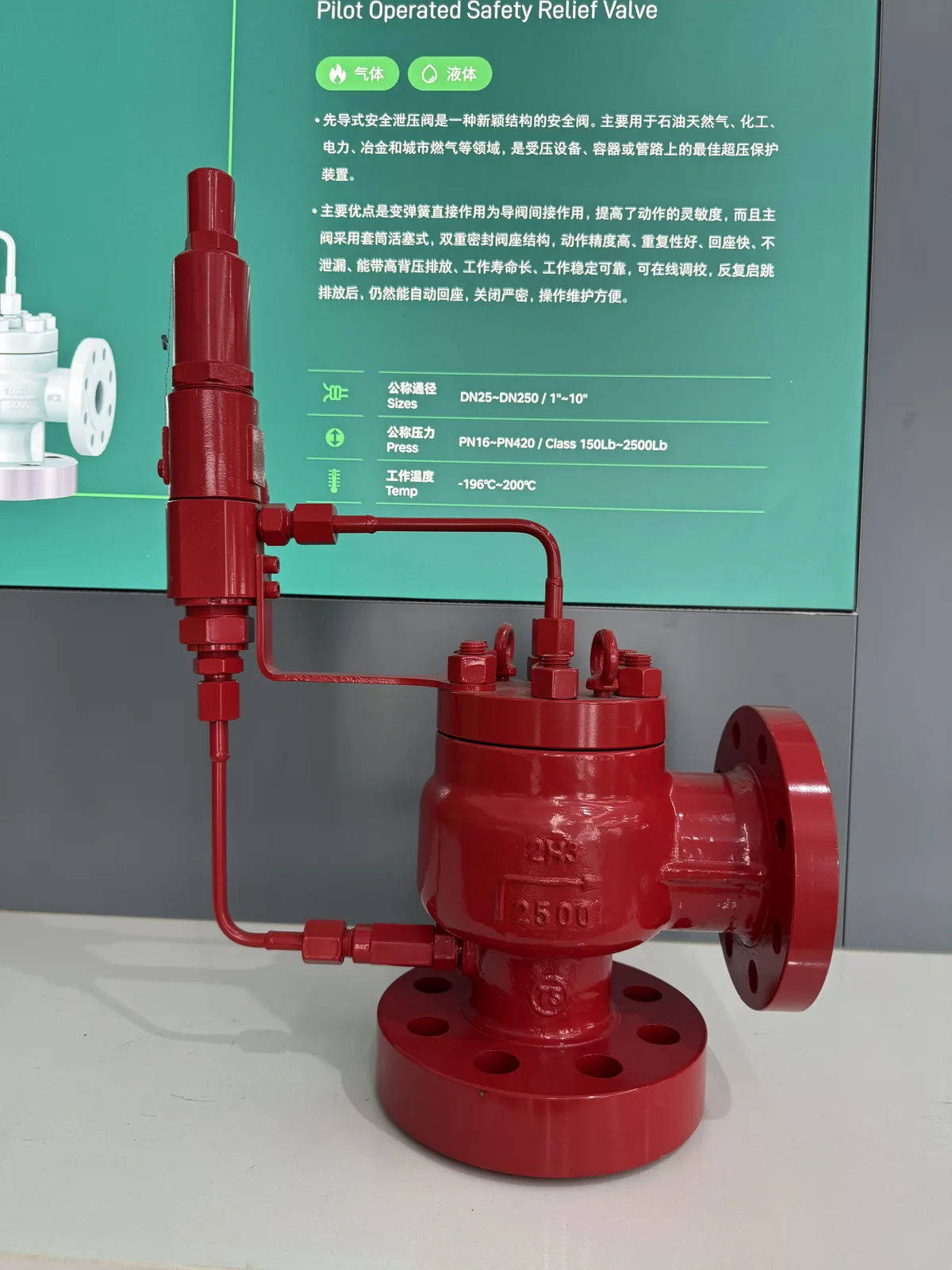
ZOBAI red pilot-operated safety relief valve on display
PROJECT REVIEW EVIDENCE

Real Production Evidence for Application Review

For LNG and LPG Safety Valves for PSV & PRV Systems | ZOBAI service, supplier review should connect valve construction to set pressure, medium, temperature, capacity, back pressure and the governing code. This actual ZOBAI photograph documents red pilot-operated safety relief valve on display. Review it with drawings, material records and pressure-test documents.

精选系列

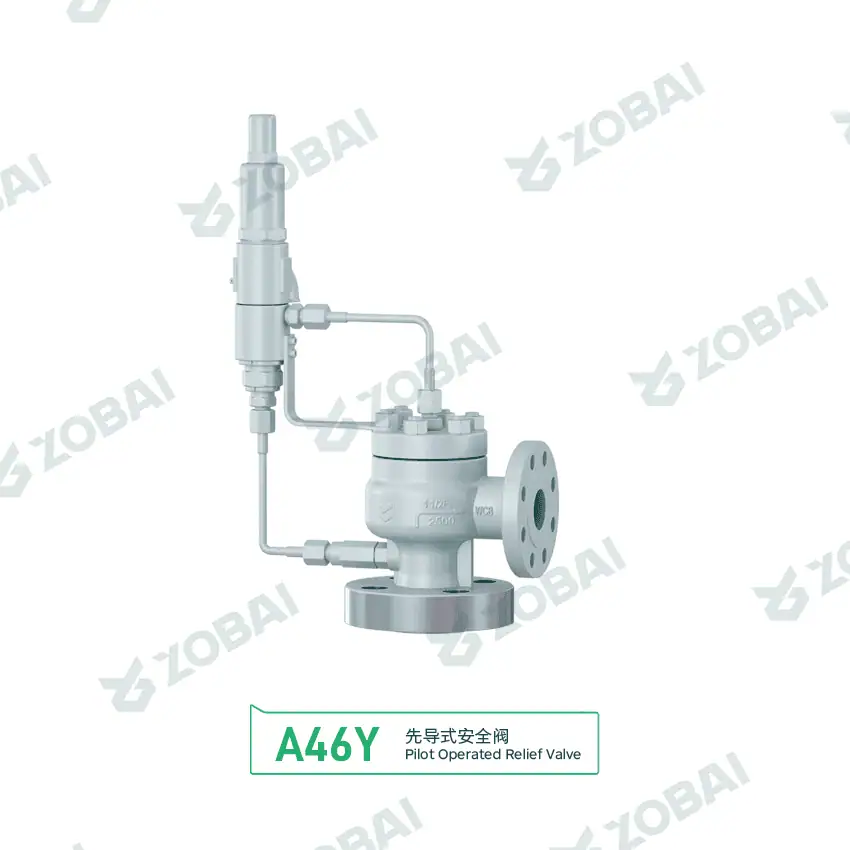
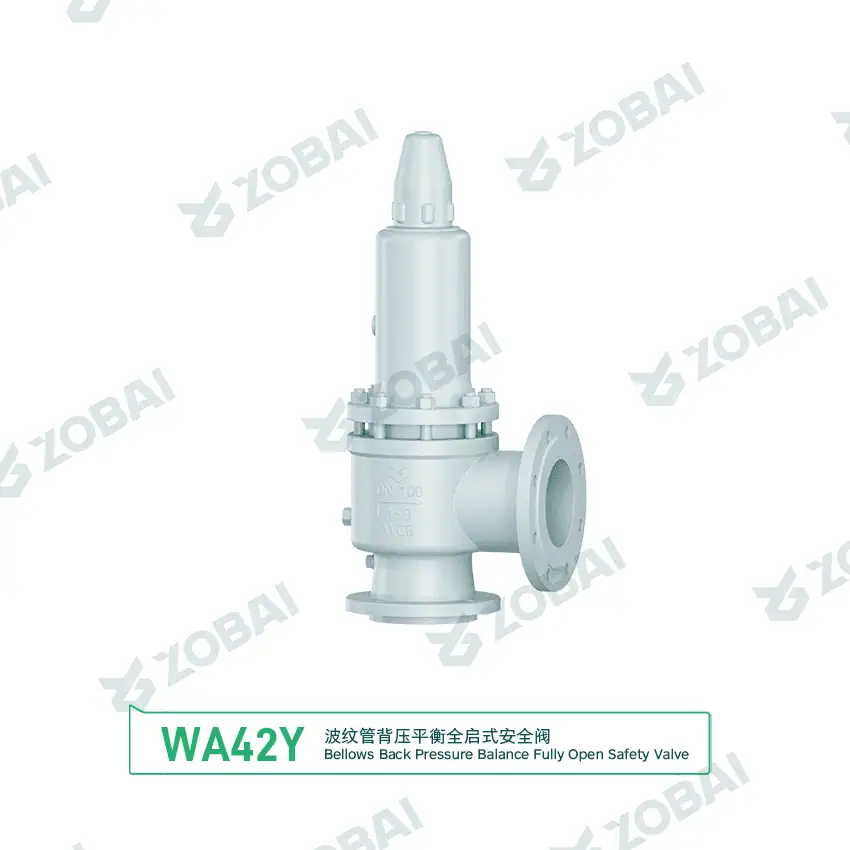
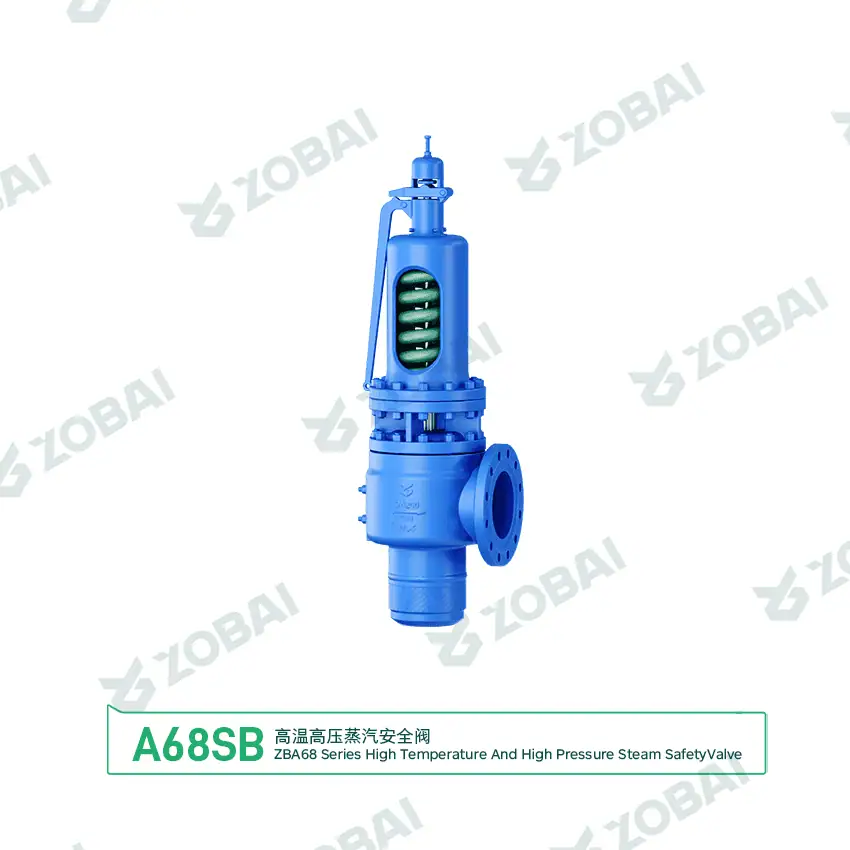
精选安全阀系列

探索ZOBAI精选安全阀系列,适用于高压工况、背压条件、蒸汽系统、卫生工艺管线及连续保护应用。这些精选型号有助于买家和工程师在不同工况条件下比较产品方向。.